Tue, 13 Oct 2026 13:36:26 +0000 Motor1.com Car News, Reviews, Owner Tips and Information | Motor1.com https://www.motor1.com/ https://www.motor1.com/features/811600/difference-between-regular-and-premium-gas/ Tue, 13 Oct 2026 11:00:00 +0000 Premium Gas Isn’t Always Better For Your Car. Here’s What It Actually Does Premium gas costs more, but does it deliver more power or better fuel economy? Here's what drivers need to know before filling up.
Premium gas costs more at the pump, but does it actually make your car run better? The answer comes down to octane, engine design, and what your vehicle really needs. Most gas stations usually offer several gasoline options, with premium fuel carrying a higher price than regular.
It's tempting to assume that spending more means better performance, improved fuel economy, or a cleaner engine. But the difference between regular and premium gasoline is not quite what many drivers think.
Some vehicles need higher-octane fuel to operate as intended, while others are designed to run perfectly well on regular. So, is premium gas worth the extra money, and what happens when you choose one grade over the other?
What's The Actual Difference Between Regular And Premium Gas?
The biggest difference is octane rating, which measures gasoline's resistance to engine knock. In the United States, regular gasoline typically has an octane rating of 87, while premium generally ranges from 91 to 94, depending on the region and fuel supplier.
Engine knock occurs when combustion produces abnormal pressure waves inside a cylinder. Higher-octane gasoline is more resistant to knock, making it useful for engines with higher compression ratios or turbochargers that operate under greater pressure. That's why many performance cars and some luxury vehicles require or recommend premium fuel.
However, higher octane doesn't automatically mean more energy, better fuel quality, or more horsepower. Premium gas is not simply a more powerful version of regular. Its primary advantage is its ability to resist knock under demanding operating conditions.
Detergent additives are a separate consideration. Both regular and premium gasoline can contain additives designed to help control engine deposits, depending on the fuel formulation and supplier.
Does Premium Gas Actually Give You More Horsepower?
It can, but only when the engine can take advantage of it. Engines designed for premium fuel may use higher compression ratios, turbocharging, or ignition timing strategies that benefit from additional knock resistance. Using the recommended octane can help these engines maintain their intended performance.
But filling a regular-gas car with premium doesn't automatically unlock extra horsepower. The American Automobile Association (AAA) tested vehicles designed to run on regular gasoline and found no significant improvements in horsepower, fuel economy, or emissions when premium fuel was used instead.
In separate testing, AAA found modest performance and fuel-economy improvements in some vehicles where premium was recommended but not required, particularly under demanding conditions such as hard acceleration and towing.
The takeaway is simple: if your engine is not designed to benefit from higher octane, paying extra is unlikely to make your car noticeably faster.
Can Premium Gas Improve Fuel Economy Or Keep Your Engine Cleaner?
Some engines can operate more efficiently on premium fuel, but the results depend on the vehicle and driving conditions. Even when fuel economy improves, the savings may not offset the higher price.
Premium gasoline also is not automatically better at cleaning your engine. Octane rating and detergent content are different characteristics, so a higher-octane fuel is not necessarily the better option for controlling deposits.
In the United States, drivers can look for gasoline that meets Top Tier standards, which specify detergent-additive requirements intended to help control engine deposits.
For vehicles designed to run on regular gasoline, choosing a reputable fuel with an appropriate detergent package is more sensible than paying extra solely for a higher octane rating.
What Happens If You Use The Wrong Gas?
Your owner's manual should tell you whether premium gasoline is required, recommended, or unnecessary. These distinctions matter.
Premium required: Use the specified octane rating. Regular fuel can increase the risk of engine knock under demanding conditions and may reduce performance as the engine management system adjusts ignition timing. Premium recommended: The engine may run on regular, but performance or efficiency could suffer in certain situations. Follow the manufacturer's guidance. Regular recommended: Premium generally offers little benefit, so the extra expense is difficult to justify.
Modern engine management systems can compensate for some differences in fuel quality, but that doesn't mean you should disregard the manufacturer's recommendation.
If you accidentally use a lower octane than specified, consult your owner's manual for guidance. If persistent knocking or unusual engine behavior occurs, have the vehicle checked by a qualified mechanic. Also, remember that octane ratings apply to gasoline, not diesel fuel. Always use the fuel type specified for your vehicle.
What Do Drivers Say About Premium Gas?
Reddit users frequently debate whether premium gasoline is worth the extra money. In this r/cars discussion, a Honda Civic Si owner asks whether premium makes a noticeable difference when regular is permitted. The responses highlight a common theme: any performance benefit depends on the engine, and the difference may be negligible in everyday driving.
Cost is another major concern. In this r/cars thread, drivers discuss whether the extra horsepower available with premium fuel justifies paying more at every fill-up. Meanwhile, Honda Civic owners debate whether premium makes their cars faster, with commenters emphasizing that higher octane is useful when an engine is designed or tuned to benefit from it.
Discussions in r/Acura also highlight the distinction between fuel that's required and fuel that's recommended. The main takeaway is to follow your owner's manual rather than assume premium is automatically better.
Is Premium Gas Worth The Extra Money?
If your car requires premium gasoline, the higher price is part of operating it as designed. If premium is recommended, the decision depends on potential performance benefits, driving conditions, and the price difference.
For vehicles designed to run on regular gasoline, however, premium is rarely a worthwhile upgrade. Before spending more at the pump, you should check your owner's manual and make sure that that the manufacturer's recommendation guides your choice. You should also weigh the cost against the benefit because paying more for very modest performance or efficiency gains may not be worthwhile.
Ultimately, regular and premium gasoline serve different needs. Premium is important for engines that require or benefit from higher octane, but it's not a universal performance upgrade.
For many drivers, regular gasoline is exactly what the manufacturer intended, and sticking with it can save money without sacrificing the performance their car was designed to deliver.
The Real Reason We Call The Back Of A Car A 'Trunk'
How Many Countries Does It Take To Build A Car?
Why Is It Called A Dashboard?
Your Car Suddenly Lost Power? It Could Be In Limp Mode
]]> feedback@motor1.com (Dan Mihalascu) https://www.motor1.com/features/811600/difference-between-regular-and-premium-gas/ https://www.motor1.com/features/811620/can-traffic-lights-change-based-on-traffic/ Tue, 13 Oct 2026 00:00:00 +0000 How Do Traffic Lights Know When Cars Are Waiting? Traffic lights aren't always on a timer. Some can detect cars, adapt to traffic, and change when the road gets busy.
Ever sat at a red light with no other cars in sight and wondered why it won't turn green? Or watched one direction get a long green light while traffic piles up on another street? There's a reason for that.
Traffic lights don't all operate on the same schedule. Some can even adjust their timing based on the vehicles approaching an intersection.
From simple sensors buried in the road to advanced computer systems that monitor entire traffic networks, modern traffic signals can respond to changing conditions. But how much control do they really have, and can a traffic light actually change because there's a long line of cars waiting?
Not All Traffic Lights Work The Same Way
Traditional traffic lights often operate on fixed schedules programmed by traffic engineers. These schedules typically account for predictable patterns, such as morning rush hour, midday traffic, and evening congestion.
Other intersections use vehicle-actuated signals, which can respond to traffic detected at the intersection. Instead of following a completely fixed cycle, these systems can extend a green light or call for a signal change when vehicles are waiting on another approach.
More advanced systems use adaptive traffic signal control, which monitors traffic conditions and adjusts signal timing as demand changes. According to the Federal Highway Administration, these systems use real-time traffic data to modify signal timing and improve traffic flow.
In other words, yes, traffic lights can change based on traffic, but only when the intersection is equipped with the technology and control system to do so.
How Do Traffic Lights Know When Cars Are Waiting?
Traffic signals can use several types of technology to detect vehicles. One common method involves inductive-loop detectors installed beneath the road surface, often near the stop line. These wire loops detect changes in their electromagnetic field when a vehicle passes over or stops above them.
Other intersections use radar, cameras, or similar sensors to identify vehicles and estimate traffic volumes. Some systems also monitor traffic farther upstream to predict how many vehicles will reach an intersection. Depending on the equipment, this information can help a signal controller decide whether a vehicle is waiting, how much traffic is approaching, or whether a green phase should be extended.
However, not every traffic light has a sensor in every lane. A signal may rely on a detector in one approach, a programmed schedule, or data shared by other intersections.
This explains why an empty intersection doesn't always trigger an immediate green light. The signal may be following a fixed schedule, waiting for a minimum green interval to finish, or coordinating with nearby signals to prevent traffic from backing up elsewhere.
Can Smart Traffic Lights Actually Reduce Traffic Jams?
Adaptive traffic signals are designed to make better use of available green time as traffic conditions change.
Imagine a junction where one road suddenly becomes much busier than usual. A fixed-time signal may continue giving that road the same green interval, even as the queue grows. An adaptive system can detect the increase in traffic and adjust signal timings to better accommodate demand.
Depending on the system, it may also coordinate neighboring intersections so vehicles can travel through several green lights rather than repeatedly stopping. Potential benefits include:
Shorter delays: Green time can be adjusted to better match traffic demand. Fewer stops: Coordinated signals can help vehicles move through successive intersections. Better responses to disruptions: Some systems can adapt to changing conditions caused by crashes, roadworks, or special events. More efficient traffic flow: Signal timings can be adjusted to balance competing queues instead of relying entirely on preset schedules.
The Federal Highway Administration explains how adaptive systems can respond to real-time traffic conditions in its adaptive signal control guidance.
There is a catch, though: changing one traffic light doesn't necessarily improve the entire road network. Giving one direction more green time can increase waiting times for cross traffic, pedestrians, or cyclists. The goal is to improve traffic flow overall, not simply keep one queue moving at everyone else's expense.
Why Don't Traffic Lights Always Turn Green For The Busiest Road?
Even at intersections with smart technology, traffic signals have to balance competing demands. A busy main road may receive more green time, but side streets still need opportunities to enter traffic safely. Pedestrians need enough time to cross, and turning vehicles may require dedicated signal phases.
Traffic engineers also use minimum and maximum green times, clearance intervals, and other safety rules. These constraints prevent signals from changing too quickly or ending a phase before vehicles have safely cleared the intersection.
Coordination matters, too. A signal may deliberately hold a red light because changing immediately would disrupt a sequence of green lights farther down the road. And some systems simply aren't adaptive. A traffic light operating on a fixed schedule won't necessarily respond to an unusually long queue, no matter how frustrating the wait becomes.
So while smart signals can react to traffic, they aren't free to make every movement green whenever a driver wants.
What Do Drivers Think About Traffic Lights That Adapt To Traffic?
On r/AskScience, users explain how traffic lights detect waiting vehicles, including through inductive-loop sensors embedded in the road. The discussion highlights why a signal may not change if a vehicle stops outside the detector's active area.
A discussion on r/nova describes how drivers can miss a green light because they stop too far from the stop line, preventing pavement sensors from detecting their vehicles. Meanwhile, users in r/urbanplanning discuss why adaptive traffic lights aren't installed everywhere, pointing to infrastructure costs and the long replacement cycles of existing systems.
As discussions in r/NoStupidQuestions explain, some signals rely on fixed timers, while others use sensors or cameras to respond to demand. The takeaway is that traffic-responsive signals already exist, but their capabilities vary by intersection.
Will AI Make Traffic Lights Smarter?
Artificial intelligence and more sophisticated traffic models could help cities improve how they manage intersections, particularly when traffic patterns change unpredictably.
Modern adaptive systems already collect sensor data, evaluate traffic conditions, and adjust signal timings. More advanced approaches can use predictions to anticipate traffic arriving from nearby roads rather than responding only after a queue forms.
Connected vehicles and roadside communication technology may eventually provide additional information about traffic flow, although the capabilities available today vary widely by location. Still, AI isn't a magic fix for congestion. Traffic signals cannot create extra road capacity where none exists, and poorly maintained sensors or badly configured timing plans can undermine even advanced systems.
For drivers, the practical takeaway is simple: some traffic lights really can adapt to traffic, but not every intersection is smart enough to do it.
Red Fire Trucks Have A Surprising History Most People Don’t Know
How Many Countries Does It Take To Build A Car?
Why Is It Called A Dashboard?
Your Car Suddenly Lost Power? It Could Be In Limp Mode
]]> feedback@motor1.com (Dan Mihalascu) https://www.motor1.com/features/811620/can-traffic-lights-change-based-on-traffic/ https://www.motor1.com/features/811547/what-a-cold-air-intake-does/ Mon, 12 Oct 2026 21:00:00 +0000 Cold-Air Intakes Promise More Power. But Do They Really? Cold-air intakes promise more horsepower and a louder engine sound, but how much performance do they really add?
Cold-air intakes are among the most popular aftermarket upgrades for car enthusiasts. But do they really add horsepower, improve throttle response, and make your engine perform better? The answer depends on the system, the vehicle, and how you install it.
The basic idea is straightforward: an engine needs air to make power, and a cold-air intake helps it breathe more efficiently by supplying cooler air through a less restrictive intake system. However, the real-world benefits are not always as dramatic as aftermarket advertisements might suggest.
How Does A Cold-Air Intake Work?
A cold-air intake is an aftermarket replacement for some or all of a vehicle's factory air intake system. Depending on the design, it may include a larger intake tube, a high-flow air filter, revised ducting, and a heat shield or enclosure.
Most modern vehicles already have an intake system engineered to balance airflow, filtration, noise, emissions, and reliability. A cold-air intake attempts to improve on that design, typically by reducing restrictions or positioning the filter where it can access cooler air.
Cooler air is denser than warmer air at the same pressure, meaning it contains more oxygen in a given volume. Since an engine needs oxygen to burn fuel, supplying cooler air can help it produce more power when the engine's design and operating conditions allow it.
However, not every aftermarket intake delivers a meaningful improvement. Some factory systems are already highly efficient, particularly on stock engines that do not require additional airflow.
Can A Cold-Air Intake Actually Add Horsepower?
This is the big question for anyone considering the upgrade. Yes, a cold-air intake can increase horsepower, but the gains depend heavily on the engine and the intake design.
On some naturally aspirated engines, the improvement may be small or difficult to notice during everyday driving. On other applications, particularly those with restrictive factory intake systems or engines modified to move more air, a well-designed intake can deliver more noticeable results.
Turbocharged engines can also benefit from improved intake flow, although the outcome depends on the turbocharger, factory restrictions, engine calibration, and the rest of the setup.
Manufacturer horsepower claims should be treated with caution. Some advertised figures come from specific test conditions or vehicles equipped with additional modifications, including ECU tuning. Independent dyno testing can provide a clearer picture of what an intake actually delivers.
A cold-air intake is unlikely to transform a stock car's performance on its own. Think of it as a supporting modification that may help an engine breathe better when the factory setup is a limiting factor.
What Other Benefits Can You Expect?
Horsepower is only part of the story. Many drivers install a cold-air intake because they want a more engaging driving experience. Here are the main benefits to consider:
Improved engine sound: Removing or changing factory intake resonators can produce a deeper growl under acceleration. Turbocharged cars may also have more noticeable turbo sounds. Potentially sharper throttle response: Some systems can improve airflow characteristics, although the difference varies by vehicle and is not always noticeable. Possible efficiency improvements: Better airflow can influence engine operation, but a cold-air intake is not a reliable way to reduce fuel consumption. Driving habits and engine management play a major role. Support for other modifications: An intake can be useful on an engine with upgraded turbocharging, exhaust components, or tuning, provided the system is appropriately matched to the setup.
There is an important distinction between a car sounding faster and actually being faster. A louder intake can make acceleration feel more exciting even when measured horsepower has barely changed. For many owners, the sound is the most immediate and noticeable benefit.
Can A Cold-Air Intake Cause Problems?
Despite the name, not every aftermarket intake delivers colder air. A poorly designed system may draw hot air from the engine bay rather than cooler air from outside, potentially reducing performance.
Hotter intake air is less dense at the same pressure. Modern engine management systems can also adjust ignition timing and other parameters to protect the engine under certain conditions, limiting the benefits of an intake that raises air temperatures.
There are several other factors worth considering before making the switch. Filter placement is important because intakes mounted low in the engine bay can be more vulnerable to water ingestion when driving through deep standing water. In severe cases, water entering the cylinders can cause catastrophic engine damage.
Air filtration matters, too. A high-flow filter still needs to keep dust and debris out of the engine. Poor filtration, incorrect installation, or inadequate maintenance can outweigh any potential performance gains.
Compatibility is another concern. Some vehicles can run an aftermarket intake with the factory engine calibration, while others may require a specific tune. Changes to intake tube dimensions or airflow around a mass airflow sensor can cause drivability problems or trigger warning lights.
Before buying a kit, check its compatibility with your vehicle, whether additional tuning is required, and whether the modification complies with local emissions and road-use regulations.
What Do Car Enthusiasts Think About Cold-Air Intakes?
Cold-air intakes remain a divisive topic among car enthusiasts. In this r/AskMechanics discussion, drivers debate horsepower claims, fuel economy, installation costs, and whether the improved engine sound alone justifies the upgrade. The consensus is that results depend on the vehicle and intake design.
Owners in r/ft86 are similarly skeptical about performance gains. In this discussion about whether a cold-air intake is worth it, commenters argue that many factory systems already provide sufficient airflow, meaning aftermarket replacements may add more induction noise than horsepower. A separate thread about intake suggestions echoes that sentiment, with owners highlighting sound as a major reason to upgrade.
The main takeaway from these discussions is that a cold-air intake can be worthwhile, but expectations matter. Enthusiasts who want a louder engine may be satisfied, while those chasing measurable power should look for vehicle-specific dyno results.
Is It Worth The Money?
For the right owner, a cold-air intake can be a worthwhile upgrade. If you want a more aggressive engine sound, enjoy modifying your car, or are building a larger performance package, a well-engineered intake may make sense.
However, drivers expecting a dramatic horsepower increase from a single bolt-on modification should keep their expectations realistic. Before spending the money, consider what matters most to you. If you primarily want more sound, an intake may deliver exactly what you are looking for. If your priority is measurable performance, look for independent dyno results for your specific vehicle rather than relying exclusively on manufacturer claims.
The cost of the system also matters. A replacement filter, a complete intake kit, and a setup that requires ECU tuning represent very different investments. The most expensive option is not necessarily the most effective.
Ultimately, a cold-air intake is neither a magic horsepower upgrade nor a pointless modification. It is designed to help an engine breathe more efficiently, potentially improving power and throttle response while changing its sound. Whether those benefits justify the cost depends on the vehicle, the quality of the system, and what you want from your car.
Why Is It Called A Dashboard?
How Many Countries Does It Take To Build A Car?
Your Car Suddenly Lost Power? It Could Be In Limp Mode
The Real Reason We Call The Back Of A Car A 'Trunk'
]]> feedback@motor1.com (Dan Mihalascu) https://www.motor1.com/features/811547/what-a-cold-air-intake-does/ https://www.motor1.com/features/811295/why-are-fire-trucks-red/ Mon, 12 Oct 2026 12:00:00 +0000 Red Fire Trucks Have A Surprising History Most People Don’t Know Fire trucks are famous for their red paint, but the reason behind the tradition is more surprising than you might think.
A bright red fire truck racing through traffic is a familiar sight in many parts of the world. The color is so closely associated with firefighting that it's easy to assume red was chosen because it makes emergency vehicles easier to see. But the real story is more complicated, and the explanation is not quite as clear-cut as you might expect.
There are several theories about how fire engines became red, including competition between early volunteer fire brigades and the desire to stand out from ordinary traffic. Today, some departments have switched to yellow or fluorescent lime-green vehicles because research suggests these colors can be more visible in certain conditions.
So why has red remained the traditional choice for so many fire departments?
It Started With Rivalry Between Fire Brigades
One of the most widely repeated explanations dates back to the 1800s, when many fire departments were staffed by volunteer brigades. These groups took enormous pride in their equipment, and their hand-pumped fire engines were often treated as symbols of the brigade's reputation.
According to the Denver Firefighters Museum and several municipal fire departments, one theory is that brigades wanted their equipment to stand out from the competition. Red was considered a prestigious, attention-grabbing color, and painting a fire engine red helped make it distinctive. Some accounts suggest that red paint was expensive, making it an especially desirable choice for crews eager to display their status.
There is no universally accepted historical explanation that proves this was the single reason fire trucks became red. However, the rivalry theory helps explain how the color may have become established before modern emergency vehicle standards existed.
Did The Ford Model T Make Red Fire Trucks Famous?
Another popular theory connects the tradition to the early automobile industry. In the early 20th century, Ford's Model T became famous for its predominantly black finish during its mass-production years. One explanation suggests that fire departments chose red so their vehicles would stand out against the growing number of black cars on the road.
It's an appealing story, but it shouldn't be treated as settled history. Red fire apparatus existed before the Model T became dominant, so Ford's manufacturing choices cannot fully explain the origins of the tradition.
What is more certain is that red became a recognizable visual signal. Over time, generations of drivers grew accustomed to associating the color with emergency response. Once that association became widespread, switching to a different color meant changing a familiar symbol as well as repainting a fleet.
Is Red Actually The Safest Color For A Fire Truck?
Here's the surprising part: red is not necessarily the easiest color to spot in every driving condition.
Research into emergency vehicle visibility has found that fluorescent yellow-green and orange can be more conspicuous during daylight, while greenish-yellow shades can be easier to detect under some low-light conditions. The American Psychological Association explains that the human visual system is particularly sensitive to greenish-yellow colors in dim conditions.
A 1995 study published in the Journal of Safety Research examined fire apparatus accident records and found that lime-yellow-and-white pumpers had a lower probability of visibility-related accidents than red or red-and-white vehicles in the setting studied. The findings support the case for considering color as one part of emergency vehicle safety, although they do not mean every yellow truck will always be safer than every red one.
The US Fire Administration has also examined emergency vehicle visibility, emphasizing the importance of conspicuity, contrasting markings, and helping drivers recognize emergency vehicles quickly.
Why Some Fire Trucks Are Yellow, Green, Or White
Red remains traditional, but fire departments around the world use a variety of vehicle colors. Some American departments have experimented with lime-yellow or yellow-and-white finishes, while others use white bodies, contrasting panels, or reflective markings.
The reasons vary, but departments may consider several factors when choosing a color scheme:
Visibility: Fluorescent yellow-green can be easier to spot in certain daylight and low-light conditions. Local tradition: Some departments retain red because it is closely associated with their identity and history. Road safety: Reflective striping and contrasting patterns can help other drivers recognize a fire truck, particularly at night. Fleet consistency: Departments may choose colors that match their existing vehicles, local standards, or wider emergency-service markings.
The history of these experiments shows that safety and tradition can sometimes pull in different directions. A vehicle needs to be visible, but drivers also need to recognize it quickly as an emergency vehicle. Fluorescent finishes, reflective striping, contrasting patterns, and warning lights can all help achieve that goal.
What Do People Say Online About Red Fire Trucks?
Reddit users have debated whether fire trucks should remain red or switch to brighter colors. In a January 2026 discussion on r/Firefighting, commenters discussed why yellow fire engines were once common in parts of Canada but later gave way to red. Some favored yellow for its visibility, while others argued that tradition explains why red remains popular.
Visibility is one of the biggest talking points. In a discussion about yellow fire trucks on r/mildlyinteresting, users shared experiences with yellow vehicles and debated whether they stand out better than red ones. The conversation reflects the wider question of whether a traditional color is necessarily the safest choice in different lighting and weather conditions.
Not everyone agrees that fire trucks need a standardized color. In a thread on r/Firefighting about the lack of a standard color in the United States, commenters pointed to local control, department preferences, and differing views on visibility. These discussions suggest that fire truck colors are shaped by a mix of history, practical considerations, and local identity—not simply one universal safety rule.
Why Red Has Stuck Around
If other colors can offer visibility advantages in certain circumstances, why haven't fire departments abandoned red altogether?
Tradition is a major factor. Red has become part of the public image of firefighting, appearing on everything from fire engines and rescue vehicles to department logos and memorabilia. Changing a fleet's color scheme can also be expensive, particularly when vehicles are replaced gradually over many years.
Modern safety equipment makes a difference, too. High-intensity warning lights, reflective markings, and contrasting rear chevrons help emergency vehicles stand out, regardless of their main paint color. These features don't eliminate every visibility risk, but they can improve how easily other road users identify a fire truck.
Ultimately, red survives because it combines a long-established tradition with instant public recognition. The color may not be the best choice in every visibility test, but it remains an unmistakable symbol of emergency response. So the next time a red engine passes you, remember that its color reflects more than paint: it represents generations of firefighting history.
Here's Why Your Car Has An Internet Connection
What Actually Makes An SUV An SUV?
Why Hybrids Get Better MPG In The City
What Is Ceramic Coating, And Is It Worth It?
]]> feedback@motor1.com (Dan Mihalascu) https://www.motor1.com/features/811295/why-are-fire-trucks-red/ https://www.motor1.com/features/811151/why-is-it-called-a-dashboard/ Sun, 11 Oct 2026 19:00:00 +0000 Why Is It Called A Dashboard? You use it every time you drive, but the reason cars have a “dashboard” has nothing to do with gauges, screens, or speed.
The dashboard is one of the first things you notice when you get behind the wheel. Modern cars have transformed it into a high-tech command center filled with screens, cameras, digital gauges, and touch-sensitive controls. Older cars had little more than a few analog instruments and switches.
But despite all that technological evolution, we still call it a dashboard. The name sounds obvious until you stop to think about it. Cars don't have anything that needs to be “dashed,” and today's dashboards have little in common with the simple panels found in early vehicles. The explanation goes back much further than the automobile—to the days when horses were doing the pulling.
The Dashboard Predates The Automobile
The word “dashboard” was already being used for horse-drawn vehicles before cars became commonplace.
Traveling by horse was a messy business, particularly when roads were made from dirt, mud, and gravel. A horse's hooves could kick up all sorts of debris as it moved along. Mud, water, stones, and even manure could end up flying toward the people sitting behind the horse.
Carriage builders came up with a simple solution: a broad panel positioned at the front of the carriage. Its job was to stop or deflect whatever the horse's hooves sent backward toward the occupants.
That panel became known as the dashboard because it “dashed” road debris away. The “board” part was simply a reference to the board or panel itself. So the original dashboard wasn't an instrument panel at all. It was essentially a mud shield.
Cars Borrowed More Than Just The Name
When automobiles arrived in the late 19th and early 20th centuries, manufacturers didn't start from scratch. Early cars borrowed plenty of ideas—and terminology—from horse-drawn transportation. That included the concept of a protective panel at the front of the passenger compartment.
As automobiles became faster and more sophisticated, the panel took on additional jobs. It became a convenient location for the instruments a driver needed to monitor the vehicle. The evolution can be simplified like this:
Horse-drawn carriage: The dashboard protected occupants from mud and debris. Early automobile: The panel remained while cars gained their own mechanical controls. Mid-century car: Gauges, radios, switches, and other equipment increasingly filled the dashboard. Modern car: Digital displays, touchscreens, navigation, climate controls, and driver-assistance systems dominate the space.
The name survived every stage of that transformation.
When The Dashboard Became An Instrument Panel
As cars became more reliable and capable, drivers needed more information.
A simple speedometer eventually gave way to a collection of gauges showing things such as fuel level, engine temperature, oil pressure, and electrical-system status. Warning lights appeared, followed by radios and increasingly sophisticated controls.
The dashboard became less about protecting occupants and more about communicating with the driver. That basic role remains today.
Whether a vehicle has traditional analog gauges or a full-width digital display, the dashboard provides information about the car and gives the driver access to important controls. In many modern vehicles, it has effectively become a computer interface on wheels.
Why Do We Still Call It A Dashboard?
At this point, “dashboard” is simply an established piece of automotive vocabulary.
Language often works this way. Words can survive long after their original meanings or purposes have changed. A “dashboard” is a good example because its name reflects something drivers haven't needed it to do for more than a century.
The term is also useful because it broadly describes the panel across the front of the cabin, while more specific terms such as instrument cluster refer to the gauges and displays directly in front of the driver.
And despite today's increasingly screen-heavy interiors, automakers haven't shown much interest in replacing the familiar word.
What Do Drivers Think About The Name?
The dashboard’s unlikely origin has also sparked plenty of discussion on Reddit. In a popular r/etymology thread, commenters were fascinated by the leap from a board designed to block mud and debris kicked up by horses to the sophisticated control center in a modern car.
The explanation has also proved popular in Reddit’s r/todayilearned, where separate threads have attracted thousands of upvotes. One particularly popular TIL thread focused on the horse-drawn-carriage origins of the word, while a later r/todayilearned discussion generated jokes about the name and observations about other automotive terms inherited from the horse-and-carriage era.
Interestingly, “dashboard” sounds completely natural today, even though its original purpose had nothing to do with gauges or electronics. It is a linguistic leftover from a time when the biggest threat to a driver wasn't a warning light; it was whatever a horse happened to kick up from the road.
The Name Is A Piece Of Automotive History
The next time you climb into a car and look at its dashboard, you're looking at a piece of transportation history. What began as a relatively simple barrier protecting carriage passengers from whatever a horse could kick up eventually became the nerve center of the automobile.
The technology has changed dramatically. Wood and simple mechanical instruments gave way to plastic, electronics, LCD screens, OLED displays, and sophisticated software. But the old name remained. So why is it called a dashboard?
Because the first dashboards were literally boards designed to dash away dirt and debris. It's a small reminder that modern cars still carry traces of the horse-drawn vehicles that came before them—even if today's dashboard is far more likely to display Apple CarPlay than a layer of dried mud.
Here's Why Your Car Has An Internet Connection
Why Hybrids Get Better MPG In The City
Your EV Says 0%. Now What Do You Do?
What Actually Happens If You Put Diesel In A Gas Car?
]]> feedback@motor1.com (Dan Mihalascu) https://www.motor1.com/features/811151/why-is-it-called-a-dashboard/ https://www.motor1.com/features/811287/how-many-countries-it-takes-to-build-a-car/ Sun, 11 Oct 2026 16:00:00 +0000 How Many Countries Does It Take To Build A Car? From batteries made in China to parts sourced across Europe, discover how many countries contribute to building a modern car today.
A car might be designed in Germany, assembled in Romania, fitted with electronics from Japan, and powered by a battery made in China. Its steel, aluminum, wiring, tires, and other components could come from several more countries before the finished vehicle reaches a dealership. What looks like a product from one automaker and one country is often the result of a global manufacturing operation involving thousands of suppliers.
So, how many countries does it actually take to build a car? There is no definitive answer, because it depends on the vehicle, its technology, and how far back you trace its supply chain.
But the scale is surprising. Modern automakers rely on international networks for everything from basic materials to sophisticated electronic systems, making the humble family car one of the clearest examples of how interconnected the global economy has become.
A Car's Country Of Origin Doesn't Tell The Whole Story
When people talk about a German car, a Japanese car, or an American car, they're usually referring to the manufacturer's identity or the vehicle's assembly location. Neither necessarily tells the whole story about where the car's components originate.
A vehicle assembled in Germany, for example, could use transmissions manufactured elsewhere in Europe, electronic components from Asia, and raw materials sourced from several continents. The same applies to cars built in the United States, Japan, South Korea, and China.
Automotive manufacturing is organized around international supplier networks, with specialized companies producing individual components for multiple brands. According to Stellantis, its global supply chain spans more than 60 countries, illustrating just how geographically extensive a major automaker's operations can be.
That doesn't mean every vehicle made by Stellantis contains parts from all those countries. It means the company operates within a supply network that extends far beyond any single national border.
Thousands Of Parts, Dozens Of Potential Countries
A modern car contains thousands of individual parts, from relatively simple fasteners and trim pieces to complex powertrains and electronic control systems. Each component may have its own supply chain, with materials processed in one country, parts manufactured in another, and final assembly taking place somewhere else.
The process can involve several layers of suppliers. An automaker may purchase a complete braking system from one company, for example, while that supplier obtains sensors, electronic components, metals, and other materials from its own network of businesses.
Some of the countries involved may be close to the final assembly plant, while others could be on the other side of the world. Manufacturers often source components regionally to reduce transport costs and simplify logistics, but specialized technologies and materials can require international sourcing.
The result is that there is no reliable universal number for how many countries contribute to a single car. The answer also changes depending on whether you count only direct suppliers or trace every component back to its raw materials.
Electric Cars Make The Supply Chain Even More Global
Electric vehicles add another layer of complexity because their batteries require specialized materials and manufacturing processes. Lithium, nickel, cobalt, graphite, and other materials can pass through multiple countries before becoming part of a finished battery pack.
China plays a particularly important role in this supply chain. According to the International Energy Agency's Global EV Outlook 2026, China accounted for around 70% of global electric-car production in 2025 and more than 80% of battery-cell production. It also dominated production of key battery materials.
Other countries contribute different parts of the process. Australia and Chile are important sources of lithium, Indonesia is a major nickel producer, and the Democratic Republic of Congo is a leading source of mined cobalt. Processing and battery-component manufacturing may then take place in different locations before the materials reach an automaker.
This means an electric car assembled in Europe or North America can still depend heavily on materials and components produced elsewhere. The same global interdependence applies to conventional vehicles, although the specific supply chains differ.
What Parts Of A Car Come From Different Countries?
There is no standard international recipe for building a car, but several major components illustrate how manufacturing can cross borders.
Steel and aluminum: Metals can be mined, refined, and processed in different countries before being shipped to factories that stamp body panels or produce structural components. Batteries: Electric-car batteries depend on internationally sourced minerals, processed materials, battery cells, and electronic control systems. Semiconductors: Chips used in engine management, infotainment, driver-assistance systems, and other electronics pass through a specialized global manufacturing chain. Tires and rubber: Natural rubber, synthetic rubber, steel reinforcement, and chemical ingredients may originate from different suppliers and locations. Engines and transmissions: These may be manufactured at dedicated plants and shipped to vehicle assembly facilities elsewhere. Wiring and electronics: Harnesses, sensors, control modules, and other electrical components can come from supplier hubs across Europe, Asia, and North America.
Not every car uses components from all these regions, and a part's manufacturing location may differ from the origin of its materials. Nevertheless, these examples show why identifying a vehicle's country of assembly is not the same as identifying the origin of everything inside it.
What Do Drivers Say About Where Cars Are Made?
Reddit discussions show that a car's country of origin can be more complicated than its badge suggests. In a thread on r/cars about the 2022 Cars.com American-Made Index, users pointed out that vehicles assembled in the United States can still rely on engines, transmissions, and other components manufactured overseas. The discussion highlights why a car's assembly location doesn't necessarily tell the full story about its origins.
The complexity becomes even clearer when looking beyond individual parts. In an r/europe discussion mapping European car factories, users shared examples of manufacturing facilities across the continent and noted that some countries specialize in components rather than complete vehicles. This illustrates how a car can involve multiple countries even before its parts reach the final assembly line.
Supply-chain disruptions are another concern. In a recent discussion on r/cars about GM securing car parts, users discussed why manufacturers might stockpile certain materials and components rather than rely entirely on just-in-time deliveries. The conversation reflects a wider industry challenge: when production depends on international suppliers, a disruption in one location can affect factories and vehicle deliveries elsewhere.
Why Does It Matter Where A Car Is Built?
A global supply chain can help automakers access specialist expertise, secure competitive prices, and manufacture vehicles at enormous scale. But it also creates vulnerabilities when a key supplier or manufacturing region encounters problems.
A shortage of semiconductors, a disruption to shipping, or restrictions on the export of critical materials can affect factories far beyond the country where the original problem occurs. Automakers may have to delay production, change suppliers, or redesign components if a particular part becomes difficult to obtain.
These risks are especially relevant as the industry shifts toward electric vehicles. The IEA has highlighted the concentration of battery manufacturing and processing as an important challenge for diversifying supply chains. Expanding production in more countries can improve resilience, but developing new factories and supplier networks takes time.
For buyers, a vehicle's assembly location can still matter when researching build quality, warranty coverage, or local manufacturing. However, a national badge alone doesn't tell you the full story about the materials, technology, and labor behind a car.
The bottom line is it can take dozens of countries to contribute to a modern car's wider supply chain, although the exact number varies by model and by how its origins are counted. The vehicle may be assembled in one place, but its journey from raw materials to finished product is often a truly international effort.
What Actually Makes An SUV An SUV?
What Is Ceramic Coating, And Is It Worth It?
Here's Why Your Car Has An Internet Connection
Why Hybrids Get Better MPG In The City
]]> feedback@motor1.com (Dan Mihalascu) https://www.motor1.com/features/811287/how-many-countries-it-takes-to-build-a-car/ https://www.motor1.com/features/811331/why-do-cars-go-into-limp-mode/ Sun, 11 Oct 2026 12:00:00 +0000 Your Car Suddenly Lost Power? It Could Be In Limp Mode Your car suddenly slows to a crawl? Limp mode is your car’s warning that something is wrong. Here's why you should not ignore it.
Imagine driving down the highway when your car suddenly loses power, struggles to accelerate, or refuses to shift gears. A warning light appears on the dashboard, and pressing the gas pedal does little to help. Before assuming the engine or transmission is about to fail, there’s another possibility: your vehicle has entered limp mode.
Limp mode is a protective feature found in many modern cars, designed to limit performance when the onboard computer detects a potentially serious problem.
But why does limp mode activate, and does it always mean an expensive repair is coming? The answer depends on what triggered it.
What Is Limp Mode, And Why Do Cars Have It?
Limp mode, also known as limp-home mode or reduced-power mode, is a protective operating strategy that limits a vehicle's performance when its electronic control systems detect certain faults. Modern cars use sensors and control modules to monitor engine temperature, fuel pressure, airflow, turbocharger boost, throttle position, and transmission operation.
When the system detects an abnormal reading or a fault that could compromise safe operation, it may restrict engine power, limit revolutions per minute (RPM), or prevent the transmission from shifting normally.
The goal is to reduce the risk of further damage while allowing the driver, when conditions permit, to move the vehicle to a safe location. Some cars can still travel at reduced speed, while others may become difficult or unsafe to drive.
Importantly, limp mode is not a diagnosis. It tells you that the car's control system has detected a problem, but identifying the underlying cause requires further investigation.
The Most Common Reasons Cars Go Into Limp Mode
Several problems can trigger limp mode, and the symptoms often overlap. Common causes include:
Faulty engine sensors: A malfunctioning mass airflow sensor, throttle-position sensor, or accelerator-pedal sensor can send incorrect information to the engine control module. Transmission problems: Low fluid levels, overheating, faulty speed sensors, or internal transmission faults may cause the gearbox to restrict gear selection or enter a protective mode. Engine overheating: Cooling-system leaks, a failing water pump, a faulty thermostat, or a malfunctioning radiator fan can cause temperatures to rise beyond safe limits. Turbocharger issues: Boost leaks, faulty pressure sensors, or problems with turbocharger controls can prevent the engine from producing the expected power. Fuel-delivery faults: A failing fuel pump, restricted filter, or fuel-pressure problem can interfere with engine performance. Electronic throttle faults: Problems with the throttle body, wiring, or accelerator-pedal signals may cause the car to limit acceleration. Emissions-system problems: On some vehicles, diesel particulate filter (DPF) restrictions, exhaust gas recirculation (EGR) faults, or related sensor failures can trigger reduced-power operation.
The severity varies considerably. A faulty electrical connection may be relatively straightforward to repair, while serious overheating or internal transmission damage can require much more extensive work. That's why it's important not to assume the worst—or ignore the warning—before the vehicle has been diagnosed.
Understanding what limp mode does, recognizing its warning signs, and knowing when to stop driving can help you protect your car and avoid turning a minor fault into a costly repair.
What Are the Warning Signs of Limp Mode?
Limp mode doesn't look or feel the same in every car. Some vehicles display a specific reduced-power warning, while others simply limit performance or illuminate the check-engine light. One of the most noticeable symptoms is a sudden loss of power, with the engine struggling to accelerate or rev beyond a certain RPM even when you press the gas pedal.
Transmission behavior can change, too. Automatic cars may become stuck in one gear, shift harshly, or refuse to select certain gears. Depending on the vehicle, you might also see a transmission warning light or a dashboard message indicating reduced engine performance. In some cases, the car may run normally for a short time before the symptoms return.
However, these warning signs don't automatically confirm that limp mode is active. A misfiring engine, failing fuel pump, or mechanical transmission problem can cause similar symptoms. Checking the dashboard warnings and reading the vehicle's diagnostic trouble codes with a compatible scanner are important first steps toward identifying the actual cause.
Can You Keep Driving, And How Do You Get Out Of Limp Mode?
Whether you can continue driving depends on the underlying fault and the warnings displayed. Limp mode may allow you to move a short distance to a safe place, but it does not guarantee that the vehicle is safe to operate.
If the engine is overheating, the oil-pressure warning is illuminated, the vehicle is shaking severely, or you notice smoke, a burning smell, or a major fluid leak, stop as soon as it is safe and arrange assistance. Continuing to drive under these conditions could cause serious damage or create a safety hazard.
If there are no critical warnings and the vehicle remains controllable, move to a safe location and consult the owner's manual. A mechanic can then retrieve diagnostic codes, inspect the relevant systems, and determine what needs to be repaired.
Restarting the engine sometimes temporarily clears the symptoms, but it doesn't necessarily fix the underlying fault. Disconnecting the battery or repeatedly clearing diagnostic codes is not a dependable solution, either. If the original problem remains, limp mode may return.
The correct repair could involve replacing a faulty sensor, repairing damaged wiring, fixing a boost leak, addressing a cooling-system problem, or servicing the transmission. The diagnostic results—not limp mode alone—determine the appropriate fix and likely cost.
What Drivers Say About Limp Mode
Reddit discussions reveal a common frustration among drivers whose cars enter limp mode: identifying the cause isn't always straightforward. In an r/MechanicAdvice thread about an Infiniti G37, the owner described jerking and restricted acceleration above 2,500 RPM, with symptoms returning after the fault codes were cleared. This is why resetting a warning is not the same as fixing the underlying problem.
Other drivers report intermittent faults that disappear after restarting the car. In a thread about a 2021 Seat Leon FR, the owner described fluctuating engine speed and a temporary return to normal after restarting. Meanwhile, a driver with a 2011 Kia Forte questioned whether an RPM limit meant limp mode, prompting advice to scan for diagnostic trouble codes and examine live data.
The main takeaway from these discussions is that similar symptoms can have different causes, from sensor or wiring faults to more serious mechanical problems. A proper inspection and diagnostic scan remain the best way to identify the fault before replacing parts or continuing to drive.
How Can You Prevent Limp Mode?
Not every limp-mode event can be prevented. Electronic components can fail without warning, and some mechanical problems develop unexpectedly. Nevertheless, regular maintenance can reduce the likelihood of faults that trigger protective operating modes.
Follow the manufacturer's recommended service intervals, use the correct engine oil and fluids, and keep the cooling system in good condition. Address persistent warning lights, unusual gear changes, unexplained power loss, and recurring engine-temperature problems rather than waiting for them to become worse.
Diesel owners should also follow the manufacturer's guidance for DPF operation and maintenance, particularly if the car is frequently used for short journeys that may interfere with normal regeneration.
Ultimately, limp mode is your car's way of warning you that something needs attention. If your vehicle suddenly loses power, prioritize safety, pay attention to dashboard warnings, and have the fault diagnosed promptly. Finding the cause is the best way to protect your car, avoid unnecessary repairs, and get back on the road with confidence.
What Is Ceramic Coating, And Is It Worth It?
Here's Why Your Car Has An Internet Connection
What Actually Makes An SUV An SUV?
Why Hybrids Get Better MPG In The City
]]> feedback@motor1.com (Dan Mihalascu) https://www.motor1.com/features/811331/why-do-cars-go-into-limp-mode/ https://www.motor1.com/features/811045/why-is-it-called-a-trunk/ Sat, 10 Oct 2026 16:00:00 +0000 The Real Reason We Call The Back Of A Car A 'Trunk' Ever wondered why we call it a trunk? The answer dates back to horse-drawn carriages, travel chests, and the earliest automobiles.
Ever stopped to think about why Americans call the rear storage compartment of a car a "trunk?" It’s one of those automotive terms we use so often that its oddness disappears. Cars don’t have branches, bark, or roots, and there’s certainly no giant tree growing underneath the rear deck.
So where did the name "trunk" come from? The answer actually predates the automobile by centuries.
The word "trunk" was already associated with luggage long before cars became a part of everyday life. When early automobiles began carrying luggage in much the same way as horse-drawn carriages, the old terminology came along for the ride. That simple bit of linguistic history explains why a modern sedan can still have a “trunk” despite having little in common with the travel chests that inspired the name.
The Original Trunk Was Actually Luggage
The word “trunk” originally referred to a large, sturdy chest used to store and transport belongings. Travelers used trunks for clothing and other possessions, particularly on long journeys when luggage needed to be packed securely.
When the first automobiles appeared, they didn't have the integrated cargo compartments we're familiar with today. Early cars borrowed heavily from horse-drawn carriages, both in their basic layouts and in the way they carried passengers and belongings.
Large luggage trunks were commonly secured to racks at the rear of vehicles. They were practical, recognizable pieces of travel equipment, and eventually the name became associated with the storage space itself.
As car bodies evolved, manufacturers began incorporating enclosed luggage compartments into the vehicle. The physical trunk could disappear, but its name remained.
Cars Borrowed More Than Just The Word
The automobile didn't develop in isolation. Many features and terms we now consider distinctly automotive have roots in the world of horse-drawn transportation.
Early cars were essentially mechanical descendants of carriages, so it made sense for manufacturers and motorists to continue using familiar language. People already understood where luggage went on a carriage, and the emerging automobile simply gave that luggage a new home.
That also helps explain why automotive terminology can sound strange when viewed literally. A “trunk” doesn't need to resemble a chest anymore, just as a “hood” doesn't have to resemble an article of clothing. Language tends to preserve old meanings even after the objects that inspired them change.
Why Do Some Countries Call It A Boot?
If you travel outside the United States, you may encounter another name for the same part of the car: the “boot.” It's particularly common in British English.
That word also has roots in horse-drawn transportation. A boot was a compartment on a carriage used to carry luggage. When automobiles replaced carriages, the term survived in Britain just as “trunk” survived in America.
There are plenty of other examples of automotive vocabulary following different linguistic paths:
Trunk: Common American term for the rear luggage compartment. Boot: Common British term for the same area. Hood: American term for the panel covering the engine. Bonnet: British term for the engine-covering panel. Windshield: American term for the glass at the front of the passenger compartment. Windscreen: Common British term for the same piece of glass.
None of these differences are particularly new. They are reminders that cars inherited a surprising amount of their vocabulary from the world that existed before them.
Why The Name Never Went Away—And Even Produced An Offshoot
You might expect automotive terminology to change as technology advances. After all, modern trunks bear almost no resemblance to the luggage trunks that gave them their name. But language rarely works that neatly.
Once a word becomes widely understood, there's little reason to replace it. “Trunk” tells drivers exactly what you're talking about, even if the compartment is now operated by an electric motor, opened with a button on a key fob, or equipped with sensors that prevent the lid from closing on you.
The same thing happens throughout the automotive world. We still talk about dashboards, gloveboxes, horsepower, and even “car radios,” despite the technology behind many of those terms having changed dramatically. A word doesn't necessarily have to describe the object perfectly to remain useful.
That also goes for a newer term derived from trunk: the frunk. A combination of the words "front" and "trunk," frunk designates the front storage compartment that's very common on electric vehicles and some mid- and rear-engined gas sports cars. Of course, British English has an equivalent—the froot (front+boot).
Car Owners Have Wondered About The Trunk, Too
It turns out the question has crossed plenty of Redditors' minds, too. A 2019 thread in r/funny quickly turned into a discussion about the word's origins, with commenters moving from jokes about American and British terminology to the more serious explanation that early cars could carry actual trunks at the rear.
A separate r/Showerthoughts discussion about outdated automotive terminology offered a similarly straightforward explanation. One commenter pointed out that the trunk “used to be a literal trunk strapped to the back of the vehicle,” while noting that many other familiar car terms also have historical origins.
These discussions show why the terminology remains so intriguing. If you think about it, “trunk” is a strange word for a modern cargo compartment—and “boot” is arguably even stranger. Both terms make much more sense once you realize today's cars inherited a surprising amount of their vocabulary from the horse-drawn vehicles that came before them.
The Trunk Is A Piece Of Automotive History
So, why is it called a trunk? Because before cars had built-in luggage compartments, travelers carried actual trunks. Automobiles inherited that luggage tradition from horse-drawn carriages, and the name eventually transferred from the container to the compartment designed to replace it.
It's a small detail, but it's also a neat reminder that modern cars are packed with remnants of automotive history. Open the trunk of a new sedan today, and you might find a powered lid, remote release, hands-free sensors, and enough room for several suitcases.
What you won't find is the big wooden travel chest that started it all. The word "trunk" survived, but the trunk itself didn't.
You Bought The Car. So Why Are You Still Paying A Subscription?
What Actually Happens If You Put Diesel In A Gas Car?
How Do Hybrid Cars Recharge Without Being Plugged In?
There's A Reason Taxi Cabs Are Almost Always Yellow
]]> feedback@motor1.com (Dan Mihalascu) https://www.motor1.com/features/811045/why-is-it-called-a-trunk/ https://www.motor1.com/features/811016/why-are-traffic-lights-red-yellow-green/ Sat, 10 Oct 2026 12:00:00 +0000 The Real Reason Traffic Lights Are Red, Yellow, And Green Red, yellow, and green seem obvious, but the story behind traffic lights is stranger than you might think.
Traffic lights are one of those everyday aspects of driving that most of us barely notice until we encounter a red one when we're already running late. We all know the basic rules: red means stop, green means go, and yellow means it's time to pay attention.
But have you ever wondered why those three particular colors became the universal language of the road? The answer actually goes back further than the modern automobile.
Traffic signals evolved from systems used by railroads and eventually became essential as cities struggled to manage growing numbers of cars, pedestrians, bicycles, and streetcars. The colors weren't picked at random, either. Visibility, tradition, human perception, and simple practicality all played a role in creating the red-yellow-green system drivers still rely on today.
Red Was The Original Traffic Signal
The story begins with railroads in the 19th century. Before cars became the dominant form of transportation, railway operators needed a reliable way to tell train crews when they could proceed and when they needed to stop.
Red quickly became associated with danger and stopping. It was also useful because its long wavelength allows it to travel relatively well through the atmosphere, making it easier to see at a distance under many conditions.
That railroad convention eventually influenced road traffic. As cities became increasingly crowded, engineers and authorities needed a standardized system that could communicate instructions to drivers without requiring a police officer to stand at every intersection. Red was an obvious choice for the most important instruction: stop.
Green And Yellow Filled In The Gaps
Green eventually became associated with permission to proceed. It provided a clear visual contrast to red and had already been used in signaling systems, including railroads.
Yellow came later because traffic controllers needed something between “go” and “stop.” Without a warning signal, a driver could theoretically be told to proceed and then immediately face a stop signal with little notice. Yellow solved that problem by acting as a transition.
Today, the basic meaning is familiar to drivers almost everywhere: a yellow light indicates that the signal is changing and that drivers should prepare to stop when it is safe to do so. The exact legal rules for yellow lights differ between countries and jurisdictions, but the basic purpose remains the same.
Why These Three Colors Work So Well
There is more science behind the familiar colors than you might expect. Traffic signals need to remain recognizable in bright sunlight, darkness, rain, fog, and other difficult conditions. The colors also need to be visually distinct enough for drivers to identify them quickly.
Some of the reasons the traditional colors work include:
Red: Highly noticeable and traditionally associated with danger and stopping. Yellow: Bright and attention-grabbing, making it useful as a warning or transition signal. Green: Provides a strong contrast with red and became associated with permission to proceed. Different positions: Signals are normally arranged consistently, giving drivers another way to identify them besides color. Standardization: Using the same basic colors helps create a traffic language that drivers can understand almost instinctively.
That last point is especially important. At a busy intersection, drivers don't have time to stop and interpret a signal. The information has to be understood almost immediately.
Traffic Lights Existed Before Modern Cars
It might seem like traffic lights were invented specifically for automobiles, but the first systems appeared before cars had taken over city streets. One of the earliest known traffic signals was installed outside the Houses of Parliament in London in 1868. The signal was designed to help control horse-drawn traffic and pedestrians.
It wasn't exactly the traffic light we're familiar with today. The system used gas illumination and was manually operated. Unfortunately, it had a short and problematic life: the gas-powered signal exploded less than a year after it was installed, injuring the police officer operating it.
Electrically powered traffic signals eventually proved far more practical. As automobile ownership increased during the early 20th century, cities began developing increasingly sophisticated ways to control intersections.
The familiar three-color system gradually emerged as a practical standard, and traffic lights became an essential part of the modern road network.
Red, Green, And Yellow Have People Talking Online
Traffic-light colors have generated plenty of curiosity on Reddit, too. In one recent r/ExplainLikeImCalvin thread, users asked why red became associated with stopping in the first place, while another discussion questioned why traffic signals use red, yellow, and green rather than other combinations.
The answers range from genuine explanations about railway signaling and visibility to the sort of deliberately ridiculous theories Reddit is known for.
The color-blindness question comes up as well. In an r/AskReddit thread, users explained that people with color-vision deficiencies can often identify a traffic signal by its position rather than its color, with red typically at the top, yellow in the middle, and green at the bottom in vertically arranged U.S. signals. Another r/AskReddit discussion similarly explored why changing the traditional colors could create visibility problems.
Why The Colors Still Matter Today
Traffic lights have become considerably more sophisticated since those early experiments. Modern intersections can use LED lights, cameras, vehicle sensors, timers, pedestrian buttons, and adaptive systems that adjust signal timing according to traffic conditions. Yet the basic red-yellow-green system has survived all of those technological changes.
There's a good reason for that. Drivers don't need to learn a completely new language every time traffic-control technology changes. A red light still means stop, a green light still means proceed when permitted, and yellow still signals caution and an impending change. The familiar colors have effectively become part of the international language of driving.
The next time you're sitting at a red light wondering why it couldn't have changed a little faster, remember that you're looking at the result of more than a century of transportation history. Those three colors may seem simple, but they've been carefully shaped by railroad history, visibility, human perception, and the need to keep increasingly busy roads moving safely.
What Actually Happens If You Put Diesel In A Gas Car?
You Bought The Car. So Why Are You Still Paying A Subscription?
There's A Reason Taxi Cabs Are Almost Always Yellow
How Do Hybrid Cars Recharge Without Being Plugged In?
]]> feedback@motor1.com (Dan Mihalascu) https://www.motor1.com/features/811016/why-are-traffic-lights-red-yellow-green/ https://www.motor1.com/features/811057/does-car-color-affect-insurance/ Fri, 09 Oct 2026 18:00:00 +0000 No, Red Cars Don't Automatically Cost More To Insure Think red cars cost more to insure? The truth behind this persistent insurance myth may surprise you.
Buying a car is a big process. It's full of decisions that can affect the final price: engine size, trim level, safety equipment, where you live, and even how many miles you drive. But what about something as seemingly harmless as the color of the paint?
For years, drivers have heard that choosing a red car—or another supposedly "risky" color—can send insurance premiums higher. But is that actually true?
The good news is that the color of your car generally is not the insurance bogeyman many people think it is. Insurers have plenty of other data points they care about far more than whether your car is red, black, white, or something a little more adventurous.
Still, there are a few indirect ways your paint color can affect what you ultimately pay, which helps explain why this myth has survived for so long.
Does A Red Car Really Cost More To Insure?
Let's get the biggest myth out of the way: red cars aren't automatically more expensive to insure simply because they're red.
Insurance companies typically calculate premiums using factors that have a much stronger relationship with risk. Depending on the insurer and country, those can include your age, driving history, location, vehicle model, annual mileage, claims history, and how the car is used.
The idea that red cars cost more probably persists because red is associated with speed and performance. Sports cars are also disproportionately available in bright colors, which can create a misleading connection between the paint and insurance costs.
In other words, an insurer is not necessarily looking at your red hatchback and thinking: “That driver must be trouble.”
What Insurers Actually Care About
The color itself is generally far less important than the vehicle underneath it. When insurers assess risk, they can consider factors such as:
The car's make and model: A powerful performance car can carry different risks from a small family hatchback. Repair costs: Expensive parts and complicated bodywork can increase the potential cost of a claim. Safety features: Crash-prevention and occupant-protection technology can influence risk calculations. The driver's history: Previous accidents, claims, and traffic violations can matter significantly. Location: Where the vehicle is kept and driven can affect theft, accident, and vandalism risk. Annual mileage: More time on the road generally means more opportunities for something to happen. How the car is used: A vehicle driven for commuting, business, or pleasure can be rated differently depending on the policy.
These factors help explain why changing from a blue car to a red car usually is not going to transform an insurance quote by itself.
Where The Color Myth Came From
So why do so many people believe red cars cost more to insure? Part of the answer may be psychological. Red is an attention-grabbing color, and it's often associated with speed, aggression, and performance. Some of the world's most recognizable sports cars have also traditionally been painted red, reinforcing the connection.
There's another possible source of confusion: vehicle type and color can be linked. A high-performance car may be more likely to be ordered in a bright red paint scheme than a basic economy car. If those performance cars are more expensive to insure, it can be easy to assume the paint is responsible when the vehicle itself is actually the bigger factor.
The same kind of confusion can happen with black cars and theft, or bright colors and accident rates. Even if researchers find correlations involving certain colors, correlation doesn't automatically mean the paint caused the higher risk.
Can Your Paint Color Affect The Price Indirectly?
There are some situations where color can have an indirect financial impact. For example, a particularly rare or unusual factory paint can cost more to repair or replace. If a body shop has difficulty sourcing the correct paint or needs additional work to match a damaged panel, the repair bill could potentially be higher.
Paint condition can also matter when a vehicle is being repaired after an accident. Modern cars can have complex multi-stage finishes, metallic paints, special-effect coatings, and manufacturer-specific colors that require careful matching. But that's very different from an insurer simply charging you more because you chose red instead of silver.
And there's a much bigger financial consideration for many buyers: the cost of the car itself. If a particular color is bundled with an expensive trim package or is only available on a higher-performance version, the insurance premium could reflect the more expensive vehicle—not the color.
Owners Say The Red-Car Insurance Myth Is Hard To Kill
Reddit has had plenty to say about the idea that red cars cost more to insure. In an r/Insurance discussion, people working in the industry said their carriers either didn't record vehicle color as a rating factor or didn't use it when calculating premiums. One commenter who said they had built and tested insurance rating algorithms for multiple carriers summed it up simply: color wasn't used.
A separate r/InsuranceProfessional thread produced much the same response. Insurance professionals described color as an old wives' tale, although one interesting caveat emerged: certain expensive or difficult-to-match paint finishes can potentially affect the cost of a repair or a vehicle's valuation. That's quite different from an insurer simply charging more because a car is red.
There are exceptions and plenty of anecdotes, though. In a 2026 r/CarTalkUK thread, one driver reported dramatically different quotes for otherwise similar red and blue Tesla Model Ys, prompting a debate over whether color itself was responsible or whether differences in paint type, options, repair costs, or insurance pricing explained the gap.
Should You Pick A Different Color To Save Money?
If you're choosing between a red car and a silver one purely because you're worried about insurance, there's generally little reason to let the paint make the decision for you.
Instead, compare insurance quotes for the specific vehicle, trim, engine, and configuration you're considering. Two cars that look almost identical can have dramatically different premiums because of differences in performance, theft rates, repair costs, or safety equipment.
Color can certainly affect how a car looks, how easy it is to sell, and potentially how much a specialized repair costs. But the old idea that insurers automatically punish red-car owners doesn't hold up as a useful rule.
So if you've always wanted that bright red sports car, insurance shouldn't necessarily be the reason you settle for gray. Just make sure you check the quote before signing the paperwork because while the paint may not scare your insurer, the car underneath it might.
Your EV Says 0%. Now What Do You Do?
What Actually Happens If You Put Diesel In A Gas Car?
You Bought The Car. So Why Are You Still Paying A Subscription?
There's A Reason Taxi Cabs Are Almost Always Yellow
]]> feedback@motor1.com (Dan Mihalascu) https://www.motor1.com/features/811057/does-car-color-affect-insurance/ https://www.motor1.com/features/811274/can-your-car-track-where-you-drive/ Fri, 09 Oct 2026 15:00:00 +0000 Your Car Knows More About Your Driving Than You Think Modern cars can collect location and driving data, but who can access it? Here's how tracking works and how to protect your privacy.
Modern cars can do far more than get you from one destination to another. With GPS navigation, built-in internet connections, and smartphone apps, some vehicles can record where they travel, how they are driven, and when certain journeys take place. These features can make everyday driving easier, but they also raise questions about how much personal information your car collects.
The bigger concern is what happens to that data once it leaves your vehicle.
Depending on the make, model, and connected services you use, information may be shared with the automaker or third-party service providers. Some data may even be used for purposes beyond navigation and maintenance. So, can your car track where you drive, and what can you do to protect your privacy?
How Does Your Car Know Where You Go?
Many modern vehicles have GPS receivers that determine their location using satellite signals. This technology powers navigation systems, helps calculate routes, and can support features such as stolen-vehicle recovery and emergency assistance.
However, knowing your location doesn't necessarily mean your car records every journey. Some systems process location information locally, while connected vehicles may transmit certain data to the manufacturer through a cellular connection. Whether information is stored, for how long, and who can access it depends on the vehicle and the services enabled.
Manufacturer apps can add another layer of connectivity. Depending on the model, they may let owners locate a parked car, check its status, or remotely lock and unlock the doors. These features can be convenient, but they may also involve collecting or processing location information.
What Information Can Your Car Collect?
Location is only one part of the picture. Connected vehicles can generate a wide range of information, although the exact data collected varies significantly between manufacturers and models. Depending on the systems installed and the services activated, that information may include:
Location and route data: The vehicle's position, destinations entered into navigation, or records associated with journeys. Driving behavior: Information about speed, acceleration, braking, and mileage. Vehicle diagnostics: Engine performance, battery condition, fault codes, and maintenance requirements. Infotainment information: Certain contacts, call details, or other information associated with connected phones and user profiles. Connected-service activity: Data generated when using remote-access features, emergency assistance, or manufacturer apps.
Not all these categories are necessarily collected or transmitted by the same vehicle. Some information may remain stored in the car, while other data may be sent to service providers. Drivers should consult the privacy notice for their specific vehicle to understand what applies to them.
Who Can Access Your Driving Data?
Depending on the service and the applicable privacy rules, vehicle data may be accessible to the manufacturer, connected-service providers, or other authorized parties. Certain information may also be disclosed when legally required.
The issue attracted attention in the United States in 2025, when the Federal Trade Commission announced action against General Motors and OnStar over allegations concerning the collection and sale of precise location and driving-behavior data without adequate disclosure and affirmative consent. In January 2026, the FTC finalized an order requiring stronger consent and privacy protections, including restrictions on sharing covered data with consumer reporting agencies.
The case highlights why drivers should pay attention to the terms of connected-car services. Data collected to provide a feature may have additional uses, depending on the company's policies and the agreements customers accept.
That doesn't mean every manufacturer shares location information in the same way. Data practices differ, and the privacy settings and contractual terms of each service matter.
Could Your Driving Data Affect Your Insurance?
Some insurance companies offer usage-based policies that assess driving habits, mileage, or other risk-related information. Drivers who demonstrate safer behavior may qualify for discounts, depending on the insurer and the program.
Connected-car data can become relevant when information is shared with an insurance provider or a consumer reporting agency. The FTC's case involving GM and OnStar raised concerns about how driving data could be used in insurance-related decisions.
However, owning a connected vehicle doesn't automatically mean your insurer can access its location history or that your premiums will increase. The outcome depends on the data involved, the applicable laws, the insurer's practices, and whether you've enrolled in a telematics program.
Before agreeing to share driving information, check what is collected, how it is evaluated, who receives it, and whether participation is optional. A potential discount may be attractive, but it's worth understanding the privacy trade-offs first.
What Are Drivers Saying About Car Tracking?
Reddit users are increasingly questioning how much information modern vehicles collect and where that data ends up. In a discussion on r/privacy, drivers expressed concerns about location history, driving habits, and whether automakers are transparent enough about their data collection practices.
Insurance is another major concern among drivers. In a thread discussing whether new cars track location, users explored how GPS technology and connected services could monitor vehicle movements. A separate discussion about automakers collecting driver data raised questions about how personal information might be shared with third parties and potentially used beyond its original purpose.
Some Reddit users are also searching for practical ways to limit tracking without sacrificing useful features. In a discussion about avoiding car telematics, drivers considered whether disabling connected services or choosing vehicles with fewer digital features could help protect their privacy. These conversations highlight a growing demand for clearer privacy policies, meaningful opt-out options, and greater control over personal driving data.
How Can You Protect Your Privacy?
You may not be able to prevent every form of data collection, but there are practical steps you can take to understand and limit how your information is used.
Start with your vehicle's infotainment settings and owner's manual. Look for privacy controls, data-sharing preferences, and options relating to connected services. You should also review the permissions granted to the manufacturer's smartphone app and any navigation or driving-score applications you use.
European drivers have additional protections under the General Data Protection Regulation (GDPR). Identifiable location information can qualify as personal data, and individuals may have rights to access their data, request erasure, or object to certain processing, depending on the circumstances. These rights are not absolute, and some data may still be processed where a valid legal basis applies.
If you're concerned about tracking, review which connected features are enabled and what happens when you turn them off. Disabling a service may affect remote access, navigation, or emergency assistance, and switching off location sharing in a phone app may not stop all data collection by the vehicle.
What Is Ceramic Coating, And Is It Worth It?
What Actually Makes An SUV An SUV?
Here's Why Your Car Has An Internet Connection
Why Hybrids Get Better MPG In The City
]]> feedback@motor1.com (Dan Mihalascu) https://www.motor1.com/features/811274/can-your-car-track-where-you-drive/ https://www.motor1.com/features/811085/weirdest-ford-concept-cars/ Fri, 09 Oct 2026 13:00:01 +0000 The 27 Weirdest Concept Cars Ford Has Ever Built From nuclear-powered cruisers to 2,000-horsepower electric vans, Ford has never been afraid to get weird.
Concept cars are inherently weird. Sometimes they preview future models; other times, they're merely a showcase of what a company is capable of. But almost always, there's something that puts them in the realm of the uncanny valley—a car, but not quite as you know it.
Ford has a rich history of weirdness when it comes to concept cars. The Blue Oval has been building automobiles for more than a century, and that century-plus of experimentation has yielded some truly odd vehicles.
You can go as far back as 1955 in the Ford vault to find some of the company's wildest creations: futuristic two-wheelers, nuclear-powered highway cruisers, and 2,000-horsepower electric vans. Credit where credit is due: Ford has never been afraid to think outside the box.
With that, here are the 27 weirdest concept cars Ford has ever built, according to us.
1955 Ford La Tosca
The 1955 Ford La Tosca looked like something straight out of The Jetsons—not all that surprising for the era. Its wildest features included canted rear fins, a Plexiglas canopy, retractable headlights, and taillights designed to look like jet exhausts. It was Jet Age excess at its finest.
Oddly, the La Tosca never existed as a full-size vehicle. Ford built a 3/8-scale model with a remote-controlled chassis, allowing designers to steer it from a distance. The concept also experimented with interchangeable body shells, and some of its styling eventually influenced the 1958 Lincoln Continental.
1958 Ford X-2000
The X-2000 was Ford's attempt to predict what cars might look like at the turn of the millennium. Spoiler alert: It was way off. Designed by Alex Tremulis and Bill Balla, the X-2000 was appropriately outrageous, with a bubble-like passenger compartment, enormous tail fins, and jet-inspired taillights.
Despite its futuristic name, the X-2000 never became a full-size model. The original was merely 3/8-scale, while plans for a full-size version were scrapped before it ever reached the road. Decades later, British enthusiast Andy Saunders built a full-size recreation based on a 1962 Mercury.
1961 Ford Gyron
Even among the earliest concepts on this list, the Gyron might be the most literal example of Ford designing a car for the future. Instead of four wheels, it had two, arranged front-to-back like a motorcycle. Gyroscopes would (theoretically) keep the car upright while moving, while small support wheels would drop down to keep it balanced at a stop.
Designed with help from Syd Mead and Alex Tremulis, the Gyron would carry two occupants beneath a huge glass canopy, with an interior filled with futuristic controls and displays. Unfortunately, the show car wasn't actually capable of operating as a gyroscopic two-wheeler. I know, shocking.
1962 Ford Seattle-Ite XXI
The Seattle-Ite XXI took Ford's futuristic thinking to an almost absurd level. The company envisioned it as a high-speed, nuclear-powered, six-wheeled highway cruiser. Even stranger, the front portion could theoretically be swapped for a smaller city-driving module once the driver reached the suburbs.
The concept also imagined interchangeable power units, computer-assisted navigation, weather information, and "fingertip steering"—whatever that means. It never made it past the 3/8-scale model, but several of its ideas would live on in other Ford concepts.
1963 Ford Cougar II
Ford was slowly moving away from its space-age styling in the 1960s, and the Cougar II was one of the first signs of that shift. It looked like Ford's answer to the Corvette, with a sleek red body hiding some serious hardware underneath: a Shelby Cobra chassis, a 289-cubic-inch V8, and a four-speed manual transmission.
The design came from Ford stylist Eugene Bordinat, and the concept was shown at the 1963 Chicago Auto Show before appearing at the 1964–65 New York World's Fair. It never became a production sports car, but it was one of Ford's more convincing early performance concepts.
1970 Ford Mustang Milano
The Mustang Milano barely resembled the Mustang that debuted just six years earlier. Ford chopped the roof, stretched the body, and gave it a dramatically sloped windshield. Finished in an unmistakable shade of Ultra Violet (bring back purple), the 43.0-inch-tall concept was one of the wildest Mustang interpretations Ford had produced up to that point.
It also had some decent performance hardware—at least in theory. The Milano featured NACA-style hood ducts, a rear spoiler, early cast-aluminum wheels, and taillights that changed color depending on whether the car was accelerating, coasting, or braking. Some of its design cues eventually influenced the 1971 Mustang, while its styling also had an impact on Ford's Australian Falcon.
1975 Ford Urban Car
Also known as the Ghia Manx, the Ford Urban Car was about as far removed from the giant American vehicles of the 1970s as you could get. It was a tiny city-car concept built around the idea that urban transportation didn't need to be enormous. It had a short, compact body designed to maximize interior space without taking up much road.
The concept was developed by Ford and Ghia during the 1970s and became closely associated with the push toward smaller, European-style cars that defined the Fiesta era.
1976 Ford Prima
The Prima was essentially four cars hiding inside one tiny Ford. In its basic configuration, it was a two-seat pickup, but Ford designed it with removable tops that could transform it into a sports coupe, a 2+2 fastback, or a four-seat station wagon.
Developed by Ford's Dearborn design operation with Ghia in Turin, Italy, the Prima was an early experiment in modular vehicle design. It was a clever idea decades before automakers started making modular platforms a major part of their development strategies.
1979 Ford Probe I
The first Probe was weird because it wasn't trying to predict some distant technological future. Instead, it tried to solve a much more immediate problem: fuel economy. Designed by Ford's Don Kopka with Ghia, the Probe I used an extremely slippery wedge shape, covered rear wheels, flush surfaces, and a glassy passenger compartment to reduce aerodynamic drag.
It was based on a Mustang platform, but you'd never know it by looking at the thing. Ford claimed the shape dramatically reduced drag compared with contemporary sports coupes. The Probe I kicked off a five-car series of aerodynamic experiments that eventually helped push Ford toward the rounded, slippery styling that defined cars like the Taurus.
1980 Ford Pockar
"Pockar" is short for "pocket car," which it was in nearly every sense. Designed by Ghia, this tiny four-passenger concept was short, narrow, and tall, with an emphasis on squeezing as much practicality as possible into a very small footprint.
Its coolest trick was hidden in the doors. They were split horizontally, with the lower sections folding down like little tailgates to reveal built-in luggage compartments. The rear seat could also fold flat, turning the tiny car into something resembling a miniature van. It's an idea that feels remarkably close to today's obsession with maximizing interior space.
1981 Ford Shuttler
The Shuttler looked like somebody took a Fiesta, put it in a wind tunnel, and then told the designer to make it as futuristic as possible. Created by Ghia, the tiny two-seat city coupe featured a sharply wedged body, flush-mounted side glass, recessed door handles, and enclosed side mirrors.
It was also incredibly small, with a shortened Fiesta platform and a wheelbase of just 77.0 inches. A distinctive grid of openings in the hood and vents near the rear gave it an unusually technical appearance. The result was a tiny city car that looked more like a spaceship than something made to squeeze into European parking spaces.
1985 Ford Probe V
The Probe V was the final—and arguably strangest—member of Ford's original Probe series. Rather than simply making a sleek sports car, Ford used the concept to investigate just how slippery a four-passenger sedan could be. Almost every surface was shaped around aerodynamic efficiency, for better or worse.
The car had wheel covers, a huge glasshouse, sliding doors, and an unusual rear canopy that moved to provide access to the mid-mounted engine. Ford achieved a claimed drag coefficient of just 0.137, an astonishing figure for the era. More importantly, the Probe V previewed the aerodynamic design philosophy that would soon define the Ford Taurus.
1988 Ford Saguaro
The Saguaro was Ford's answer to a question nobody had really asked: What if an SUV looked more like a sports car? Built by Ghia, the seven-passenger concept combined a tall, utility-oriented body with a dramatically sloped windshield, huge wheels, flush glass, and a sleek, aerodynamic profile.
That combination makes the Saguaro look surprisingly modern in hindsight. Ghia explicitly wanted to explore an SUV that emphasized road-going style over ruggedness, essentially creating a sporty crossover decades before the segment became one of the industry's biggest categories.
1989 Ford Via
The Via looks like something that escaped from a 1990s science-fiction movie. Built by Ghia, the one-off concept featured a futuristic fiberglass body, fiber-optic lighting, an active rear spoiler, aircraft-inspired fuel filler caps, and a roof fitted with photosensitive glass panels that darkened in bright sunlight.
Even the doors were strange. The car had four doors, but only the two on the left side actually opened. There wasn't a drivetrain underneath, either. The Via was essentially a rolling design experiment intended to showcase where Ford's styling and technology could go. Though the former remains to be seen.
1990 Ford ShocccWave
No, that's not a typo. Ford really did spell it "ShocccWave" with three Cs. Introduced in 1990, the sleek two-door concept was intended as a vision for a performance car of the mid-to-late 1990s and became an important precursor to the second-generation Ford Probe.
Underneath the futuristic body was a much more familiar Ford component: the 3.0-liter Yamaha V6 from the Taurus SHO. It also featured all-wheel drive and an unusually adaptable cockpit in which several controls could be repositioned to suit the driver.
1990 Ford Zig
Ford didn't just build one strange concept in 1990. It built two. The Zig was the sporty one, a tiny two-seat barchetta designed by Ghia and based on Fiesta architecture. Its black body was low, open, and dramatically different from the practical hatchback underneath.
Ford paired the Zig with the Zag concept to demonstrate how a common architecture could support radically different vehicles. In theory, the same basic platform could underpin sports cars, hatchbacks, sedans, pickups, and delivery vans.
1993 Ford Mustang Mach III
The Mustang Mach III looked like Ford had thrown the Mustang's design rules out the window. It was an extremely low, rounded two-seater with a curved windshield, aggressive bodywork, and a supercharged 4.6-liter V8 producing a claimed 450 horsepower.
Despite its outrageous proportions, the Mach III wasn't merely a styling exercise. It previewed the direction of the fourth-generation Mustang, including its rounded bodywork, side scoops, dashboard themes, and other details. The production SN95 Mustang was considerably tamer, but the Mach III showed just how far Ford's designers were willing to push the pony car.
1994 Ford Powerstroke
Before "Power Stroke" became synonymous with Ford's diesel pickups, there was the wild Powerstroke concept. Built to showcase Ford's upcoming 7.3-liter turbodiesel V8, the concept was essentially a rolling preview of what was to come.
The truck itself looked like peak 1990s concept-car excess. It had a wraparound windshield, hidden A-pillars, integrated rear fender flares, diamond-plate running boards, a giant roof visor, and auxiliary lights. Inside, Ford even kept a cassette player because it was, after all, 1994.
1995 Ford GT90
Maybe "weird" isn't the best way to describe the GT90. Its sharp, geometric body was certainly unexpected, introducing the world to Ford's "New Edge" design language, while the mid-mounted powertrain was even more ridiculous: a quad-turbocharged 5.9-liter V12 with a claimed 720 horsepower.
Ford said the GT90 could theoretically approach 250 mph, putting it in supercar territory that few production cars could touch at the time. The car was reportedly developed in roughly six months, using an aluminum-and-carbon-fiber structure and several components related to the Jaguar XJ220. It was never produced, but the GT90 became one of the defining concept cars of the 1990s.
1996 Ford Synergy 2010
The Synergy 2010 was Ford's vision of what a family car might look like in the next century. Despite the "2010" name, the concept actually debuted in 1996 as part of Ford's effort to explore radically more efficient transportation. Ford targeted 80 mpg while keeping the car below one ton.
The powertrain combined a tiny 1.0-liter direct-injection gasoline engine with an electric motor, while the body used lightweight materials and extreme aerodynamic styling. Ford also envisioned voice recognition, head-up displays, and camera-based rear vision. In other words, the Synergy 2010 envisioned a hybrid family car packed with technology long before such features became commonplace.
1999 Ford 021C
For the 021C, Ford commissioned industrial designer Marc Newson to imagine a car for young buyers entering the 21st century. The result was something that looked more like modern furniture than an actual automobile.
The tiny four-door sedan featured rounded corners, suicide doors, a sliding rear cargo compartment, swiveling front seats, and a dashboard that could move vertically. Even the lights were unusual, with full-width lamps at both ends. It debuted at the 1999 Tokyo Motor Show and won Best Concept Car, making it one of Ford's most memorable design experiments.
2001 Ford Forty-Nine
Ford went retro in the early 2000s before retro became completely unavoidable. The Forty-Nine was a modern interpretation of the 1949 Ford, but instead of simply copying the original, designer Chip Foose gave it a sleek, futuristic body and a massive glass roof stretching from front to rear.
Underneath the nostalgic styling was a 3.9-liter Jaguar-sourced V8 driving the rear wheels through a five-speed automatic transmission. Ford even built a convertible version. The concept generated plenty of excitement at the 2001 Detroit auto show, but neither body style reached production.
2002 Ford MA
The MA looks less like a conventional car than an IKEA cabinet that somehow got a license plate. Ford designed it as a minimalist two-seat roadster with an emphasis on simple construction, lightweight materials, and recyclability.
Almost nothing about it followed traditional automotive construction. The MA used bamboo, aluminum, and carbon fiber, with hundreds of titanium bolts instead of conventional welding. Ford claimed about 96 percent of the car could be recycled. It could also accommodate either electric or combustion power, making the MA an unusually forward-thinking experiment in sustainable vehicle construction.
2004 Ford Bronco
The 2004 Bronco concept was strange mostly because it was so... simple. At a time when SUVs were becoming increasingly luxurious, Ford imagined bringing back the original Bronco's stripped-down personality with a short wheelbase, upright body, round headlights, and a two-seat cabin.
It also previewed the three-bar grille that would become an important part of Ford's design language. Underneath the retro body was a 2.0-liter turbodiesel engine, giving the concept a distinctly European flavor. The production Bronco wouldn't return until 2020.
2007 Ford Airstream
The Airstream was Ford's attempt to turn one of America's most recognizable travel trailers into a futuristic crossover. Developed with Airstream, the concept combined the company's polished aluminum aesthetic with the futuristic interiors of 2001: A Space Odyssey.
Ford used a plug-in hybrid hydrogen fuel cell system called HySeries Drive, with electric motors powered by batteries and a hydrogen fuel cell serving as a generator. The interior was just as wild, with unusual seating, asymmetrical windows, touch-sensitive controls, and a cylindrical display designed to create ambient lighting effects.
2010 Ford Start
The Ford Start was small, cute, and surprisingly important. Introduced at the 2010 Beijing Auto Show, it imagined an affordable city car designed for increasingly crowded megacities. Its rounded body was inspired partly by classic sports cars, while its compact dimensions and lightweight construction emphasized efficiency.
But the real star was the engine. The Start previewed Ford's 1.0-liter three-cylinder EcoBoost engine, which promised the performance of a larger engine with much lower emissions. That engine would soon become a major part of Ford's global lineup, making the Start more than just another futuristic show car.
2022 Ford Pro Electric SuperVan
The Electric SuperVan looked like someone had taken a commercial Ford Transit and sent it straight into a video game. Built by Ford Performance and its partners, it combined a van-shaped body with an electric powertrain and enough performance hardware to make the vehicle almost impossible to take seriously as a normal delivery van.
With roughly 2,000 horsepower in its most extreme configuration, the SuperVan was designed to demonstrate what Ford's electric technology could do when practicality was thrown out the window. It was a rolling test lab, a promo machine, and a genuine performance vehicle all at once—and one of the strangest things Ford has ever put a Blue Oval on.
10 Great Alternatives For People Who Hate SUVs
5 Vehicles That Are Surprisingly Great For Camping
More Than 100 Brands Are Coming To Paris. Here's What To Expect
RIP: These SUVs Are Dead For 2027









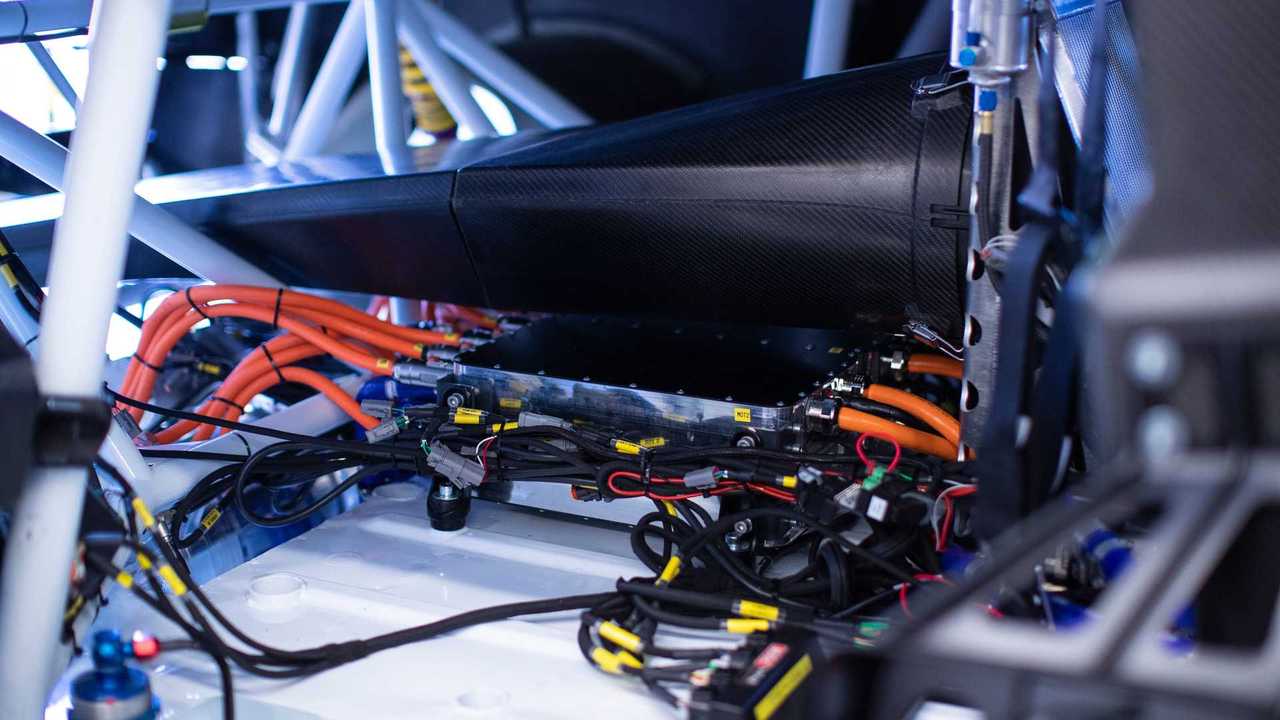
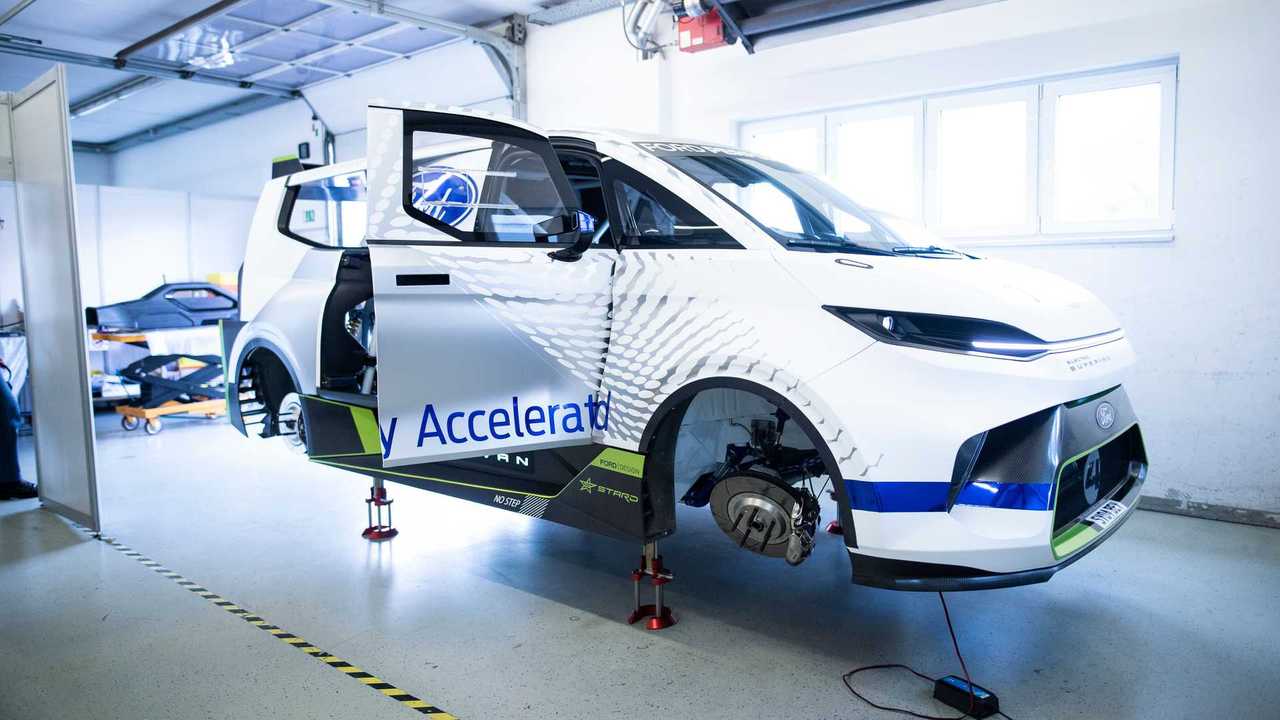


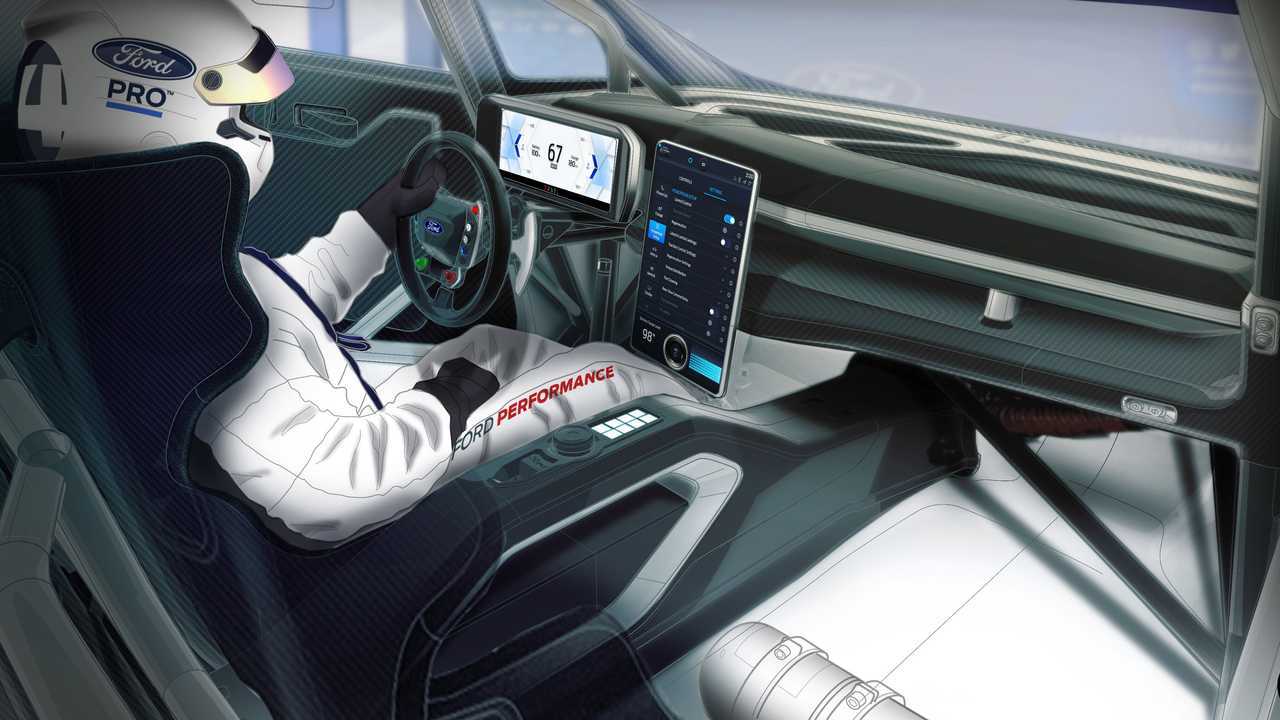
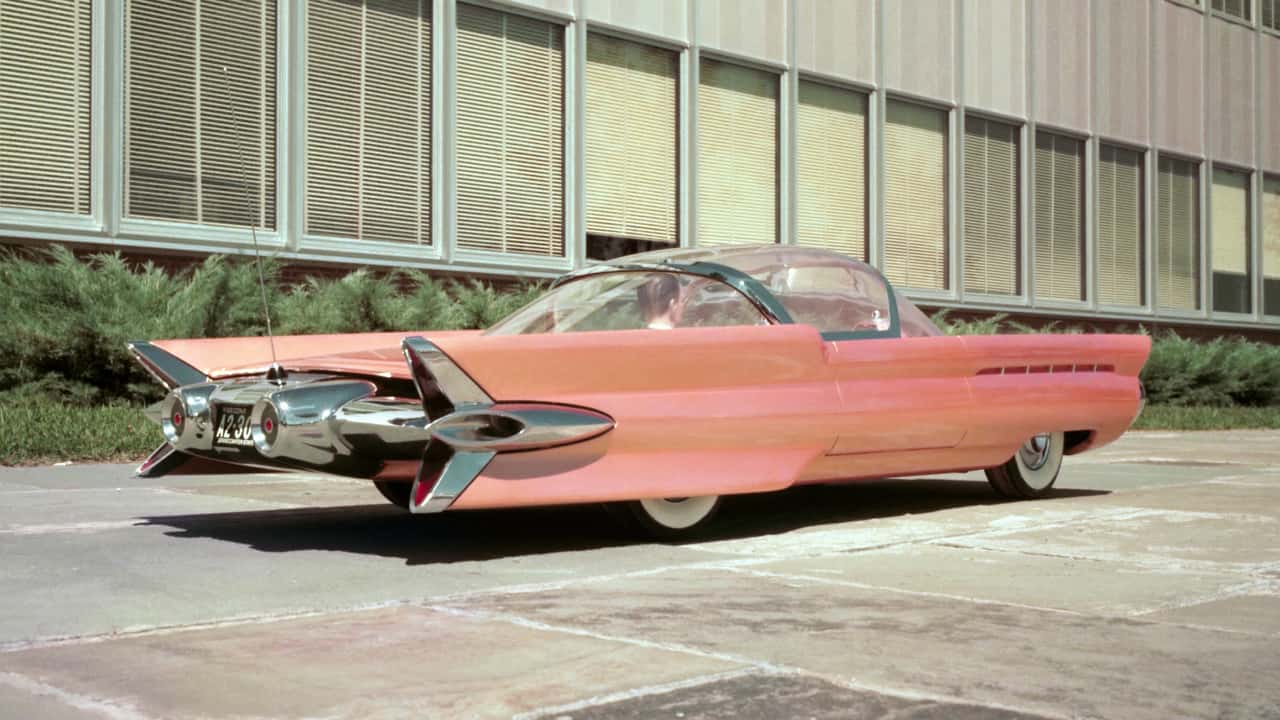

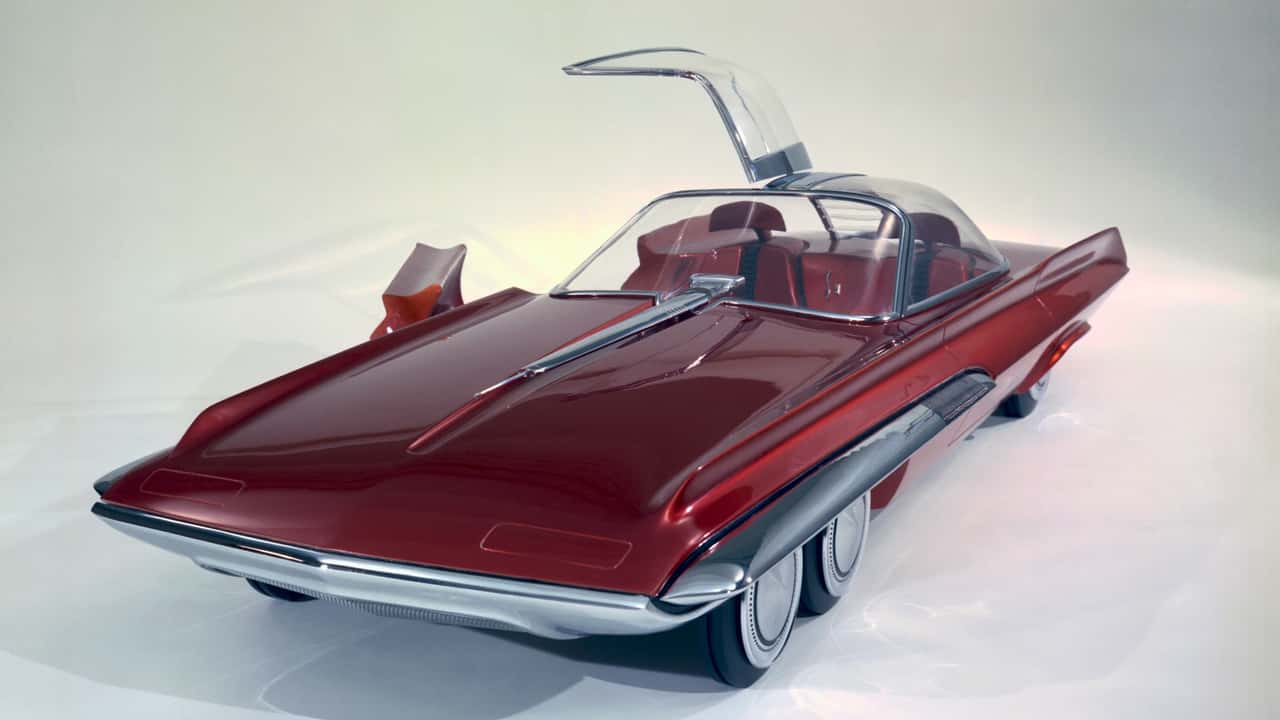
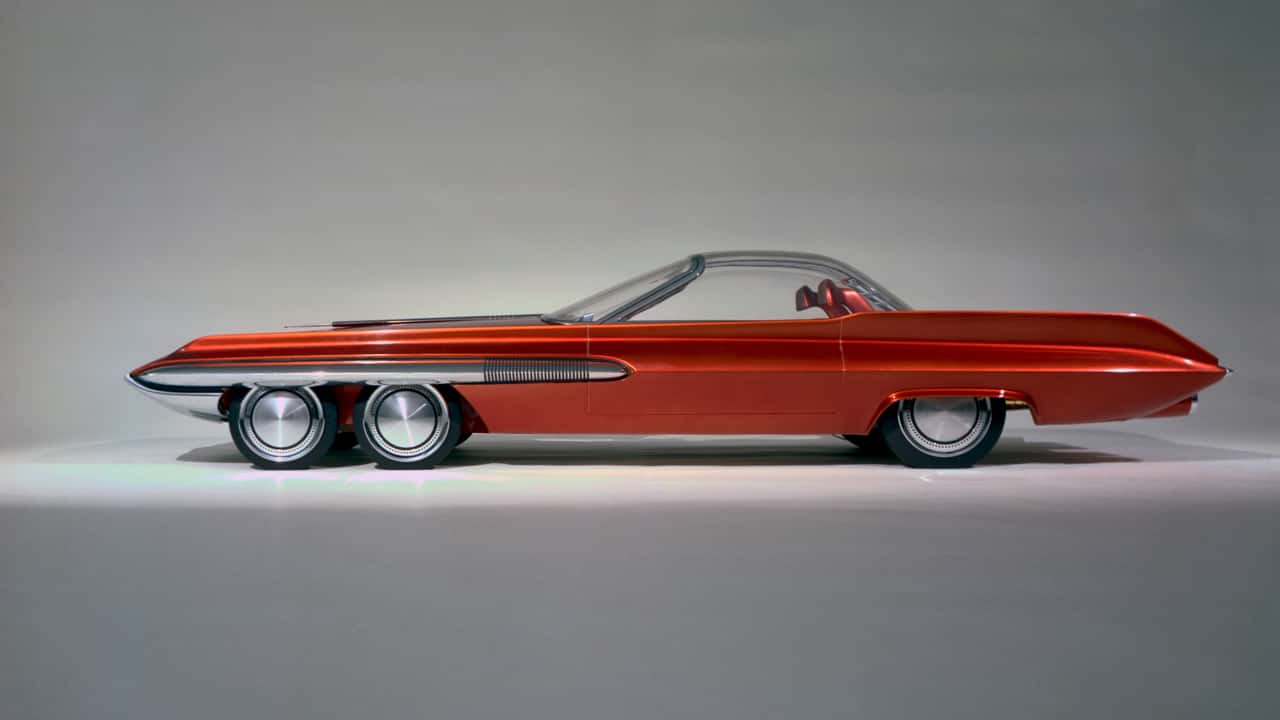
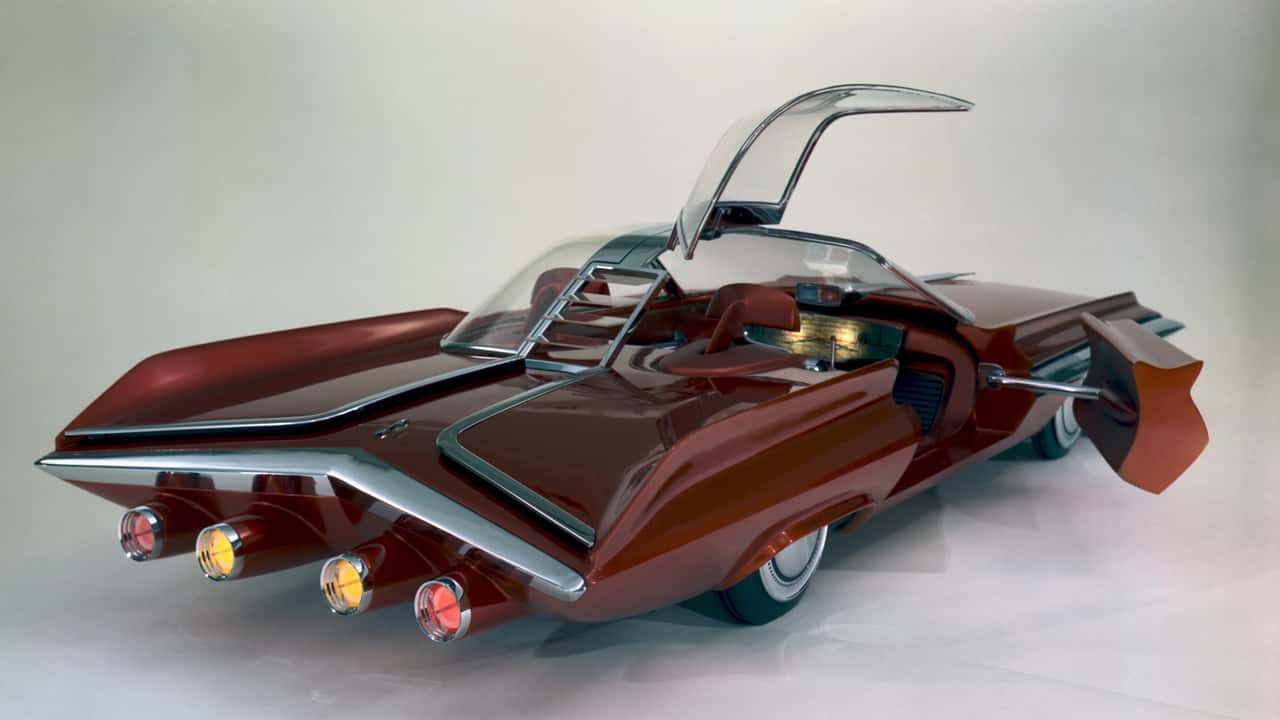
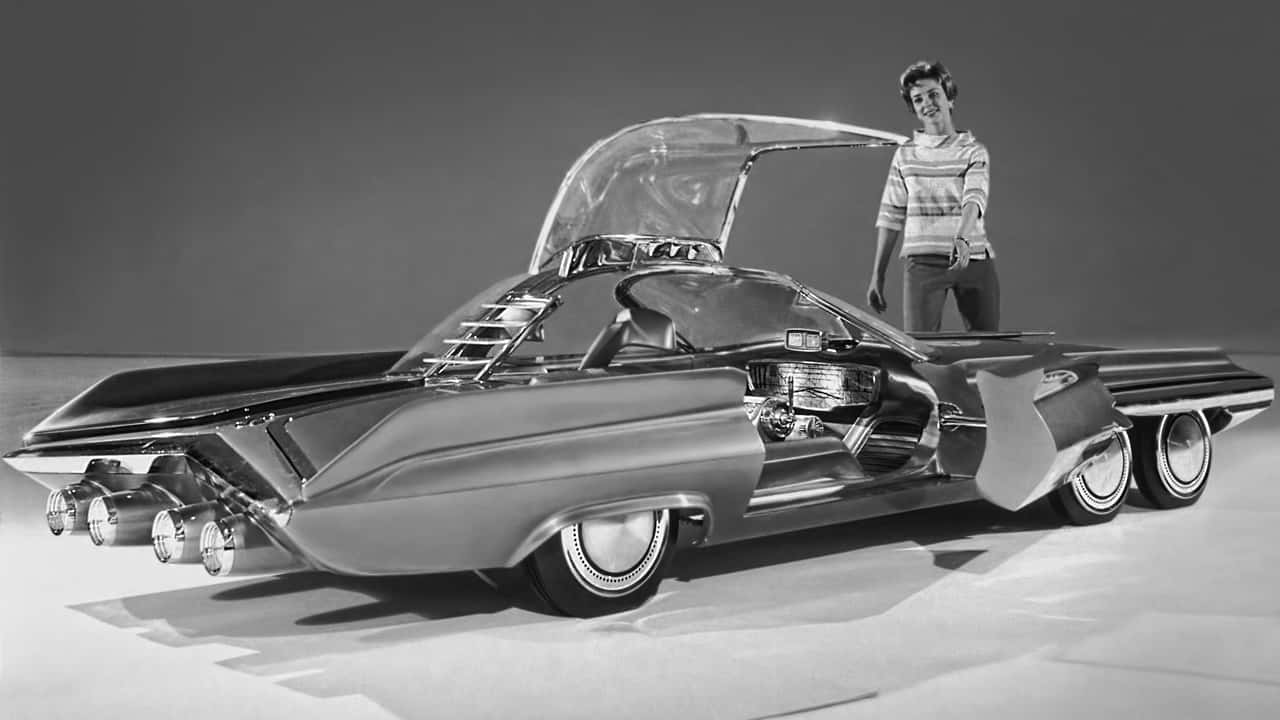
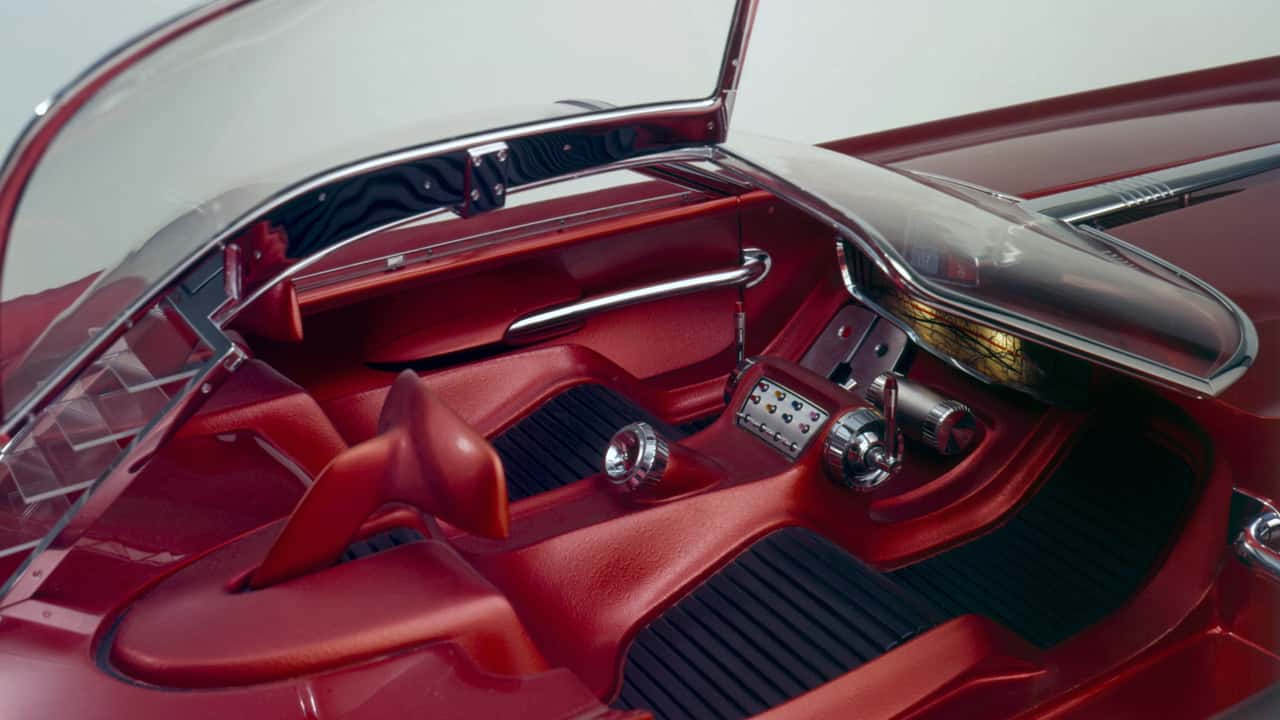
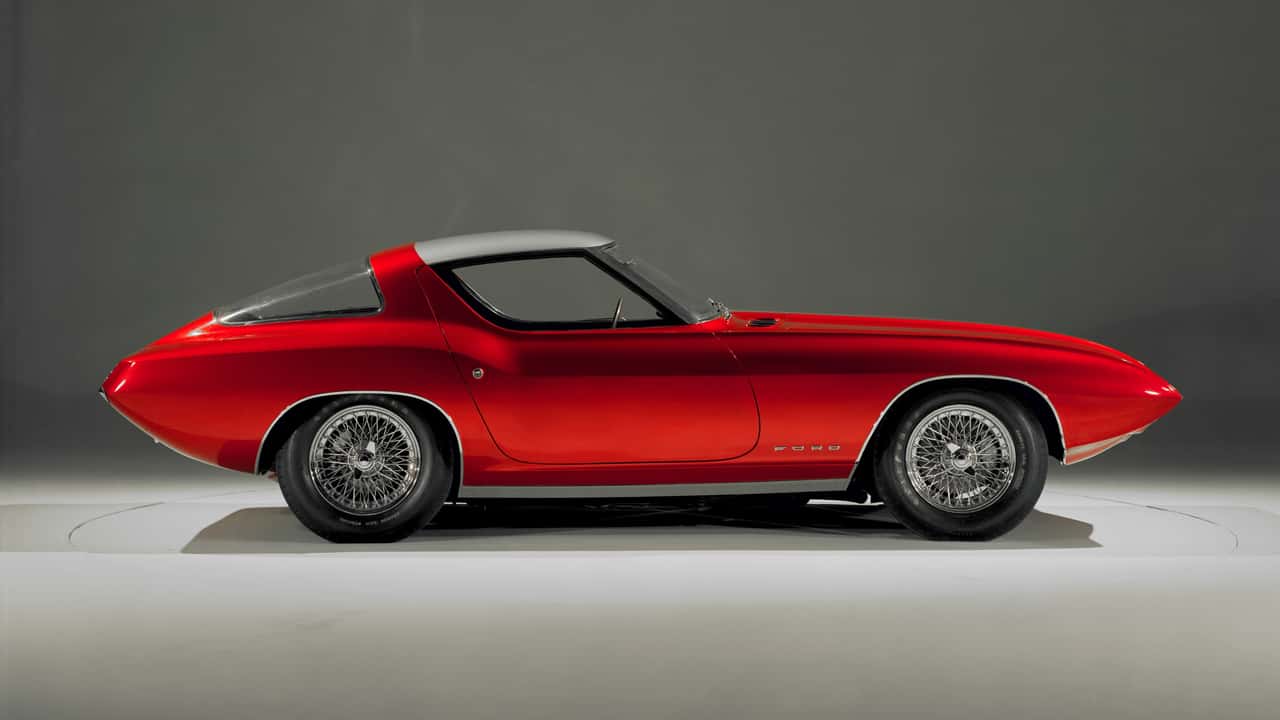
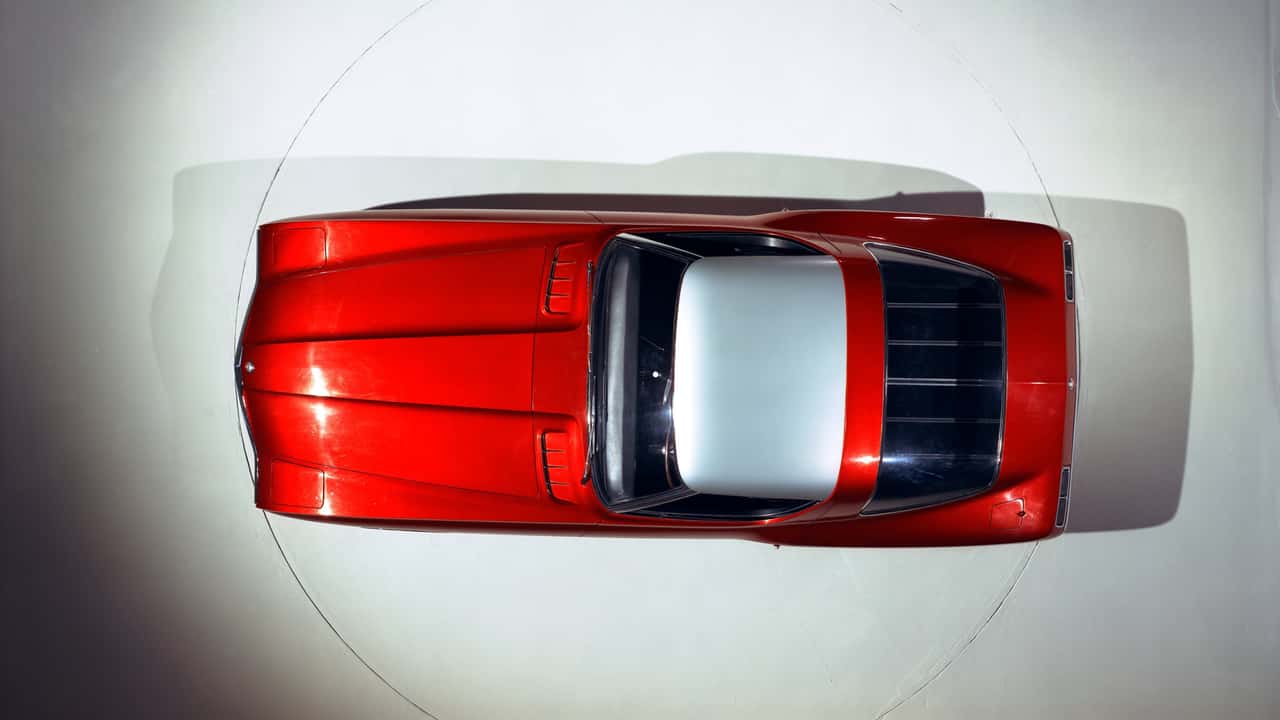
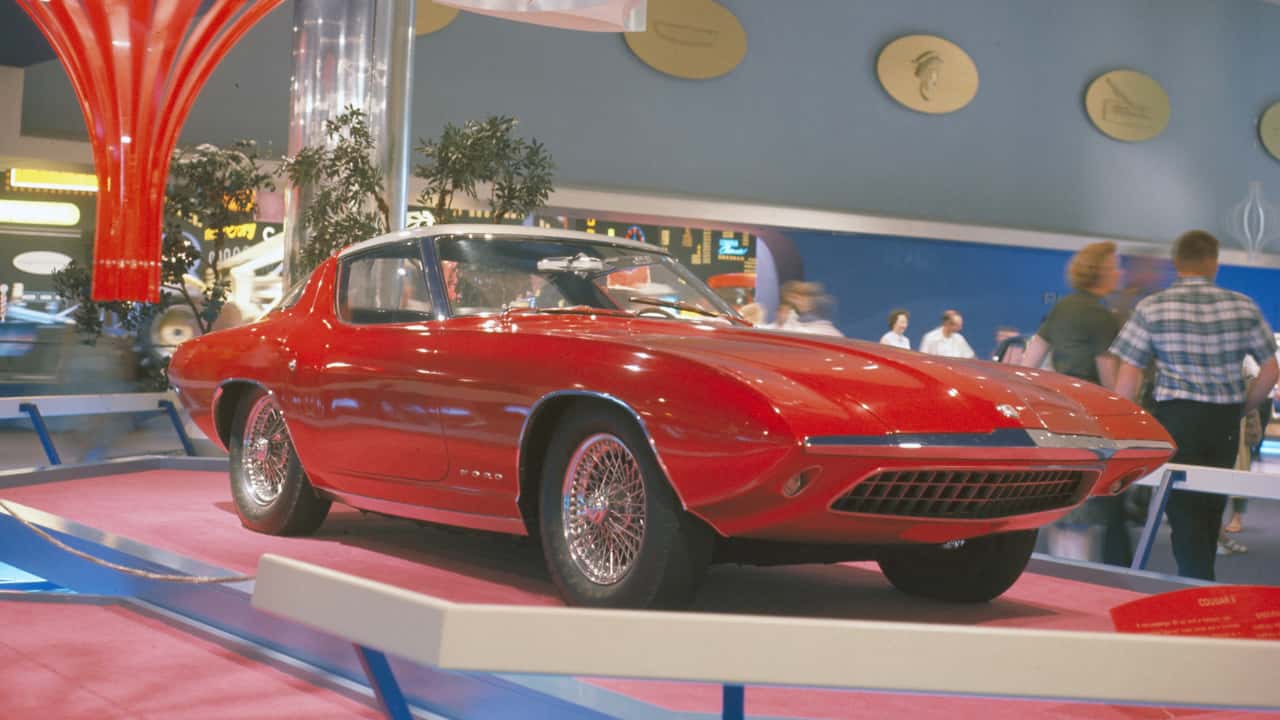
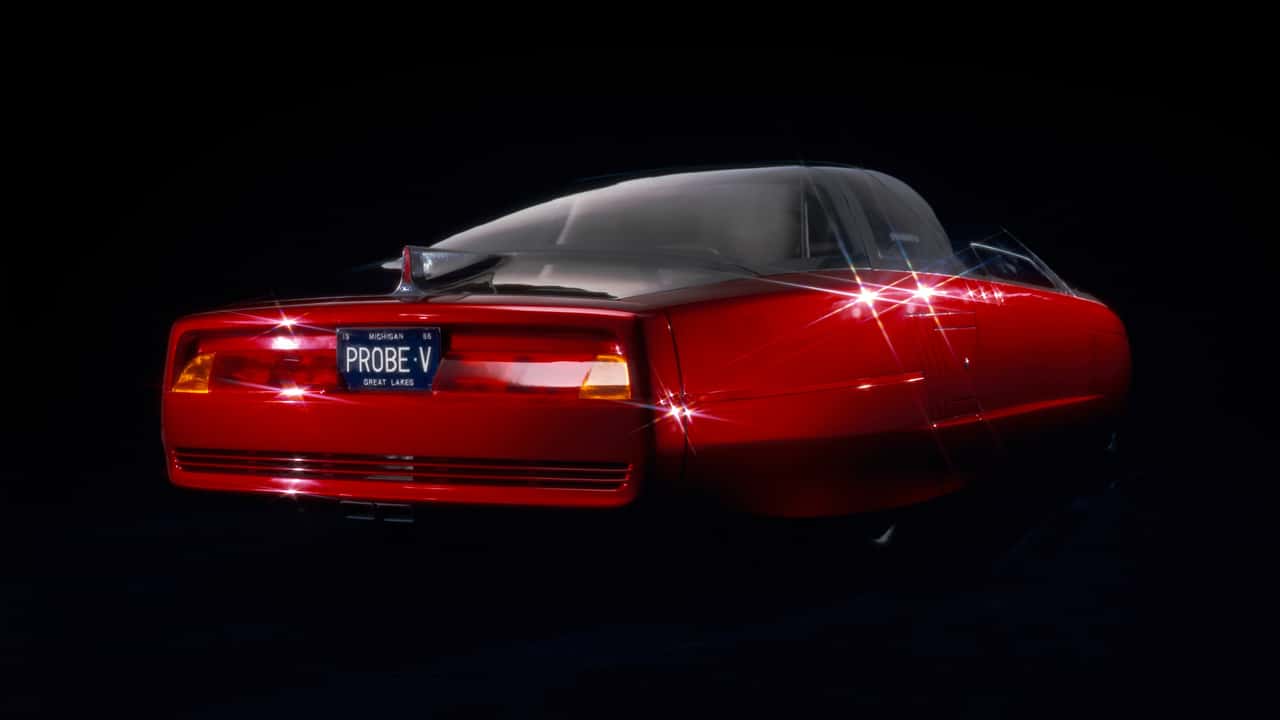
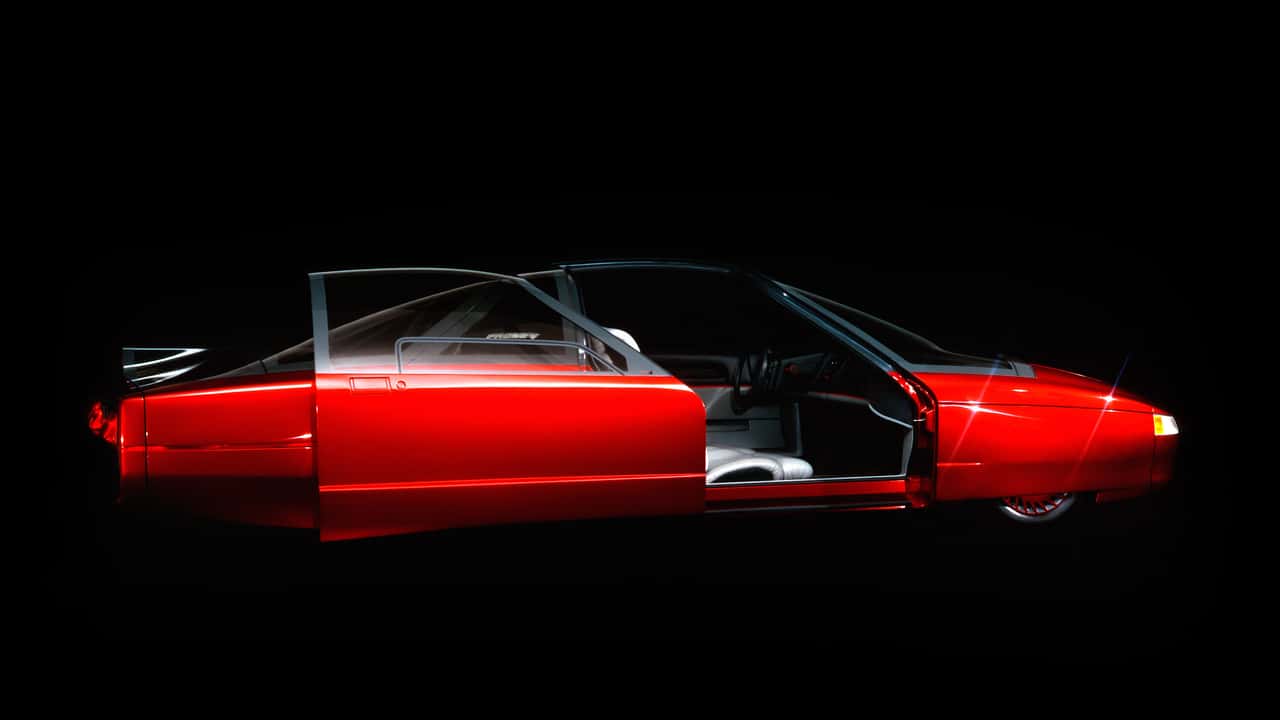
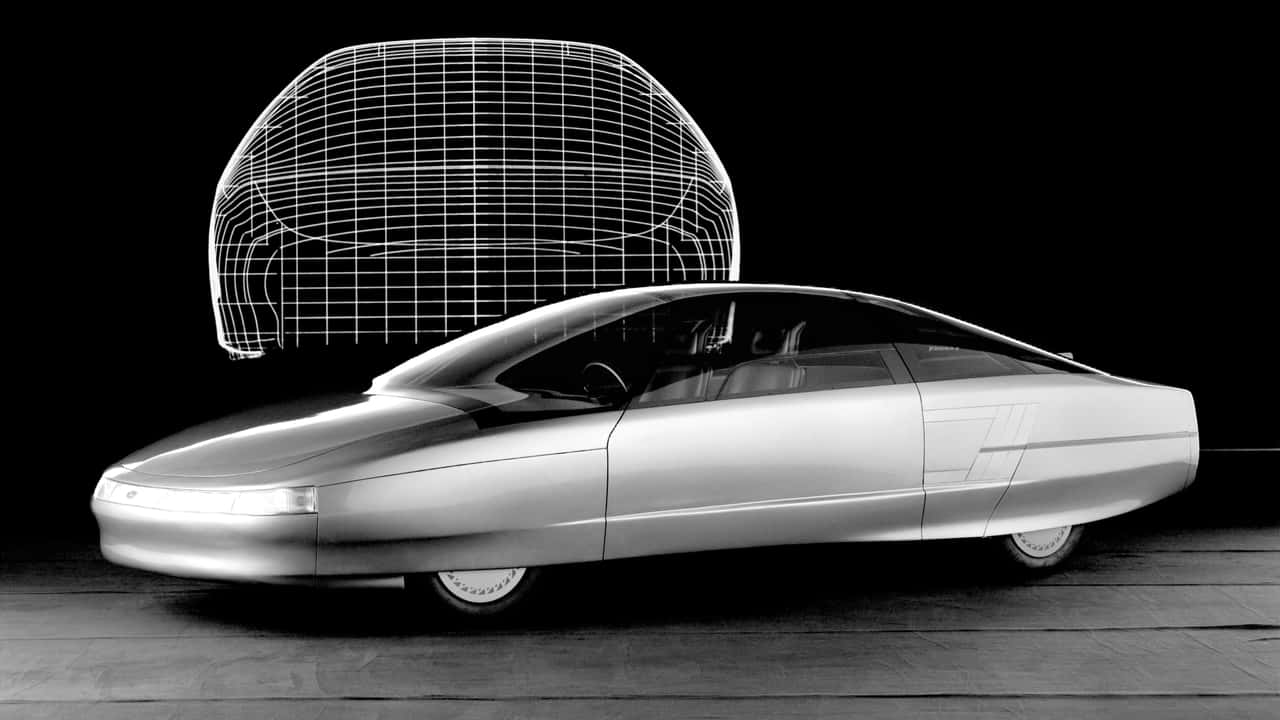
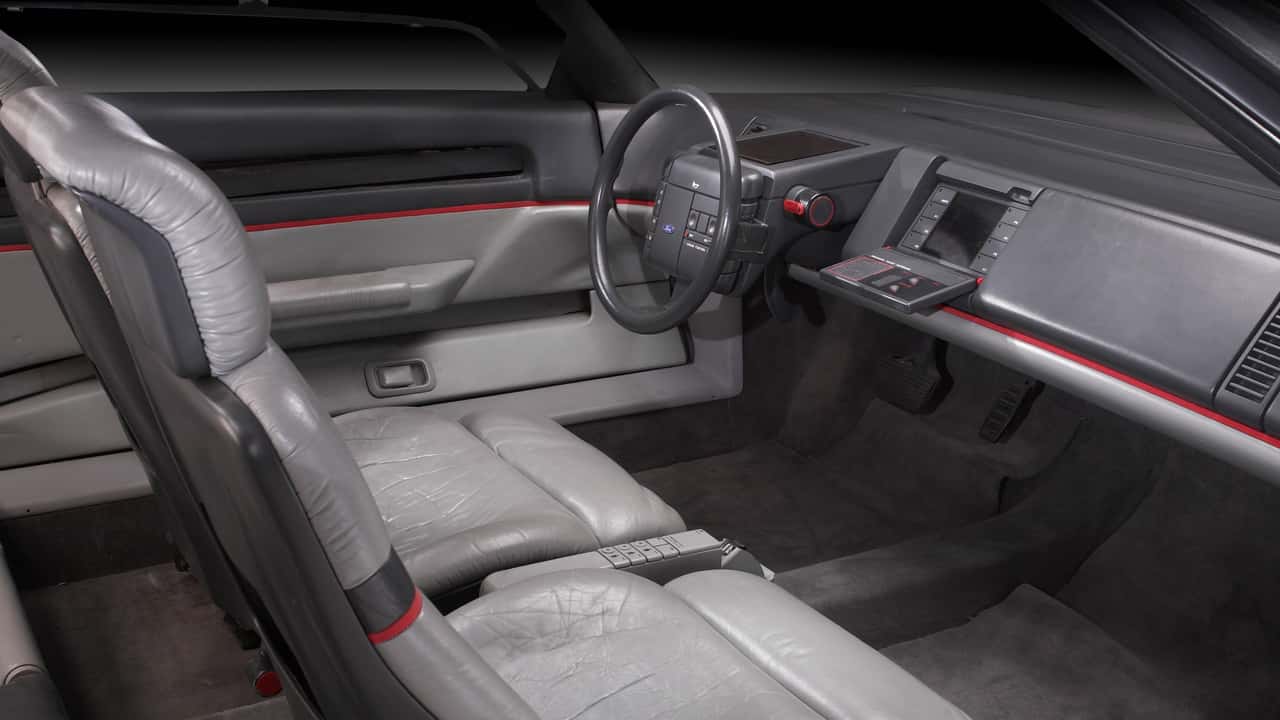
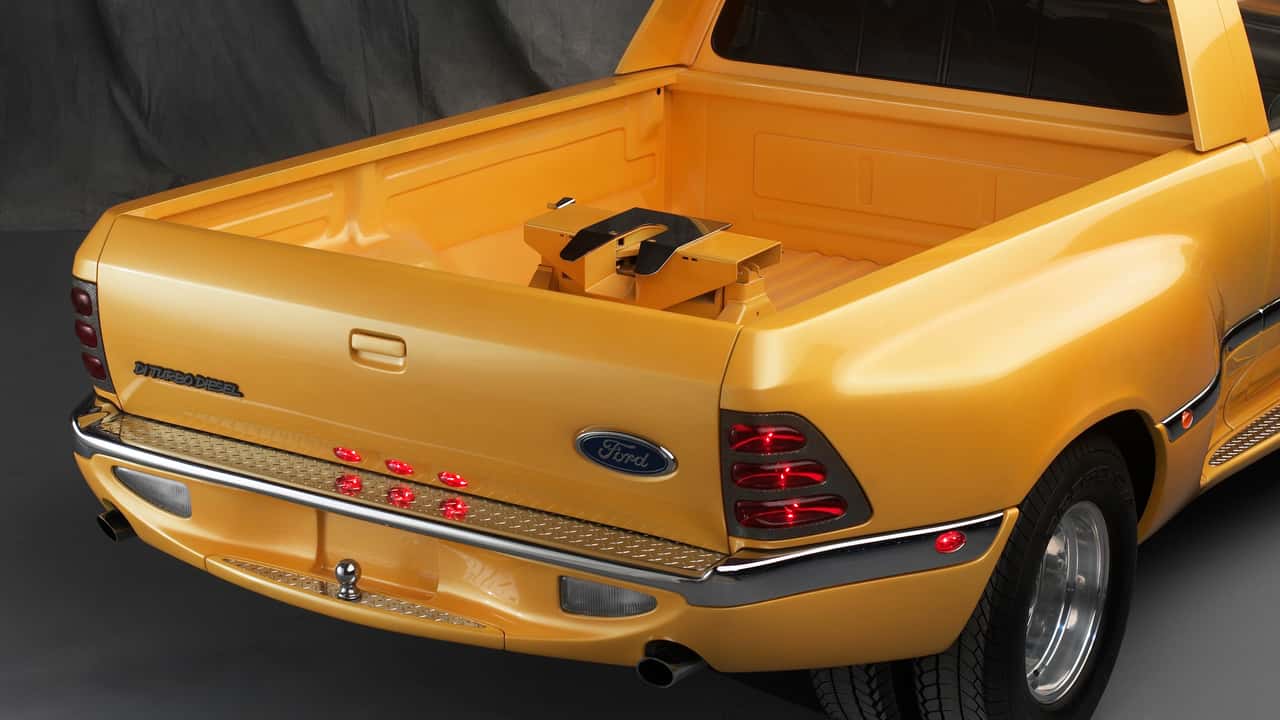
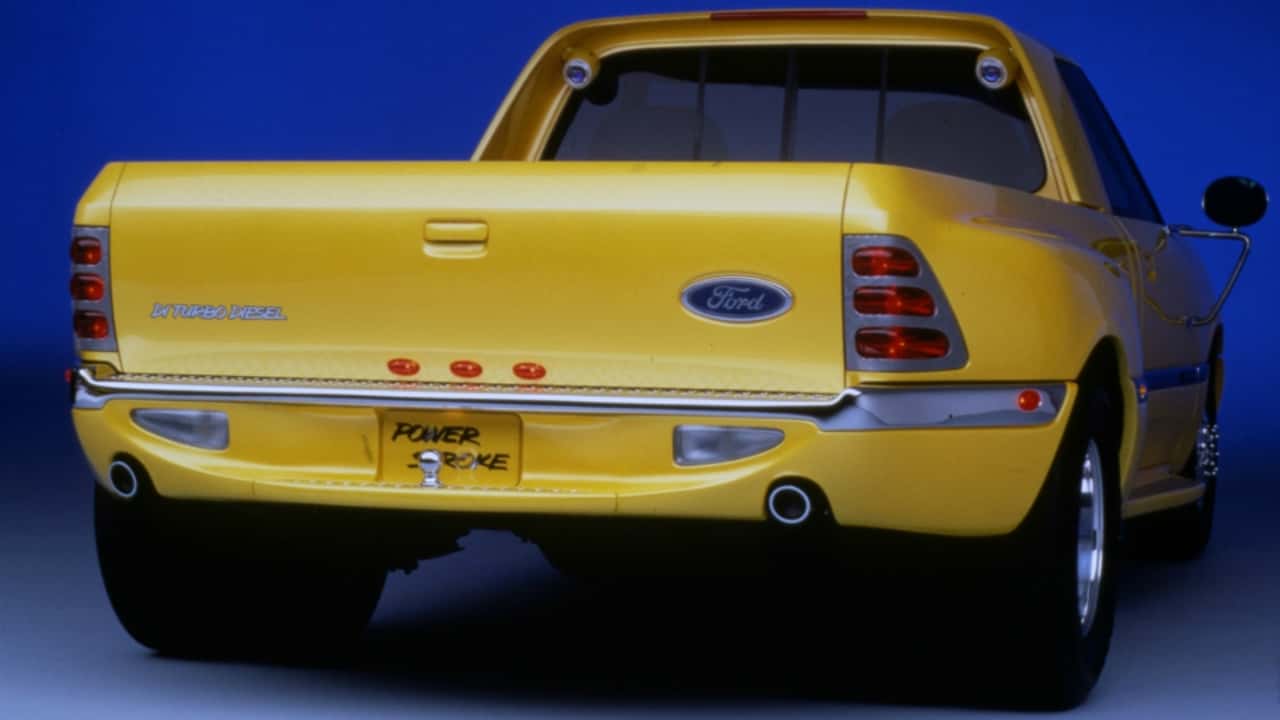
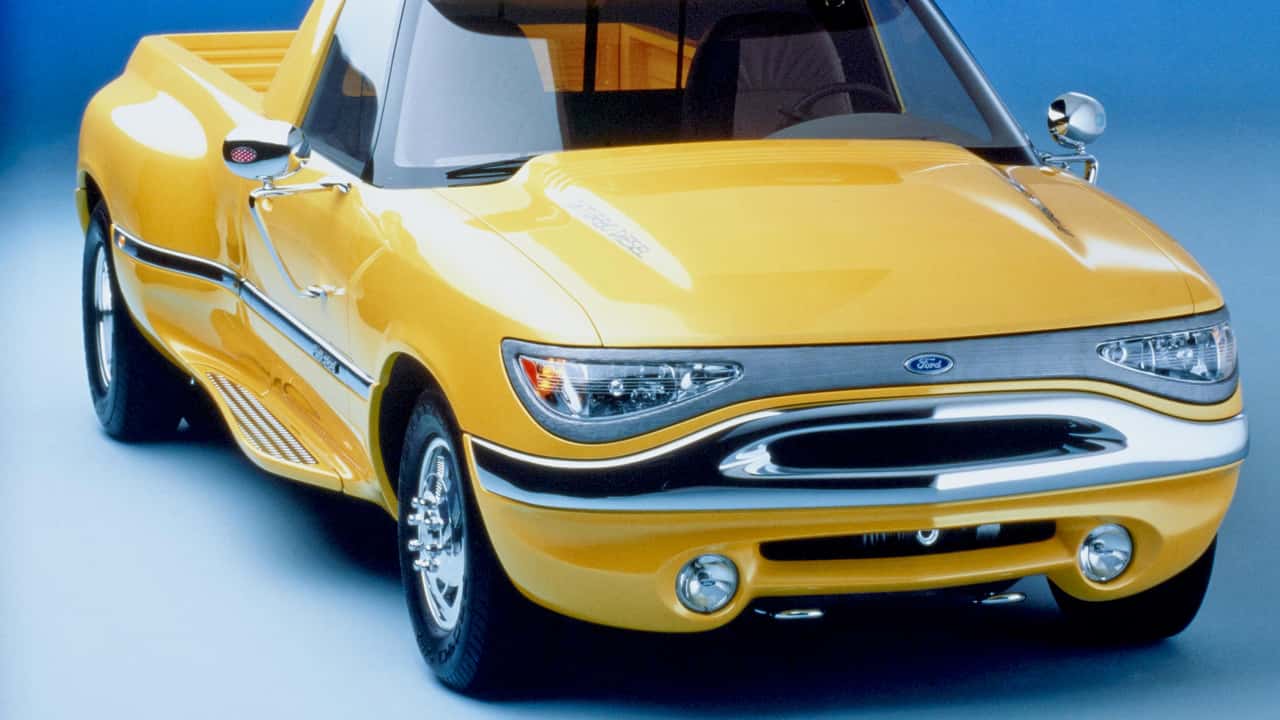

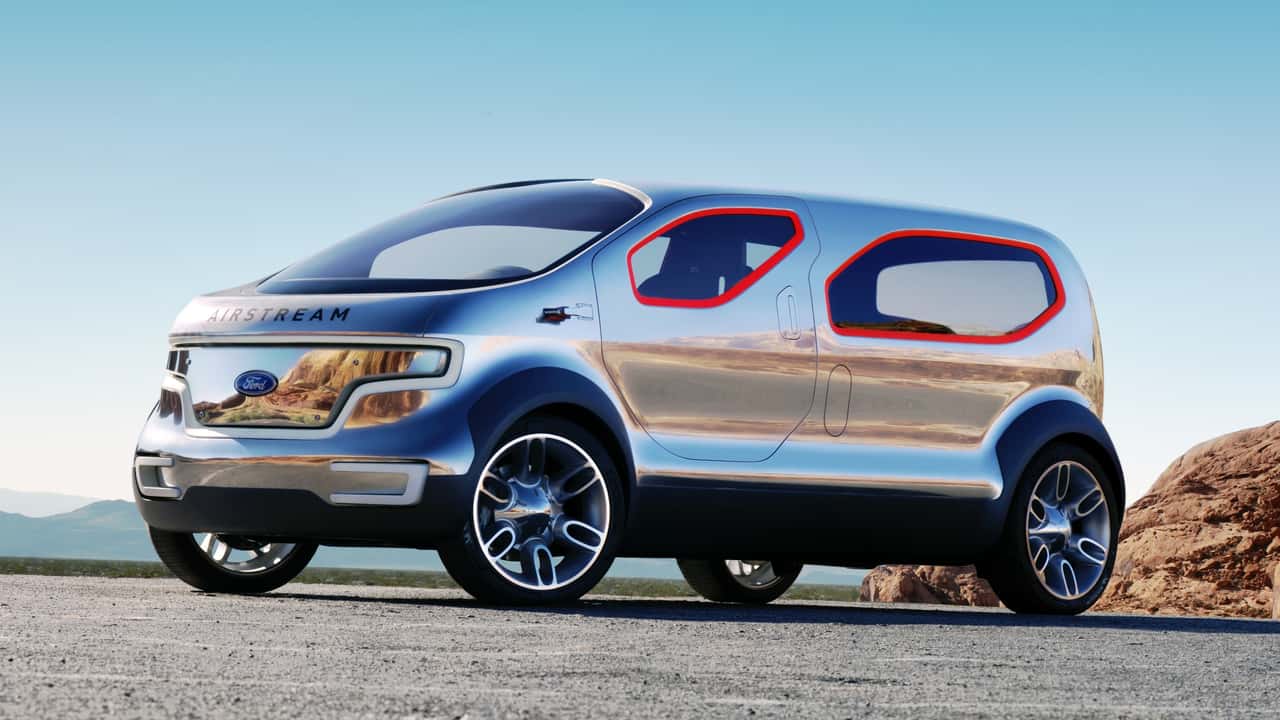
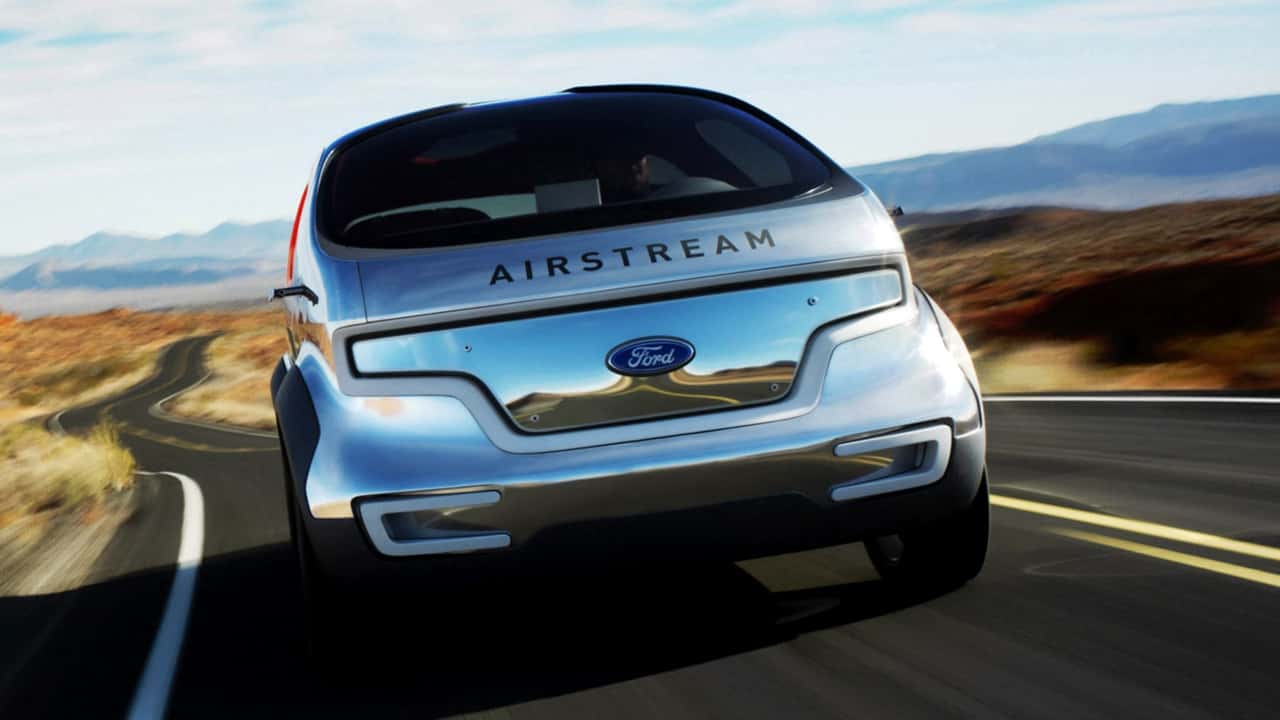
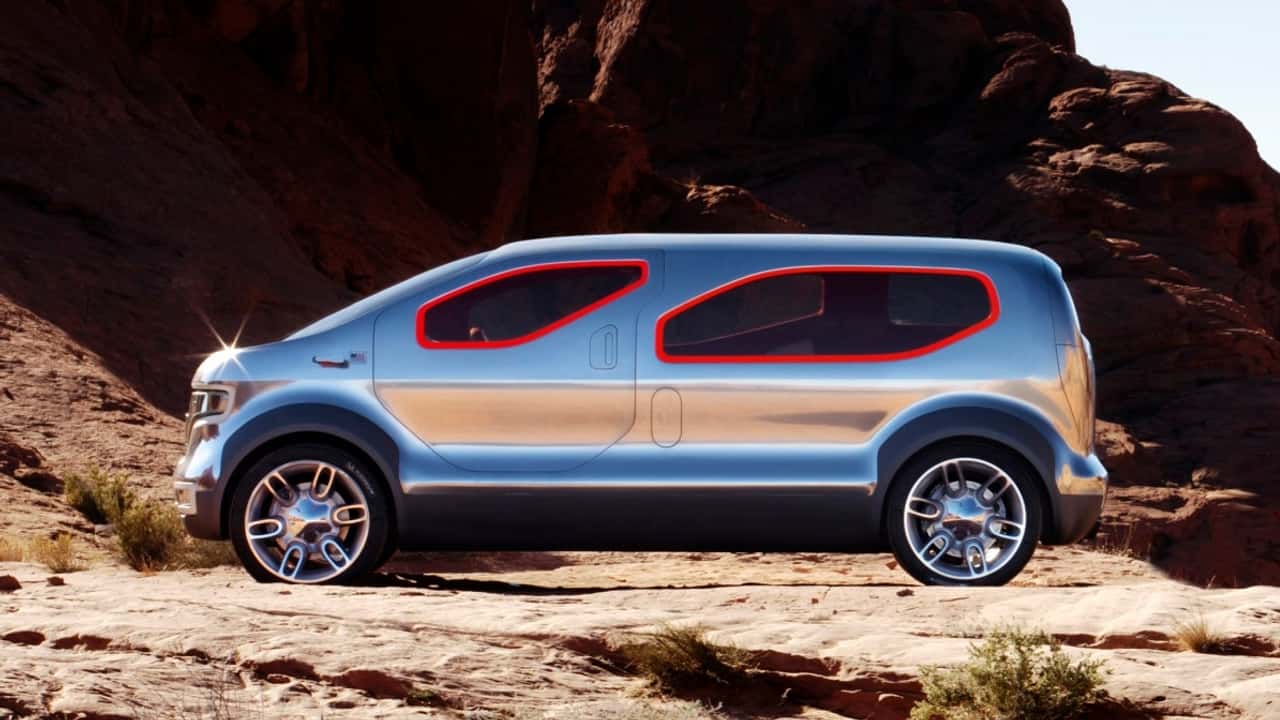
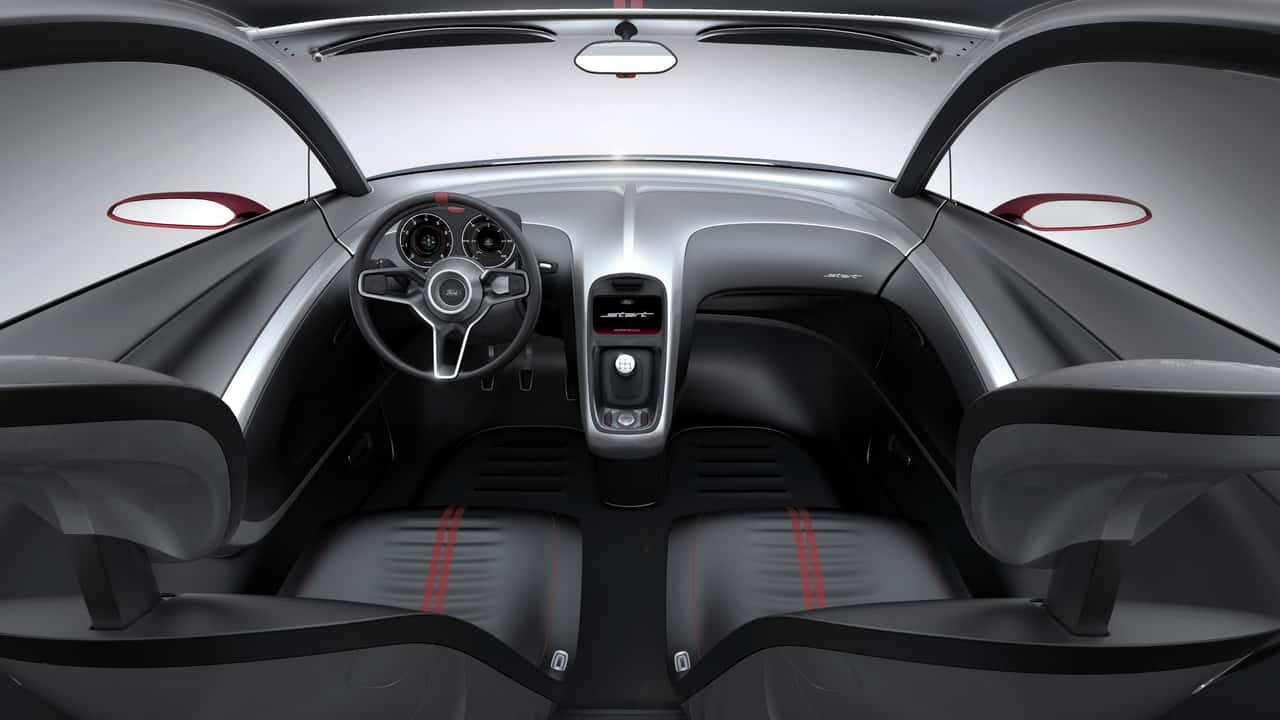
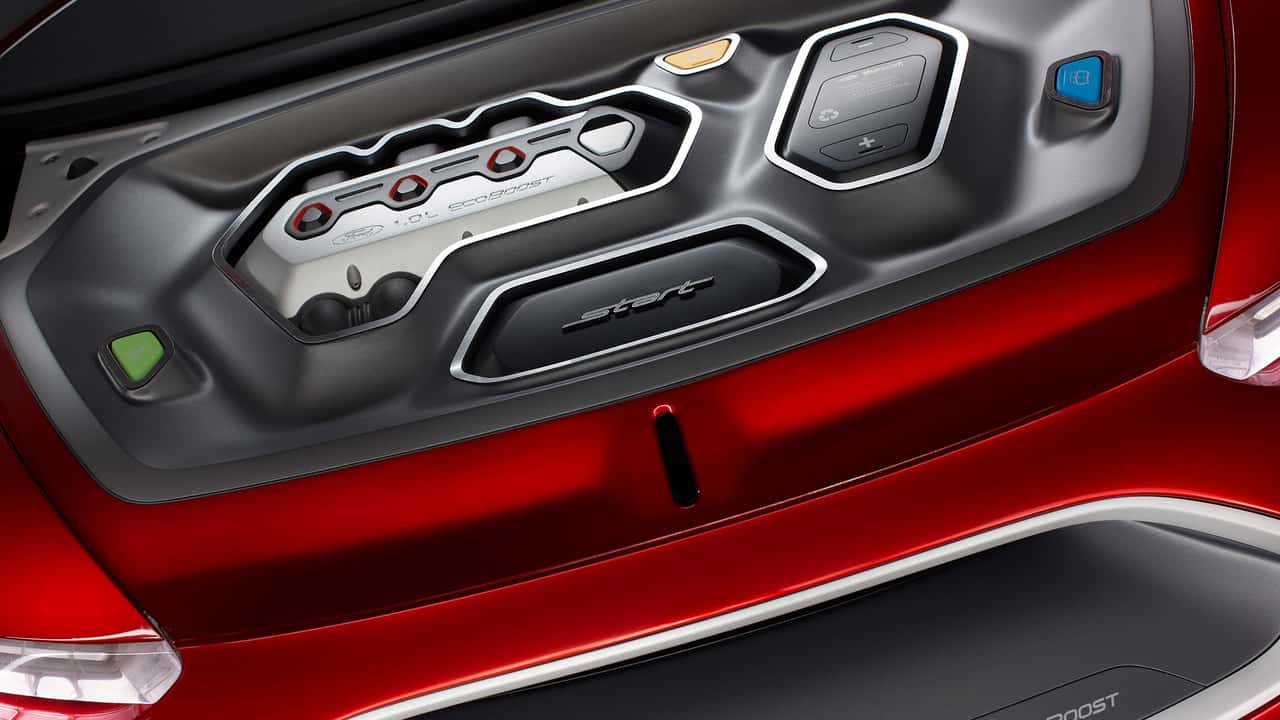
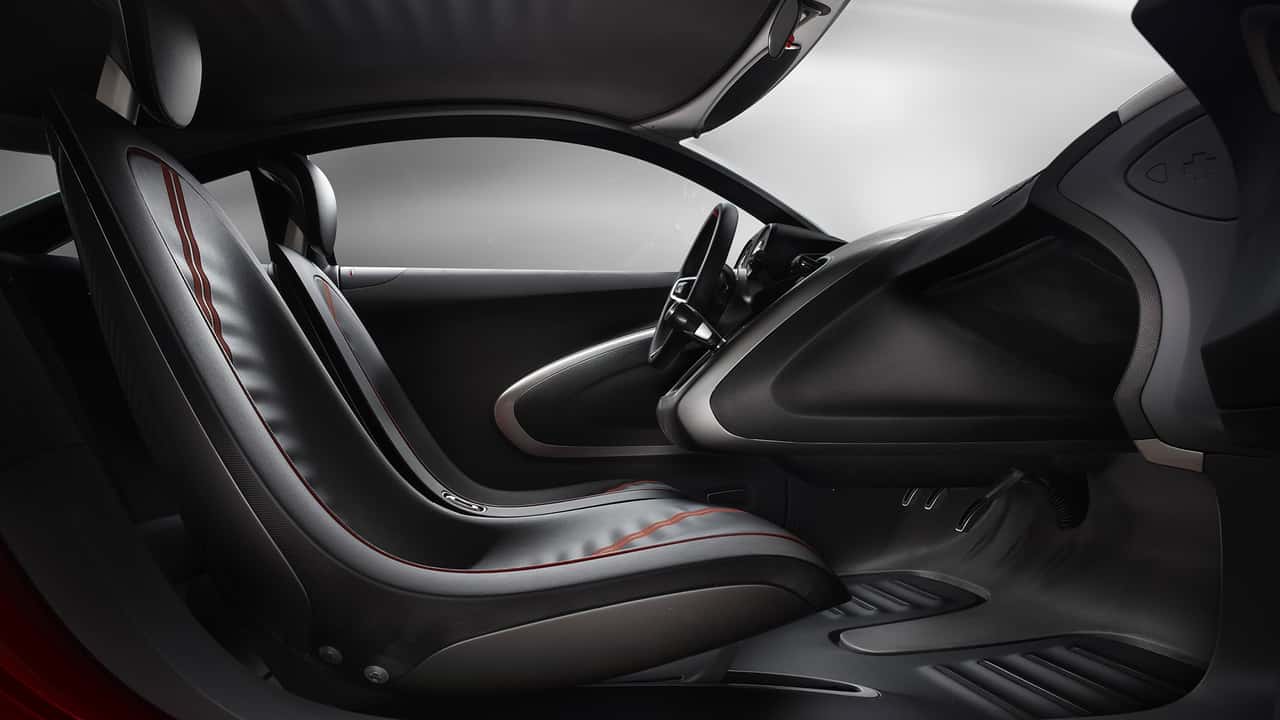
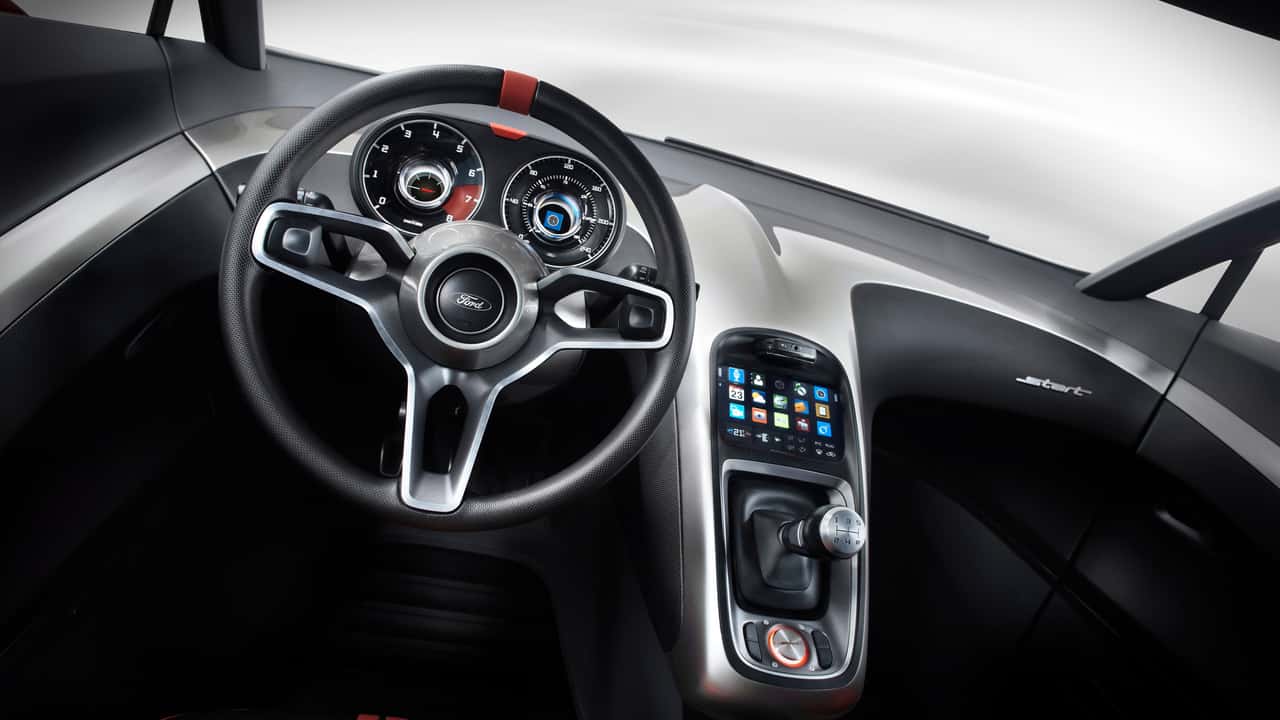
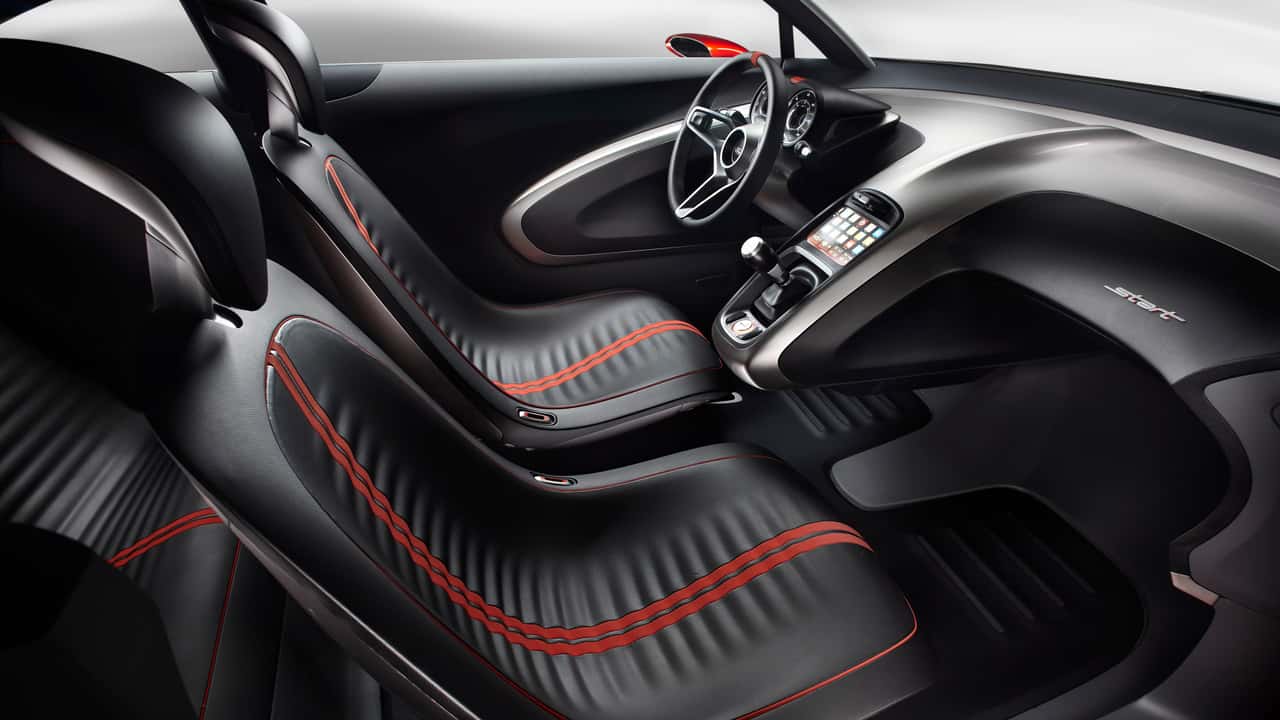
]]> feedback@motor1.com (Jeff Perez) https://www.motor1.com/features/811085/weirdest-ford-concept-cars/ https://www.motor1.com/features/811183/why-doesnt-america-have-more-small-cars/ Fri, 09 Oct 2026 12:00:00 +0000 Why Doesn't America Have More Small Cars? America used to sell plenty of small cars. So why did SUVs and trucks take over the roads, nearly wiping small cars out in the process?
Walk into a car dealership in Europe or Japan, and you can find tiny hatchbacks, narrow city cars, and compact models that seem almost perfectly suited to crowded streets. Walk into an American dealership... and the selection can look very different. Even the smallest vehicles on sale are increasingly dressed up as crossovers.
That's strange when you consider how useful a genuinely small car can be. They're easier to park, cheaper to fuel, and often less expensive to buy.
Yet the American market has spent decades moving in the opposite direction, with SUVs and pickups taking over showroom space once occupied by subcompacts and sedans. So why doesn't America have more small cars?
Americans Really Do Buy Bigger Vehicles
The simplest answer is also one of the most important: Americans generally like bigger vehicles.
The US is a huge country, and many drivers routinely cover long distances on wide roads and high-speed highways. A larger vehicle can provide more interior space, a higher driving position, more cargo capacity, and a feeling of security in traffic.
There's also the practical reality of American households. A vehicle might need to carry several people, luggage, sports equipment, pets, or home-improvement supplies. A small hatchback can do many of those things, but an SUV often makes the job easier.
The market has responded accordingly. According to the EPA, trucks—including SUVs under federal regulatory classifications—accounted for 66 percent of new vehicles in the 2024 model year, compared with just 34 percent classified as cars.
And automakers follow the money. If buyers consistently choose a small SUV over a small sedan, there's a strong incentive to build the SUV.
Small Cars Are Harder To Make Profitable
This is where the economics get interesting. A small car can be inexpensive for a customer, but that doesn't necessarily make it inexpensive for an automaker to develop and sell.
Modern vehicles need sophisticated safety systems, emissions equipment, electronics, infotainment, driver-assistance technology, and increasingly complex powertrains. Those costs don't shrink nearly as quickly as the vehicle itself.
A manufacturer might therefore make considerably more money selling a $35,000 compact SUV than a $22,000 subcompact hatchback, even if both require many of the same expensive technologies.
That helps explain why automakers have gradually abandoned some traditional small-car segments. Consumer Reports notes that several major brands have moved away from small cars while introducing hatchbacks and crossover-style vehicles with more SUV-inspired designs and interior space.
It's not simply that automakers don't want to sell small cars. They need enough customers willing to buy them at a price that makes the business worthwhile.
Regulations Don't Make Tiny Cars Easy
Government regulations are another piece of the puzzle, although they're often oversimplified. A car sold in America has to meet U.S. safety and emissions requirements. That means an inexpensive little car designed for another market may need significant engineering changes before it can be sold here.
The problem becomes particularly obvious with ultra-small vehicles. Japan's famous kei cars, for example, are built around a completely different set of assumptions about size, power, roads, and urban transportation. Bringing one to the U.S. is not simply a matter of putting it on a ship and adding a sticker.
It may need different crash structures, safety equipment, lighting, emissions hardware, and other modifications. Those changes add cost and can undermine the very reason the tiny car exists in the first place.
Fuel-economy regulations have also influenced what automakers build. U.S. rules classify vehicles into different regulatory categories, and the country's CAFE system has historically treated passenger cars and light trucks differently. The latest federal rules are being recalibrated again, illustrating just how closely regulation and vehicle design are intertwined.
That doesn't mean regulations simply "killed small cars." Consumer demand remains a huge factor. But regulations can affect the relative cost and attractiveness of different vehicle types.
Why Small SUVs Beat Small Cars
The biggest change wasn't Americans suddenly deciding that compact vehicles were terrible. It was automakers discovering that they could give buyers many of the benefits of a small car while packaging them as an SUV.
A small crossover can still be relatively easy to maneuver and fuel-efficient, but it offers a taller seating position, more cargo flexibility, and styling that many buyers prefer. That's an extremely powerful combination.
Instead of choosing between a tiny hatchback and a huge SUV, buyers can choose something in the middle. And once manufacturers realized how popular that formula was, the traditional small sedan and hatchback became increasingly difficult to justify.
There are plenty of reasons buyers prefer crossovers, including:
Higher seating position: Many drivers like the visibility and easier entry. More cargo flexibility: A hatchback-style rear opening and folding seats are useful for everyday errands. SUV styling: Buyers often perceive crossovers as more modern or versatile than traditional small cars. Practical proportions: A small crossover can provide considerable interior space without being enormous. Perceived safety: Sitting higher and driving a larger vehicle can feel reassuring in traffic, even though vehicle safety is much more complicated than size alone.
The result is a strange middle ground: America still sells small vehicles, but many of them aren't marketed as small cars anymore.
Some Drivers Want Small Cars Back
The online car community is frustrated by America's shift away from small cars. In r/whatcarshouldIbuy, commenters have lamented the disappearance of affordable compacts, while an r/cars thread argued that small cars make sense for buyers but are increasingly difficult for automakers to sell profitably.
The debate is not just about what Americans want, either. Another r/cars discussion questioned why small cars are disappearing, with commenters pointing to the growing popularity of crossovers and the economics of selling larger vehicles. A separate thread about Ford's push to bring back smaller cars showed just how much enthusiasm remains for compact vehicles.
Could America Finally Get More Small Cars?
There are signs that the appetite for smaller vehicles is not completely gone. High vehicle prices and rising ownership costs can make affordability much more important. In 2026, some automakers have reported stronger demand for cheaper passenger cars and smaller SUVs as buyers become more price-conscious.
That doesn't necessarily mean America is about to become a nation of tiny hatchbacks. The SUV remains deeply entrenched, and American roads, regulations, and consumer preferences aren't suddenly becoming Japanese or European.
But there's an important distinction between small cars disappearing because nobody wants them and small cars disappearing because automakers can make more money selling something slightly larger. America actually has plenty of reasons to want smaller vehicles. They're efficient, affordable, easy to park, and perfectly adequate for millions of daily commutes.
The problem is that the American automotive market has created a powerful incentive to make those vehicles bigger, taller, and more expensive. So why doesn't America have more small cars? Because Americans have spent decades rewarding automakers for building something else. And until the economics—or the buyers—change significantly, the next small car is probably going to look a lot more like a small SUV.
Here's Why Your Car Has An Internet Connection
Why Hybrids Get Better MPG In The City
Your EV Says 0%. Now What Do You Do?
What Actually Happens If You Put Diesel In A Gas Car?
]]> feedback@motor1.com (Dan Mihalascu) https://www.motor1.com/features/811183/why-doesnt-america-have-more-small-cars/ https://www.motor1.com/features/811168/what-does-ceramic-coating-do/ Thu, 08 Oct 2026 20:00:00 +0000 What Is Ceramic Coating, And Is It Worth It? Ceramic coating promises glossy paint, water-beading magic, and protection. But what does it really do for your car?
Ceramic coating has become one of the biggest buzzwords in the world of car detailing. You'll see it advertised as a way to make paint glossier, easier to clean, and better protected from the elements. Some products even make it sound like a near-invisible force field for your car. But what does ceramic coating actually do?
Despite the name, automotive ceramic coating is not a layer of ceramic armor. It's a liquid chemical product that bonds to a vehicle's paint and cures into a thin, protective layer. When properly applied, it can change how water, dirt, and contaminants interact with the surface.
That sounds impressive, but ceramic coating is not magic. Understanding its strengths and limitations is important before spending hundreds or even thousands of dollars on an application.
Ceramic Coating Creates A Protective Layer
At its most basic, a ceramic coating is designed to form a durable layer over a vehicle's existing paint.
Most modern automotive ceramic coatings use silicon dioxide (SiO₂) or related ceramic-based chemistry. Once applied and cured, the coating chemically bonds with the surface and creates a very thin layer that is more resistant to environmental contaminants than untreated paint.
Unlike traditional wax, which sits on the surface and gradually wears away, a properly applied ceramic coating is designed to provide significantly longer-lasting protection. It doesn't replace the vehicle's clear coat, either. Think of it more as an additional protective layer over the clear coat.
What Does Ceramic Coating Actually Protect Against?
A ceramic coating's biggest advantage is that it can make the paint more resistant to everyday environmental contamination. Depending on the product and application, that can include:
Water and moisture: Its hydrophobic properties cause water to bead up and roll off the surface more readily. Road grime: Dirt and other contaminants have a harder time bonding to the treated surface. Bird droppings and bugs: The coating can make these contaminants easier to remove before they sit on the paint for an extended period. UV exposure: Some coatings provide additional protection against the effects of prolonged sunlight exposure. Chemical contamination: A quality coating can provide some resistance to certain acidic or alkaline contaminants.
That doesn't mean a ceramic-coated car is immune to damage. Bird droppings can still etch paint, road debris can still cause chips, and strong chemicals can still affect the finish. The coating simply gives the underlying surface another layer of defense.
Why Does Water Bead Up On Ceramic Coating?
One of the easiest ways to see a ceramic coating working is to spray water on the car. Instead of spreading across the paint, water tends to form tight beads and run off the surface. This happens because the coating changes the surface characteristics of the paint, making it highly hydrophobic.
That water behavior is more than just something that looks good in detailing videos. When water and contaminants are less likely to remain on the surface, washing the vehicle can become easier. Dirt may be less likely to stick stubbornly to the paint, while water can drain away more readily.
It's important to note, however, that hydrophobicity and protection aren't exactly the same thing. A product can produce dramatic water beading without necessarily offering the same level of long-term durability or chemical resistance as a professional-grade ceramic coating. In other words, impressive water behavior is one benefit of ceramic coating—not the entire reason to use it.
Ceramic Coating Is Not Paint Protection Film
One of the biggest misconceptions about ceramic coating is that it can protect a car from virtually any type of damage. It can't. A ceramic coating is extremely thin compared with paint protection film (PPF). It is not designed to absorb the impact of rocks, gravel, shopping carts, or other objects that can physically damage paint.
Ceramic coating also won't automatically hide scratches or correct existing paint defects. In many cases, professional installers will actually polish the paint before applying the coating because imperfections can become sealed beneath it. That's why ceramic coating and PPF serve different purposes.
PPF is primarily about physical impact protection, while ceramic coating is focused more on surface protection, chemical resistance, hydrophobic behavior, and ease of maintenance. Some owners even use both, applying ceramic coating over PPF to make the film easier to maintain and add hydrophobic properties.
Owners Have A Few Caveats About Ceramic Coating
Reddit’s detailing community tends to agree that ceramic coating’s biggest everyday benefit is making a car easier to clean. In a recent r/AutoDetailing discussion, owners debated whether a full coating makes sense for cars that regularly go through automatic washes, with some recommending simpler spray-on products instead.
An older r/AutoDetailing thread reached a similar conclusion: coatings can help repel dirt and make washing easier, but their value depends on how much effort an owner is willing to put into maintenance.
There’s also a consistent reality check across these discussions, namely that ceramic coating is not an invisible shield. In another Reddit discussion, owners noted that coated paint can still develop swirls and rock chips and still needs regular washing. A 2026 thread discussing what happens when a coating wears out similarly described the coating as gradually losing its effectiveness rather than damaging the paint underneath.
Is Ceramic Coating Worth It?
Whether ceramic coating is worth the money depends largely on what you expect it to do. For someone who wants their vehicle to remain glossy and easier to clean, a quality coating can make sense. It can also be appealing for owners who regularly drive in harsh weather or simply want to spend less time fighting stubborn grime during washing.
But it's no substitute for proper car care. A ceramic-coated vehicle still needs to be washed correctly. Automatic brushes, abrasive cleaning methods, harsh chemicals, and neglect can still take their toll on the vehicle's finish.
And while consumer-grade ceramic products can be applied at home, professional coatings generally require careful surface preparation and precise application. The quality of the preparation can be just as important as the coating itself.
Ultimately, ceramic coating is best thought of as an additional layer of protection—not an invisible suit of armor. It can make a car's paint more resistant to contamination, easier to clean, and exceptionally slick and glossy. But rocks will still chip it, scratches can still happen, and the laws of physics haven't changed.
For drivers who understand those limitations, though, ceramic coating can be a useful upgrade for keeping a car looking its best for years to come.
Why Hybrids Get Better MPG In The City
Here's Why Your Car Has An Internet Connection
Your EV Says 0%. Now What Do You Do?
What Actually Happens If You Put Diesel In A Gas Car?
]]> feedback@motor1.com (Dan Mihalascu) https://www.motor1.com/features/811168/what-does-ceramic-coating-do/ https://www.motor1.com/features/811179/what-does-suv-mean/ Thu, 08 Oct 2026 15:00:00 +0000 What Actually Makes An SUV An SUV? From rugged 4x4s to tiny crossovers, SUVs have changed dramatically over the years. So what actually qualifies as one today?
SUV is easily one of the most familiar terms in the automotive world. You see it on dealership signs, window stickers, road tests, and rental-car listings. Today, everything from tiny urban crossovers to enormous luxury vehicles can wear the label.
But despite how common the acronym is, its meaning is not as obvious as it might seem.
SUV stands for Sport Utility Vehicle—most of you probably already know that.But that definition raises a big question: What exactly makes a vehicle “sport utility”? The answer has changed considerably over the decades.
SUV Means Sport Utility Vehicle
The acronym itself is straightforward. SUV stands for Sport Utility Vehicle.
But today's "SUVs" can be front-wheel drive, electric, extremely luxurious, or almost entirely road-focused. Some are built for serious off-roading, while others are essentially tall family cars.
The “utility” part refers to the vehicle's versatility. Traditional SUVs were designed to carry passengers and cargo while offering capabilities that ordinary passenger cars often lacked. That could include additional ground clearance, four-wheel drive, towing ability, or the ability to tackle rough roads.
The “sport” part doesn't necessarily mean performance. It was more closely associated with recreation and an active lifestyle—think camping, hunting, boating, skiing, or other activities that could require carrying people and equipment beyond what a conventional sedan could comfortably handle.
The important thing is that there's no single technical specification that automatically turns a vehicle into an SUV. The term has evolved into a broad industry and consumer category.
SUVs Came From Utility Vehicles
The modern SUV has roots in rugged vehicles designed to combine transportation with utility and off-road capability.
Early examples in the United States included vehicles such as the Jeep Wagoneer, Ford Bronco, and Chevrolet Suburban. These vehicles offered more passenger and cargo space than traditional cars while retaining some of the capabilities associated with trucks and four-wheel-drive vehicles.
Many early SUVs used body-on-frame construction, meaning the body and chassis were separate components. This approach was common in trucks and made sense for vehicles expected to tow, haul, or travel over rough terrain.
They also tended to be relatively simple compared with today's SUVs. Comfort and luxury weren't necessarily the primary objectives. That would change dramatically.
Crossovers Made The SUV Definition Much Broader
The SUV category was transformed when automakers began building SUV-shaped vehicles using unibody platforms derived from passenger cars.
These vehicles are commonly called crossovers, or CUVs. Instead of relying on a separate frame like a traditional truck, the body and chassis are integrated into one structure. That approach can make a vehicle lighter, more efficient, quieter, and more comfortable on the road.
It also allowed automakers to sell vehicles that looked like SUVs without requiring the heavy-duty hardware of traditional off-road machines.
That's why the term SUV now covers such a wide range of vehicles. A small front-wheel-drive crossover and a rugged, body-on-frame four-wheel-drive vehicle may have almost nothing mechanically in common, yet both can be marketed as SUVs.
What Makes A Vehicle An SUV?
There is no universal checklist that every SUV has to meet. Still, most vehicles sold as SUVs tend to share several characteristics:
Raised ride height: SUVs generally sit higher off the ground than conventional sedans. Taller body: The design typically provides a more upright seating position and greater interior volume. Cargo flexibility: Many have large rear openings and folding rear seats for carrying bulky items. Available all-wheel or four-wheel drive: This is common, although it's not required. Greater ground clearance: Particularly important on vehicles designed for off-road use. Passenger capacity: SUVs range from small two-row models to large three-row family vehicles. Versatility: The overall design is intended to handle a wider range of uses than a traditional passenger car.
But there's plenty of variation. A vehicle doesn't necessarily need four-wheel drive or serious off-road capability to qualify as an SUV.
Drivers Can't Agree On What Counts As An SUV
The online car community has spent plenty of time debating exactly what qualifies as an SUV. In a popular r/cars discussion, commenters argued over whether body-on-frame construction and four-wheel drive should be requirements, while others said modern crossovers clearly belong under the SUV umbrella.
Another r/cars thread went even further, with commenters questioning whether the term has become so broad that it essentially means a taller car.
The debate gets even murkier when enthusiasts try to draw a technical line between SUVs and crossovers. In a 2024 r/whatcarshouldIbuy discussion, users pointed out that manufacturers now market unibody vehicles as SUVs, despite the traditional distinction between truck-based SUVs and car-based crossovers.
Why Are SUVs So Popular?
The SUV's success is largely about versatility. For many buyers, an SUV offers the higher seating position and easier cargo access of a larger vehicle without requiring them to buy a pickup truck or van. Modern SUVs also cover almost every part of the market.
There are inexpensive compact crossovers for city driving, three-row SUVs designed for families, luxury models with lavish interiors, high-performance SUVs, electric SUVs, and specialized off-road vehicles. That variety is also why the term has become so difficult to define precisely.
An SUV today is less a specific mechanical formula and more a broad category of vehicle built around the idea of space, versatility, and a higher-riding driving position. Nowadays, the Sport Utility Vehicle definition has stretched far beyond its original roots.
The SUV name can now describe everything from a small electric crossover that never leaves the pavement to a purpose-built off-roader capable of tackling trails that would leave an ordinary car stranded. The acronym hasn't changed, but the vehicles certainly have.
Here's Why Your Car Has An Internet Connection
Your EV Says 0%. Now What Do You Do?
Why Hybrids Get Better MPG In The City
What Actually Happens If You Put Diesel In A Gas Car?
]]> feedback@motor1.com (Dan Mihalascu) https://www.motor1.com/features/811179/what-does-suv-mean/ https://www.motor1.com/features/811048/why-cars-need-internet-connections/ Wed, 07 Oct 2026 19:00:00 +0000 Here's Why Your Car Has An Internet Connection Your car can drive without the internet, so why is it always connected? The short answer is that cars are becoming rolling smartphones.
Not long ago, a car needed only fuel, a battery, and maybe a decent radio to get you where you were going. Today, many new cars want something else before they can deliver their full range of features: an internet connection.
It can seem strange at first. After all, a car is supposed to move you from one place to another, not browse the web. But modern vehicles have quietly become some of the most connected devices we own.
Built-in cellular modems, Wi-Fi, cloud services, smartphone apps, and over-the-air software updates can all depend on a car being online. Some features are useful enough to justify the connection, while others raise questions about privacy, subscriptions, and what happens when the network disappears.
Your Car Is More Like A Smartphone Than Ever
The biggest reason cars need internet connections is that modern vehicles are increasingly software-defined machines.
A connected car can communicate with the manufacturer's servers, receive traffic information, download software updates, synchronize data with a smartphone, and provide emergency assistance. Some vehicles can even diagnose certain problems remotely and send information to a service center before the driver ever visits a dealership.
That connectivity also allows automakers to add features after a vehicle has left the factory. Instead of requiring a physical visit for every software improvement, manufacturers can distribute certain updates over the air. For drivers, that can mean a car that gets new capabilities without changing any hardware.
What Does An Internet-Connected Car Actually Do?
A vehicle doesn't necessarily need an internet connection to perform the basic job of driving. The connection is primarily there to provide additional services. Depending on the vehicle and its equipment, an online connection can support:
Navigation: Live traffic, road closures, parking information, and points of interest can be updated in real time. Over-the-air updates: Automakers can remotely update vehicle software and, in some cases, add new functions. Emergency services: Some connected vehicles can automatically contact emergency services after a serious crash. Remote functions: Smartphone apps can allow owners to lock doors, check vehicle status, locate the car, or control climate functions remotely. Vehicle diagnostics: Certain faults and maintenance information can be transmitted to manufacturers or service providers. Entertainment: Music streaming, podcasts, video services, and other online features can work without relying on a phone. Wi-Fi: Some vehicles can act as mobile hotspots for passengers.
In other words, the internet is not what makes the car move. It's what makes many of the car's digital features possible.
What Happens When The Connection Goes Away?
This is where things get complicated. A connected car doesn't normally stop being a car just because it loses cellular service. Basic functions such as steering, braking, acceleration, and many driver-assistance systems are designed to operate without a constant internet connection.
However, online-dependent features can stop working or become limited. Live traffic might disappear. A remote-start command sent from a smartphone may never reach the vehicle. Streaming services won't work. Cloud-based voice assistants may become unavailable, and some connected navigation features could lose their real-time information.
The situation becomes more complicated when an automaker makes certain features dependent on an active subscription or cellular service. A vehicle can remain perfectly functional while some of its advertised technology becomes unavailable.
That distinction is increasingly important as automakers sell cars as connected services rather than simply finished products.
The Privacy Question
Putting a cellular modem in a car also means the vehicle can potentially communicate a significant amount of information. Depending on the manufacturer and the services enabled, connected vehicles can generate data related to location, vehicle usage, diagnostics, charging, driving behavior, and interactions with connected apps.
That creates obvious benefits. Data can help manufacturers diagnose problems, improve navigation services, deliver emergency assistance, and develop future products. But it also raises a reasonable question: who owns all that data, and who gets to use it?
The answer is not necessarily the same for every automaker or country. Privacy policies and regulations determine what information can be collected, how it can be used, and when it can be shared.
For drivers, the important takeaway is simple: when a car is online, it can potentially communicate information that an old-fashioned, offline car never could.
Drivers Are Not So Sure Cars Need The Internet
Redditors have been asking essentially the same question for years. In an r/cars discussion about removing a vehicle's internet connection, one of the main concerns was whether disconnecting the hardware would affect everyday operation. The consensus was that the connection is increasingly tied to features rather than the basic mechanical functions of the car.
Privacy is another major sticking point. In r/privacy, discussions about connected cars frequently focus on built-in cellular connections and the amount of data modern vehicles can potentially transmit. One recent thread asking how to avoid car telematics drew hundreds of upvotes, with commenters discussing older vehicles as an alternative for drivers who don't want a newer car constantly communicating with outside services.
Then there's the money question. Reddit's r/askcarsales has had lengthy discussions about automakers putting remote-start, navigation, connectivity, and other features behind subscriptions. For most owners, paying every year for a service after already buying the car feels hard to justify. That doesn't mean they're opposed to connected cars—they're just questioning how much connectivity they actually need, and whether they should have to pay for it.
Does Your Car Really Need The Internet?
For the most basic definition of a car, the answer is no. A vehicle can drive without streaming music, downloading software, sending diagnostic information to a cloud server, or letting you check its fuel level from your phone.
The internet has become necessary not for the fundamental act of driving, but for the growing ecosystem of digital services surrounding the vehicle. And that's unlikely to change.
As cars become more software-driven, connectivity will probably become as routine as Bluetooth and satellite navigation are today. The bigger question may not be why cars need internet connections, but how much of the car's functionality drivers should expect to depend on one.
After all, your car might be able to drive offline. Whether all of its features can do the same is another story.
Your EV Says 0%. Now What Do You Do?
You Bought The Car. So Why Are You Still Paying A Subscription?
What Actually Happens If You Put Diesel In A Gas Car?
There's A Reason Taxi Cabs Are Almost Always Yellow
]]> feedback@motor1.com (Dan Mihalascu) https://www.motor1.com/features/811048/why-cars-need-internet-connections/ https://www.motor1.com/features/810924/why-hybrid-cars-get-better-gas-mileage-in-the-city/ Wed, 07 Oct 2026 15:00:00 +0000 Why Hybrids Get Better MPG In The City It sounds backwards, but hybrids can thrive in traffic. Here's how stop-and-go driving helps them save fuel.
It may seem counterintuitive, but conventional cars generally use more fuel in stop-and-go traffic, while hybrid cars can sometimes achieve their best fuel economy in exactly those conditions. A trip through city streets involves constant acceleration, braking, and idling—conditions that would seem particularly demanding for any powertrain.
Yet hybrids can turn much of that wasted energy into something useful.
The secret is the way a hybrid combines an internal-combustion engine with one or more electric motors and a battery. Instead of relying entirely on gasoline every time the car moves, a hybrid can use electricity at low speeds, recover energy when slowing down, and shut its engine off when it's not needed. Here's why that makes city driving such a sweet spot for many hybrids.
Hybrids Can Use Electric Power At Low Speeds
One of the biggest advantages hybrids have in urban traffic is their ability to operate on electric power, at least under certain conditions.
Traditional gasoline engines are generally less efficient when repeatedly accelerating from a stop. A hybrid can use its electric motor to provide some or all of the power needed to get moving, depending on the vehicle and battery charge.
Electric motors also produce maximum torque from very low speeds. That makes them particularly well suited to pulling a vehicle away from a traffic light without immediately relying on the gasoline engine. The result is less gasoline burned during one of the least efficient parts of driving a conventional car.
Regenerative Braking Turns Stops Into Energy
City driving means a lot of braking. Normally, when you slow down, much of the car's kinetic energy is converted into heat and lost through the brake system.
A hybrid can recover some of that energy through regenerative braking. Instead of simply using the brakes to turn the car's momentum into heat, the electric motor can operate as a generator when the vehicle slows down.
The process is relatively straightforward:
The car slows down: The electric motor switches into generator mode. Kinetic energy is recovered: The vehicle's motion spins the motor, generating electricity. The battery stores the energy: That electricity is sent back to the hybrid battery. The energy is reused: The stored electricity can later help power the electric motor during acceleration.
It's not a perfect energy-recycling system—some energy is inevitably lost—but it can make a significant difference in urban driving, where a vehicle may repeatedly accelerate and slow down.
The Gas Engine Can Shut Off At Stops
Another reason hybrids perform well in cities is that the gasoline engine doesn't have to run continuously.
When you're stopped at a traffic light or sitting in slow-moving traffic, a hybrid can often shut its gasoline engine off completely. The vehicle's battery and electrical systems can continue powering necessary functions, while the engine remains silent.
When it's time to move again, the electric motor can get the car rolling before the gasoline engine restarts, depending on the system.
A conventional gasoline car with an automatic stop-start system can also shut its engine off at some stops, but hybrids can take this concept further because their electric motor is designed to work as an integral part of the powertrain.
Why Highway Driving Can Favor Gas Cars
The advantages of a hybrid aren't equally strong at every speed. Once you're cruising steadily on a highway, there's much less braking energy to recover. The gasoline engine can also operate continuously in a relatively efficient range, without the repeated stops and starts that hurt fuel economy in urban traffic.
At higher speeds, aerodynamic drag becomes increasingly important, and the hybrid's additional weight from its battery and electric hardware can work against it.
That's why the gap between hybrid and conventional vehicles can shrink considerably during steady highway driving. Some hybrids are still extremely efficient on the highway, but their biggest advantage often appears when traffic provides frequent opportunities to recover energy and use electric propulsion.
Owners Say City MPG Depends On How You Drive
Reddit owners largely agree that hybrids can shine in city traffic, but real-world results vary. In an r/prius thread, owners reported city figures ranging from the 40s to more than 60 mpg, with several noting that gentle acceleration and braking made a noticeable difference.
Other owners point out that highway driving is not automatically worse. One r/prius discussion began with an owner getting 55–60 mpg on the highway but only around 40 mpg in the city. Another thread featured a 2020 Prius owner reporting roughly 50 mpg in the city but just 35 mpg on the highway.
Cold weather, short trips, aggressive acceleration, and high highway speeds can all change the equation. A 2021 r/prius discussion highlights several factors that can hurt city economy, including a cold engine, tire pressure, battery condition, and driving style. In other words, the hybrid advantage is real, but how you drive can matter just as much.
Are Hybrid Cars Always Better In The City?
Not necessarily. A hybrid's fuel economy depends on the specific vehicle, driving conditions, temperature, terrain, traffic, and how it's driven.
Plug-in hybrids add another variable because they can travel much farther on electricity when their batteries are charged. A plug-in hybrid used primarily for short urban trips may consume very little gasoline, while one driven long distances with an empty battery can behave more like a conventional hybrid.
Still, the basic principle remains the same: city driving gives a hybrid more opportunities to use its electric motor, shut down its gasoline engine, and recover energy through regenerative braking.
That's why a hybrid can seem to break one of the basic rules of fuel economy. While conventional cars generally dislike stop-and-go traffic, hybrids are specifically designed to make the most of it.
How Do Hybrid Cars Recharge Without Being Plugged In?
There's A Reason Taxi Cabs Are Almost Always Yellow
What Does 'Certified Pre-Owned' Actually Mean?
Does Your Car Actually Get Worse MPG In The Winter?
]]> feedback@motor1.com (Dan Mihalascu) https://www.motor1.com/features/810924/why-hybrid-cars-get-better-gas-mileage-in-the-city/ https://www.motor1.com/features/810938/what-happens-if-an-ev-runs-out-of-charge/ Wed, 07 Oct 2026 11:00:00 +0000 Your EV Says 0%. Now What Do You Do? An EV won't simply stop without warning. Here's what happens when the battery hits 0% and what drivers should do next.
Running out of charge is one of the biggest concerns for people considering an electric vehicle. Also known as "range anxiety." While modern EVs provide increasingly accurate range estimates and plenty of warnings, even experienced drivers can misjudge how far they can go—especially in cold weather, heavy traffic, or unfamiliar territory.
But what actually happens when that battery percentage finally reaches the dreaded zero mark?
The short answer is that an EV won't simply switch off without warning. Most models progressively reduce performance and give the driver several opportunities to find a charger before they come to a complete stop. But if you ignore those warnings and genuinely run out of usable energy, the recovery process is very different from putting a gallon of gas in a stranded gasoline car.
Your EV Will Warn You Before It Stops
An EV's battery-management system constantly monitors the remaining charge and estimates how far the vehicle can travel.
As the battery gets low, the driver will typically receive increasingly urgent warnings. The exact messages vary between automakers, but the car may also automatically direct you toward nearby charging stations.
The vehicle can begin limiting energy consumption, too. Depending on the model, that could mean reduced performance, limited climate-control functions, or a low-power driving mode.
The important thing is not to treat the displayed range as a guarantee. If the car says you have 10 miles of range remaining, that doesn't necessarily mean you can safely drive 10 miles regardless of conditions.
What Happens When The Battery Gets Really Low?
As the battery approaches the end of its usable charge, the EV may enter a reduced-power mode. Some manufacturers use a "turtle" icon or similar warning to tell the driver that propulsion power has been significantly restricted.
At this point, acceleration can become very slow, and the vehicle may limit its top speed. The car is effectively trying to conserve its remaining energy while giving the driver an opportunity to reach somewhere safe.
If the usable battery charge is eventually exhausted, the electric motors can no longer propel the vehicle. The EV will come to a stop.
It's worth remembering that the displayed 0-percent figure doesn't necessarily mean the battery cells themselves are completely empty. Automakers typically maintain protective buffers in the battery-management system. Those buffers help protect the battery, but they shouldn't be viewed as a reserve range that drivers can deliberately rely on.
What To Do If Your EV Runs Out Of Charge
If your EV is showing critically low range, don't wait until it stops moving before taking action. Find a safe place to pull over and contact roadside assistance if you're unlikely to reach a charger.
If the car has already stopped, the appropriate recovery procedure depends on the model. Some EVs can be moved short distances in neutral, while others have specific requirements for towing.
Keep in mind that simply attaching a tow rope and pulling an EV with its driven wheels on the ground may not be recommended. Certain electric drive systems can be damaged if the vehicle is not transported according to the manufacturer's instructions.
The owner's manual should provide the correct towing procedure. When in doubt, a professional recovery service is the safest option.
Things That Can Drain An EV's Battery Faster Than Expected
Range estimates are just that—estimates. Several factors can cause an EV to consume energy more quickly than expected.
Cold temperatures: Batteries generally operate less efficiently in very cold conditions, while heating the cabin also consumes energy. High speeds: Highway driving can significantly increase energy consumption because aerodynamic drag rises rapidly with speed. Aggressive acceleration: Frequent hard acceleration uses considerably more energy than smooth driving. Heavy loads: Extra passengers, luggage, or a trailer can reduce efficiency. Hills and mountains: Climbing requires substantial energy, even though regenerative braking can recover some energy on the way down. Heating and air conditioning: Climate control can have a noticeable effect on range, particularly when the battery is already low. Headwinds: Strong winds can increase aerodynamic resistance and reduce the distance you can travel.
This is why a charging plan should leave some margin. If the navigation system says you can barely reach a charger with your remaining range, it's better to find an alternative before the battery gets critically low.
What EV Owners Say About Running Out Of Charge
Reddit's EV communities suggest that reaching 0% doesn't always mean an immediate stop. In one r/ElectricVehiclesUK discussion, owners reported driving several miles after reaching 0%, while others described their cars entering reduced-power mode.
There are also less fortunate examples. In another r/electricvehicles thread, a Chevrolet Bolt owner ran completely out of battery after an unexpected detour and ended up coasting onto the shoulder near a charger. In a separate UK discussion, an owner reached 3% before using reduced power to make it to another charging station.
The takeaway from these experiences is simple: don't treat 0% as a reserve. Some EVs may have a little energy left, but how much varies by model and conditions. As an r/evchargingUK discussion shows, slowing down and reducing energy use can sometimes make the difference between reaching a charger and needing a tow.
Can Running An EV Completely Empty Damage It?
Occasionally reaching the end of the usable charge is not necessarily disastrous. EVs are designed with battery-management systems that monitor and protect the high-voltage battery, including by maintaining buffers outside the driver's usable range.
However, deliberately running the battery completely flat is not a good habit. Lithium-ion batteries generally benefit from avoiding prolonged periods at extremely low or extremely high states of charge.
There's also another battery to consider. EVs typically have a separate low-voltage battery, commonly a 12-volt unit, that powers many of the vehicle's electronics. A depleted 12-volt battery can prevent an EV from starting even when there is plenty of energy remaining in the main traction battery.
Ultimately, running out of charge is more likely to be an inconvenience than a disaster. Modern EVs provide multiple warnings and increasingly sophisticated range predictions, giving drivers plenty of opportunities to find a charger. But once the vehicle has genuinely exhausted its usable energy, you can't solve the problem with a portable can of fuel. You'll need a suitable charging source—or a tow to one.
The best strategy is simple: don't aim to arrive at the charger with zero percent remaining. A little extra range in reserve can turn a potentially stressful situation into an uneventful charging stop.
How Do Hybrid Cars Recharge Without Being Plugged In?
There's A Reason Taxi Cabs Are Almost Always Yellow
What Does 'Certified Pre-Owned' Actually Mean?
Does Your Car Actually Get Worse MPG In The Winter?
]]> feedback@motor1.com (Dan Mihalascu) https://www.motor1.com/features/810938/what-happens-if-an-ev-runs-out-of-charge/ https://www.motor1.com/features/810912/what-happens-if-you-put-diesel-in-a-gas-car/ Tue, 06 Oct 2026 21:00:00 +0000 What Actually Happens If You Put Diesel In A Gas Car? Diesel fuel in a gas car can cause serious problems. Here's what happens, what to do, and why starting the engine is the worst idea.
Putting the wrong fuel in your car is an easy mistake to make. Maybe you're distracted at the pump, driving a rental car, or simply having a bad day. Whatever the reason, realizing you've put diesel in a gasoline-powered car can produce an immediate sinking feeling.
The good news is that the mistake doesn't necessarily mean you've ruined your engine.
What happens next depends largely on whether you've started the car—and, if you have, how far you've driven. Diesel and gasoline engines use fundamentally different combustion processes, so the wrong fuel can cause anything from rough running to potentially expensive damage. Here's what happens when diesel ends up in a gas car, and what you should do about it.
Don't Start The Engine
The single most important thing to do after putting diesel in a gasoline car is not to start the engine. If you catch the mistake while you're still at the gas station, leave the car where it is and get help rather than trying to drive it away.
That's because the diesel is relatively contained in the fuel tank if the engine hasn't been started. Once the fuel system begins operating, contaminated fuel can be pumped toward the engine and mixed with the remaining gasoline.
Modern gasoline cars have sophisticated fuel-injection and emissions systems, so avoiding unnecessary circulation of the incorrect fuel can make the eventual repair considerably simpler.
You also shouldn't assume that turning the ignition on without starting the engine is harmless. Depending on the vehicle, switching the ignition on can activate the fuel pump and begin moving fuel through the system.
Why Diesel Fuel Doesn't Work In A Gasoline Engine
Gasoline and diesel may both come from crude oil, but they're designed for very different types of engines. A gasoline engine uses a spark plug to ignite a mixture of air and gasoline. Gasoline is relatively volatile and is formulated to vaporize and mix with air in a way that suits this combustion process.
A diesel engine works differently. Diesel fuel is injected into highly compressed air, with the resulting heat causing the fuel to ignite. Diesel is less volatile and has properties that make it suitable for this type of combustion.
Put diesel in a gasoline engine, and the fuel won't behave as intended. The engine may struggle to ignite the mixture properly, resulting in misfires, rough running, smoke, poor performance, or a complete failure to start.
The problem can extend beyond the engine itself. Modern cars rely on components such as fuel injectors, oxygen sensors, catalytic converters, and other emissions-control equipment that can be affected by contaminated fuel.
What To Do If You Put Diesel In Your Gas Car
If you realize your mistake, the best course of action is to stop and deal with it before driving any farther.
cDon't start the engine if you haven't already. Don't turn the ignition on unnecessarily, since some cars may activate the fuel pump. Tell the gas station what happened if you're still at the pump. Call roadside assistance or a qualified mechanic to arrange a fuel drain. If you've already started driving, pull over safely and shut the engine off as soon as possible. Don't try to fix the problem by simply filling the tank with more gasoline. Diluting the diesel may not remove enough of the contaminated fuel to prevent problems. Tell the mechanic exactly what happened, including approximately how much diesel you added and whether you drove the car afterward.
The sooner the contaminated fuel is removed, the better.
What Happens If You Drive With Diesel In A Gas Car?
Starting the engine doesn't automatically mean you've destroyed it. If there was plenty of gasoline already in the tank, the car may run for a while before symptoms appear.
You might notice the engine running roughly, hesitating under acceleration, losing power, producing unusual exhaust smoke, or eventually stalling. A check-engine light may also appear.
Continuing to drive is the bigger concern. As the contaminated fuel moves through the system, more components are exposed to it. Depending on the vehicle and the amount of diesel involved, repairs could involve draining and flushing the fuel system and inspecting components such as the injectors, spark plugs, oxygen sensors, and catalytic converter.
If you only started the engine for a few seconds before realizing the mistake, the situation is generally much more manageable than if you drove for miles. There's no guarantee of damage in either case, but shutting the car down quickly is the safest move.
Drivers Share What Happened After Putting Diesel In A Gas Car
Reddit has plenty of firsthand stories about this mistake. In one r/MechanicAdvice thread, a Subaru Ascent owner put about two gallons of diesel in the tank and drove away, with the SUV soon sputtering and stalling. A separate thread describes a Mazda CX-5 that was driven about a mile after eight gallons of diesel were added.
Catching the mistake before starting the engine can make a big difference. In this r/askcarguys post, the driver had the diesel drained before starting the car and reported no subsequent problems. Meanwhile, another r/MechanicAdvice post describes check-engine warnings and severe shuddering after diesel was added to a gasoline car.
These are individual experiences, not professional diagnoses, but they point to the same lesson: don't keep driving after putting diesel in a gas car. Getting the contaminated fuel removed quickly gives you the best chance of avoiding more serious problems.
Can Diesel In Gasoline Ruin Your Engine?
It can cause damage, but putting diesel in a gasoline car doesn't automatically mean the engine is ruined. The biggest factor is what happened after the wrong fuel went into the tank. If the car wasn't started, a professional can usually drain the tank and address the contaminated fuel before it travels through the system. If the car was driven, the repair may be more involved.
There is not a single repair cost that applies to every situation, either. A simple drain can be relatively straightforward, while damage to fuel-system or emissions components can become considerably more expensive.
The important thing is not to panic—and not to keep driving. If you've put diesel in a gas car, stopping as soon as possible gives you the best chance of turning a potentially expensive mistake into a relatively simple fuel-system cleanup.
To avoid all this, make sure you always look closely at the written text on the inside of your car's fuel door and on the gas pump. It also helps to know that diesel fuel nozzles are generally larger than gas nozzles, which means that a standard diesel nozzle will not fit into the smaller filler neck of a standard unleaded gasoline car. So if you notice the nozzle doesn't fit (or if it's too small for your diesel vehicle's filler neck), stop right there and don't try to pump fuel. You'll thank yourself later.
How Do Hybrid Cars Recharge Without Being Plugged In?
What Does 'Certified Pre-Owned' Actually Mean?
Does Your Car Actually Get Worse MPG In The Winter?
There's A Reason White Cars Are Everywhere
]]> feedback@motor1.com (Dan Mihalascu) https://www.motor1.com/features/810912/what-happens-if-you-put-diesel-in-a-gas-car/ https://www.motor1.com/features/810921/why-some-cars-charge-monthly-for-features/ Tue, 06 Oct 2026 18:00:00 +0000 You Bought The Car. So Why Are You Still Paying A Subscription? Some automakers want you to pay every month for features already built into your car. Here's why—and what's coming next.
Buying a new car used to be relatively simple: You paid for the vehicle, and the features listed on the window sticker were yours to use for as long as you owned it. Today, that's changing.
Automakers are increasingly turning to subscriptions for certain features and services, meaning drivers can sometimes face a recurring bill for technology that's already installed in their car.
The idea has sparked plenty of debate among drivers. Some subscriptions pay for ongoing services, such as connected navigation, remote vehicle controls, or roadside assistance. Others can unlock features that rely on hardware already fitted to the vehicle. So why are automakers doing this, and are car subscriptions actually worth paying for?
The Software-Defined Car Is Changing The Business Model
Modern vehicles are increasingly software-driven. Computers control everything from infotainment and driver-assistance systems to powertrain functions and climate controls. That allows automakers to add or change functionality after a car leaves the factory.
For automakers, subscriptions create a potential source of recurring revenue instead of relying solely on the initial sale of the vehicle. A feature that might once have been a one-time purchase can become a monthly or annual service.
The approach is similar to what consumers already encounter with smartphones and streaming services. The difference is that drivers are often more resistant to paying repeatedly for something inside a physical product they already purchased.
What Features Can Require A Subscription?
Not every subscription works the same way. Some cover services that have genuine ongoing costs, while others essentially act as software unlocks. Common examples include:
Remote locking and unlocking through a smartphone app Vehicle location and status information Connected navigation and traffic data Wi-Fi hotspots Satellite-based or premium infotainment services Advanced driver-assistance functions Performance-related software features Digital services tied to a vehicle's connected account
Some automakers also offer temporary trials, allowing buyers to use certain features for free for a limited period before being asked to subscribe.
That can make the feature seem like part of the car when you're shopping, only for the recurring cost to become apparent later.
Why Are Automakers Charging For Features?
There are several reasons manufacturers are experimenting with subscription models. The first is recurring revenue. Instead of earning money only when a vehicle is sold, an automaker can continue generating revenue throughout the car's ownership.
There's also a cost associated with maintaining connected services. Cloud infrastructure, cellular connectivity, software development, cybersecurity, customer support, and mapping data aren't necessarily one-time expenses.
Software can also make it easier for automakers to sell different versions of the same feature. Rather than installing different hardware for every trim level, a manufacturer may equip vehicles with similar hardware and use software to determine which functions are enabled.
For automakers, that flexibility can be valuable. For consumers, however, it raises a more complicated question: If the hardware is already in my car, why do I have to keep paying to use it?
Are Car Subscriptions Here To Stay?
Probably—but that doesn't mean every feature will become a subscription.
Consumers have shown that they're willing to pay recurring fees for services that provide continuing value. Connected roadside assistance, cloud-based services, and regularly updated navigation are easier to justify because they require ongoing infrastructure.
Subscriptions for features that don't appear to involve high ongoing costs are much more controversial. Drivers may be particularly reluctant to pay every month for functionality that appears to be physically present in the vehicle from the day it leaves the factory.
Regulation and consumer backlash could also influence how aggressively automakers pursue the model. If subscription features become too complicated to cancel, manufacturers risk frustrating customers and damaging brand loyalty.
Owners Are Not Sold On Subscription Cars
Reddit's reaction to car subscriptions is largely skeptical. A popular r/cars thread sparked debate over everything from heated seats to advanced driving features, with users questioning why they should keep paying to use equipment already installed in their cars.
BMW's heated-seat subscriptions have been a particular sore spot. In a 2022 r/mildlyinfuriating thread, commenters criticized the idea of paying monthly for hardware already inside the vehicle. More recently, a 2025 r/cars discussion showed that the frustration hasn't disappeared, with users pushing back against the broader idea of recurring fees for built-in features.
There is some nuance, though. A 2026 r/BMW discussion shows owners distinguishing between subscriptions for genuinely ongoing services, such as connectivity and updated traffic data, and fees for hardware-based features with little ongoing cost. That distinction may ultimately determine which subscriptions drivers accept—and which ones they reject.
What Should Car Buyers Look For?
For shoppers, the important thing is to look beyond the vehicle's purchase price. A seemingly well-equipped car could carry additional costs once free trials expire.
Before buying, check which features require a subscription, how much they cost, whether the price can change, and what happens when you cancel. It's also worth finding out whether the feature remains available to a subsequent owner or transfers with the vehicle.
The days of simply buying a car and assuming every installed feature is yours forever may be fading. As vehicles become more like connected computers on wheels, subscription fees could become another cost of ownership that buyers need to factor into the price of a new car.
There's A Reason Taxi Cabs Are Almost Always Yellow
How Do Hybrid Cars Recharge Without Being Plugged In?
What Does 'Certified Pre-Owned' Actually Mean?
Does Your Car Actually Get Worse MPG In The Winter?
]]> feedback@motor1.com (Dan Mihalascu) https://www.motor1.com/features/810921/why-some-cars-charge-monthly-for-features/