Home
Honda
News
Honda Builds Roads That Charge EVs While They Drive
Honda’s dynamic wireless charging road readies for a late-2026 durability track, then a 984 foot E14 Tateyama Expressway trial.
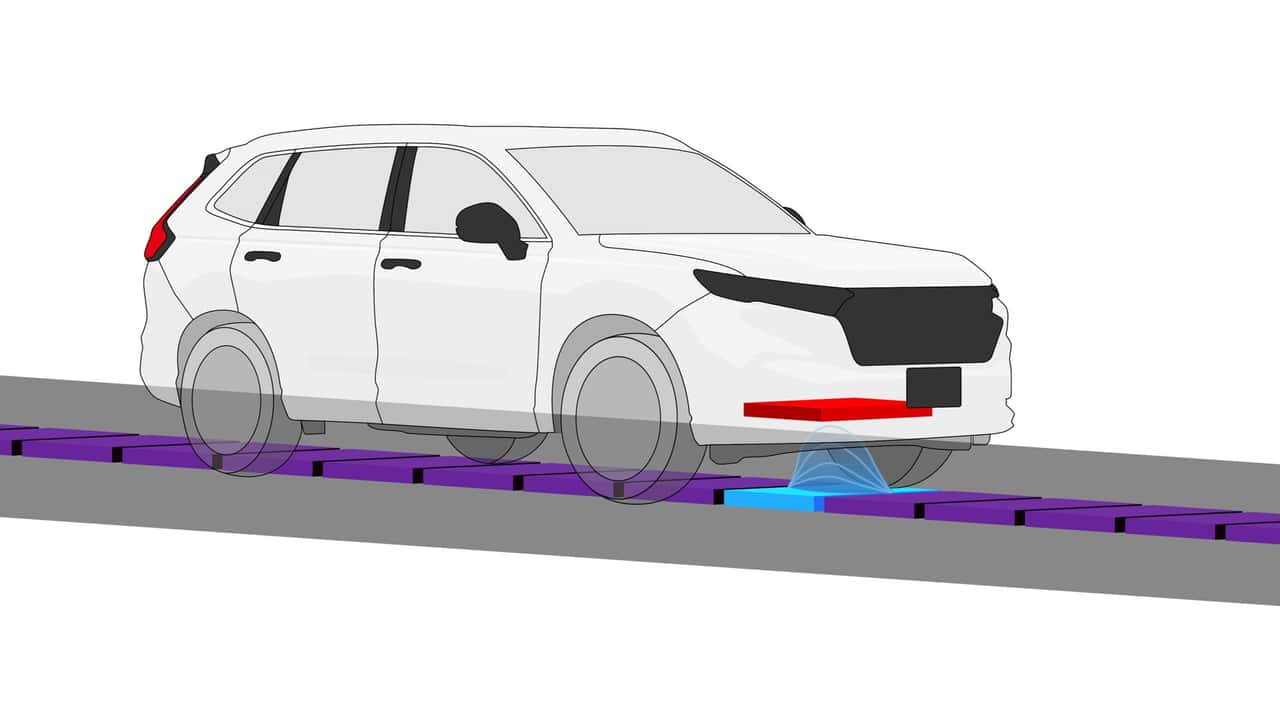
Photo by: Honda
Brian Potter 
By: Brian Potter
Oct 7, at 2:08am ET
Add Motor1.com as a preferred source in Google
- (https://twitter.com/intent/tweet?url=https%3A%2F%2Fwww.motor1.com%2Fnews%2F810998%2Fhonda-dynamic-wireless-charging-road%2F&text=Honda%20Builds%20Roads%20That%20Charge%20EVs%20While%20They%20Drive&via=motor1com)
- copy
Share
Comment
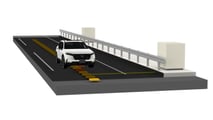
Honda does not want electric vehicles to pull over and plug in. It wants the road to send power to the car while it keeps moving, and that idea is moving from a closed test track to Japan's public highways.
Honda, Taisei Corporation, and Taisei Rotec have built a system that wirelessly charges electric vehicles (EVs) while they drive. Logistics and commercial trucks are first in line for public-road trials in Japan's 2027 fiscal year, which starts April 1, 2027.
Honda's Dynamic Wireless Charging Road Moves Into Testing

Honda Wireless Power Transfer Road System
Photo by: Honda
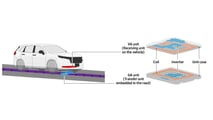
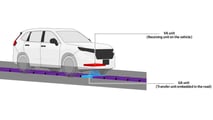
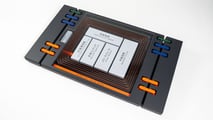
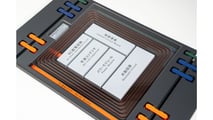
The setup embeds transmitter coils in the pavement. They create a magnetic field that a receiver on the vehicle turns back into electricity. Honda builds the hardware on both sides and feeds it with direct current (DC).
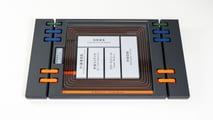
Honda says these units are the first to put the inverter and coil in one package. That lowers the parts count and the amount of roadwork needed to install each unit. It also makes it easier to install them into existing roads instead of building new lanes from scratch.
Taisei supplies a fast-responding DC power system for the embedded coils. Taisei Rotec develops the construction methods to install the hardware in existing pavement without weakening the road surface.
Honda has worked on dynamic wireless power transfer since 2021 and, with its partners, has focused on this magnetic coupling road system since 2025. The company already runs Honda Charge in Japan as a separate EV charging network.
Honda also sees its upcoming electric SUV lineup as a future candidate for this charging road, once the system is proven on the commercial trucks that remain the first target.
Honda's Late-2026 Test Track Will Check Durability And Safety
Honda Wireless Power Transfer Road System - VA unit
Photo by: Honda
Before any public demo, the hardware has to prove it can survive heavy trucks. An earlier Taisei test road in Satte already showed the embedded units and pavement can carry vehicles weighing about 44,000 pounds, which matches the heavier trucks Honda wants to serve first.
A second test track at Taisei's T-FIELD/TAMURA site, planned from late 2026, turns that up. Real vehicles will put the system through 1 million wheel-load cycles at 11,000 pounds per wheel to simulate years of punishment in a shorter test.
Engineers will also measure electromagnetic-field leakage at that site. Any road that moves power into a vehicle has to pass that safety check before it opens to regular traffic.
What do you think?
View
Comments
Later trials will raise power output to as much as 150 kilowatts for large commercial vehicles. They will also check if the system can keep charging while a vehicle runs at highway speed, since power level and speed together decide whether this works for real-world trucks or only slow test vehicles.
If the durability and safety work clears, Honda and its partners plan to join the Tateyama Project, an East Nippon Expressway (NEXCO East) trial on 300 meters (about 984 feet) of the E14 Tateyama Expressway near the Kimitsu rest area in Chiba, starting in fiscal 2027. Road-installation cost and long-term maintenance still have to pencil out before anyone talks about wider use.
Gallery: Honda Wireless Power Transfer Road System
10
Source: Honda
More From Honda:
Toyota Camry And Honda Accord Lead A Surprise Sedan Comeback In 2026
Honda Improves The Civic Type R In The US After Killing It In Europe
Honda Just Raised The Passport TrailSport Price By $1,645
Honda Wants A New Three-Row Flagship SUV Bigger Than The Pilot
Source: Honda
We want your opinion!
What would you like to see on Motor1.com?
Take our 3 minute survey.
- The Motor1.com Team
Share this Story
- (https://twitter.com/intent/tweet?url=https%3A%2F%2Fwww.motor1.com%2Fnews%2F810998%2Fhonda-dynamic-wireless-charging-road%2F&text=Honda%20Builds%20Roads%20That%20Charge%20EVs%20While%20They%20Drive&via=motor1com)
- copy
GO TO COMMENTS
(
)
Got a tip for us? Email: tips@motor1.com
View all comments ( )
Popular
What Does WD-40 Actually Do?
BMW’s Biggest SUV Yet Could Rival The Escalade. Here’s Everything We Know
The Tesla Roadster Is Finally Here After Nearly Nine Years Of Waiting
This Is Porsche's Supercar Of The Future: The Mission S
Porsche's New Supercar Has An 'On Your Own' Button And Other Cool Features
The New Tesla Roadster Looks Nothing Like The Concept
latest articles
- Cadillac Escalade-V Gets An Extreme Makeover From Larte Oct 16 - Aftermarket / Tuning -
- Woman Goes To 76 Gas Station. Then She Enters A Secret Code To Preset How Much She Wants To Pump Oct 16 - Trending -
- Maserati GT2 Stradale Fuoriserie: A One-Off Tribute To The MC12 Oct 16 - Supercars -
- The New Tesla Roadster Looks Nothing Like The Concept Oct 16 - Design -
- Tesla Flips The Roadster Upside Down In Crazy Flying Demo Oct 16 - Technology -
- AutoZone Worker Posts Company Secret. It Costs Him His Job: 'Didn't Keep His Identity Short' Oct 16 - Trending -
- 2027 Kia Sorento Hybrid Gets Pricing, Adds New X-Line EX Trim Oct 16 - Pricing -
RECOMMENDED FOR YOU
10 SUVs That Get 30 MPG Without Hybrid Power
Woman Goes To 76 Gas Station. Then She Enters A Secret Code To Preset How Much She Wants To Pump
Woman Drives Honda Accord. Then Her Dashboard Reads: 'Power May Be Reduced. See Your Dealer'
Maserati GT2 Stradale Fuoriserie: A One-Off Tribute To The MC12
Honda Reveals The Name And First Details Of Its Next-Generation Hybrid System
The New Tesla Roadster Looks Nothing Like The Concept
2026 Paris Motor Show: What To Expect