Home
Dodge
Charger
Features
Does Your Car Actually Get Worse MPG In The Winter?
Cold temperatures affect everything from engine warm-up times and tire pressure to aerodynamics, traffic, and fuel blends.
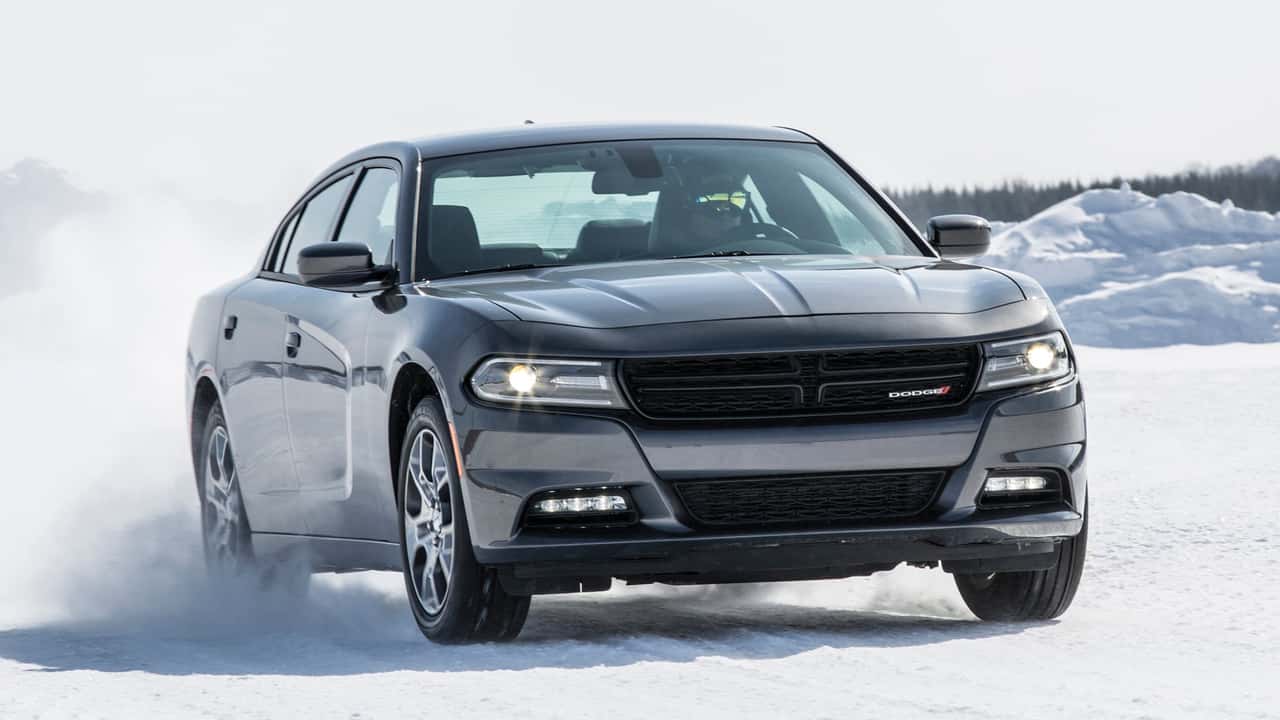
Photo by: Dodge
Dan Mihalascu 
By: Dan Mihalascu
Oct 5, at 11:00am ET
Add Motor1.com as a preferred source in Google
- (https://twitter.com/intent/tweet?url=https%3A%2F%2Fwww.motor1.com%2Ffeatures%2F810731%2Fwhy-your-car-gets-worse-mpg-in-winter%2F&text=Does%20Your%20Car%20Actually%20Get%20Worse%20MPG%20In%20The%20Winter%3F&via=motor1com)
- copy
Share
Comment
If your car seems to burn through fuel faster when temperatures drop, you're not imagining it. Cold weather can reduce fuel economy—for several reasons. From denser air and longer warm-up times to lower tire pressures and the extra energy needed to keep you comfortable, your car may see MPGs drop come wintertime.
The effect varies depending on the vehicle, driving conditions, and how cold it gets, but winter can make a noticeable difference in how far you travel on a tank of fuel.

Dodge Charger SXT AWD
Photo by: Dodge
Cold Engines Are Less Efficient
One of the biggest reasons for worse winter fuel economy happens before your engine even reaches its normal operating temperature.
Engines are most efficient once they're warmed up. When it's cold outside, it takes longer for the engine, oil, and other components to reach their ideal temperatures. During that warm-up period, the engine may use more fuel than it would during the same trip in warmer weather.
Short trips can make the effect even more noticeable. If you're only driving a few miles to work or the store, your engine may spend a significant portion of the journey warming up instead of operating at peak efficiency.
Modern engines are much better at managing cold starts than older designs, but they still can't completely escape the laws of thermodynamics.
Cold Air And Low Tire Pressure Don't Help
Winter also changes the physical conditions your car has to deal with. Cold air is denser than warm air, which can increase aerodynamic drag. At highway speeds, that extra resistance means the engine has to work harder to maintain the same speed.
Then there's tire pressure. As temperatures fall, the air inside your tires contracts, lowering their pressure. Underinflated tires create more rolling resistance, which can reduce fuel economy. Keeping your tires properly inflated is one of the simplest things you can do to limit winter MPG losses.
A few other winter-related factors can also add up:
- Snow and slush: Driving through snow, slush, or standing water increases resistance.
- Cold engine oil: Oil becomes thicker when it's cold, increasing internal friction until the engine warms up.
- Heater use: The cabin heater itself generally uses waste engine heat in a gasoline car, but accessories such as the blower, heated seats, and heated windshield can increase the vehicle's electrical load.
- Idling: Letting the engine run while parked burns fuel without adding any miles to the trip.
- Winter fuel: Seasonal fuel blends can have slightly different energy content and can contribute to changes in fuel economy.
Winter Driving Usually Means More Stop-And-Go
It's not just the temperature that's working against your MPG. Winter often brings slower traffic, slippery roads, longer commutes, and more time spent idling at intersections. Snow and ice can also make drivers accelerate and brake differently than they would in dry conditions.
All of that matters because steady-speed driving is generally more efficient than repeatedly accelerating, braking, and sitting in traffic.
Even something as simple as warming up the car in the driveway can affect your fuel-economy numbers. If the engine runs for 10 minutes before you drive away, you've consumed fuel but traveled zero miles.
That's especially significant for short trips, where the fuel burned during warm-up represents a larger share of the total fuel used.
How Much MPG Do You Lose In Winter?
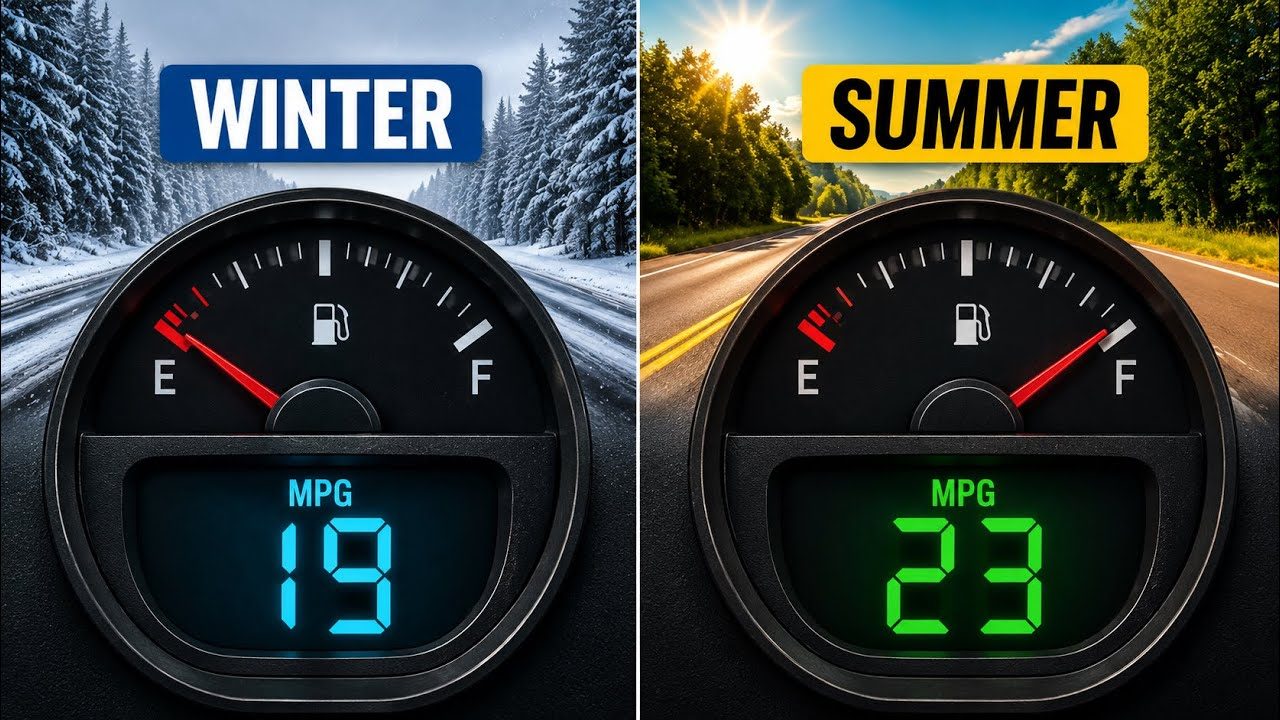
There's no single number that applies to every car.
A small gasoline car making short trips in freezing temperatures can see a much larger drop than a vehicle driven for long highway journeys in moderately cool weather. Hybrid vehicles can also behave differently because cold temperatures affect their batteries and regenerative-braking systems.
The important point is that winter fuel economy can be noticeably worse even when nothing is wrong with your car.
If your MPG drops dramatically, however, it's worth checking the basics. Low tire pressure, a malfunctioning thermostat, worn spark plugs, a dirty air filter, dragging brakes, or other mechanical problems can also hurt fuel economy.
Drivers Notice The Winter MPG Drop
Reddit users have been noticing the same seasonal pattern for years. In a 2024 r/CarTalkUK discussion, one driver said their Hyundai i30 N normally returned 27–28 mpg but dropped to around 24–25 mpg during colder weather. Other users explained that longer engine warm-up times and short journeys can make the difference particularly noticeable.
A 2025 discussion on r/askcarguys produced a similar list of suspects. Redditors pointed to winter-blend fuel, more idling while warming up the car or clearing windows, thicker fluids, lower tire pressures, and cold-start enrichment. One commenter summed it up as “a lot of little things” adding up to a noticeable loss in MPG.
Photo by: Dodge
How To Get Better MPG In Cold Weather
You can't make winter disappear, but you can reduce some of its impact.
Keep your tires at the pressure recommended by the vehicle manufacturer, avoid unnecessary idling, combine short trips when possible, and drive smoothly. If you're clearing snow and ice from the car, remove it before driving rather than carrying unnecessary weight and aerodynamic drag.
For gasoline-powered cars, there's also usually no need to let the engine idle for a long time just to warm it up. In most modern vehicles, a brief start-up followed by gentle driving allows the engine to reach operating temperature more efficiently.
What do you think?
View
Comments
And don't be surprised if your fuel-economy display looks worse in January than it did in July. Cold temperatures, short trips, winter roads, and extra accessory use can all take their toll.
So if your car gets worse MPG in winter, it doesn't necessarily mean something is broken. In many cases, it's simply the price of driving an internal-combustion vehicle through cold weather.
More From Motor101
There's A Reason White Cars Are Everywhere
Why Would The Check Engine Light Come Back After A Repair?
Why Is It Called A Glovebox? The Name Goes Back More Than 100 Years
What Is An Over-The-Air Update? And How Do They Work?
We want your opinion!
What would you like to see on Motor1.com?
Take our 3 minute survey.
- The Motor1.com Team
Share this Story
- (https://twitter.com/intent/tweet?url=https%3A%2F%2Fwww.motor1.com%2Ffeatures%2F810731%2Fwhy-your-car-gets-worse-mpg-in-winter%2F&text=Does%20Your%20Car%20Actually%20Get%20Worse%20MPG%20In%20The%20Winter%3F&via=motor1com)
- copy
GO TO COMMENTS
(
)
Got a tip for us? Email: tips@motor1.com
View all comments ( )
Popular
Bugatti Restores One-Off Veyron With A Mirror-Like Aluminum Body
BMW Kept This Hatchback A Secret For Decades
Skoda Wants You To 3D Print Pieces Of Your Car At Home
The Gas BMW M3 Isn't Dead: Next-Gen Prototype Roars
latest articles
- BMW Already Has A Deal On The New i3. But It's Not Cheap Oct 20 - Pricing -
- Remember The Ford Flex? This Weird SUV Is Now A Great Used Buy Oct 20 - Why Buy? -
- Mercedes Isn't Sold On Extended-Range EVs: 'Would You Really Switch?' Oct 20 - Interview -
- Cadillac Driver Is Fed Up With Auto Stop. Then She Buys A $9 Item On Amazon To Disable It Oct 20 - Trending -
- Bugatti Restores One-Off Veyron With A Mirror-Like Aluminum Body Oct 20 - Supercars -
- Lexus NX Goes Hybrid Only For 2027 Oct 20 - Official -
- Who Were The Pep Boys, Anyway? Oct 20 - Motor101 -
RECOMMENDED FOR YOU
Dodge Is Finally Coming Back To NASCAR: Report
BMW Already Has A Deal On The New i3. But It's Not Cheap
A New Dodge Charger SRT Hellcat Could Return By End Of 2027
Remember The Ford Flex? This Weird SUV Is Now A Great Used Buy
Car Salesman Says Customer Came In Looking To Buy A Dodge Charger. Now He Has A Message For Jose’s Girl: ‘If You Live In Austin…’
Mercedes Isn't Sold On Extended-Range EVs: 'Would You Really Switch?'
Man Gets Into His Dodge Truck. Then His Push-To-Start Ignition Won't Work