Home
News
Why Some Cars Might Ditch Rear Windows Entirely
With better cameras and bigger screens, some companies are removing rear windows entirely. What does that mean for the future of car design?
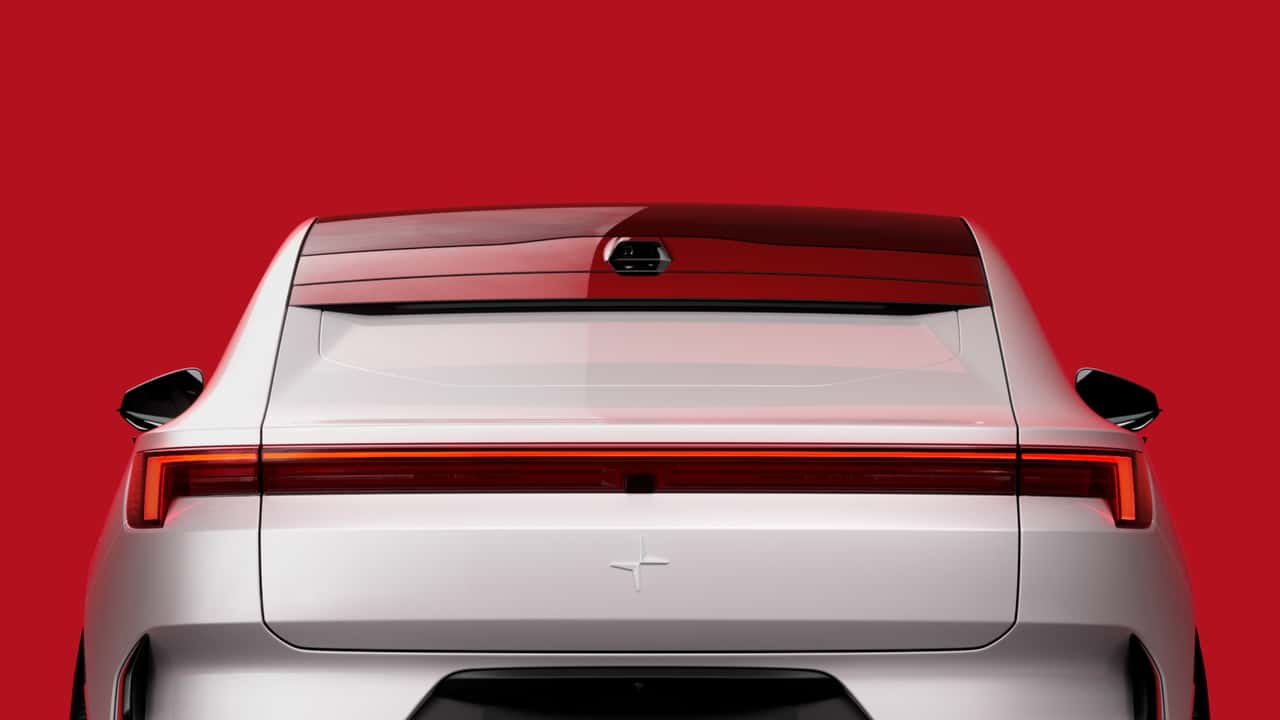
Photo by: Polestar

By: Sergio Chierici
Translated by: Jeff Perez
Jan 13, at 2:00pm ET
Add Motor1.com as a preferred source in Google
- (https://twitter.com/intent/tweet?url=https%3A%2F%2Fwww.motor1.com%2Fnews%2F784152%2Fend-of-the-rear-window%2F&text=Why%20Some%20Cars%20Might%20Ditch%20Rear%20Windows%20Entirely&via=motor1com)
- copy
Share
Comment
Designing a car without a rear window might sound crazy at first—but it’s actually becoming more realistic than you’d expect. Thanks to better rearview cameras and bigger, sharper displays inside the cabin, something that once felt impossible is now totally viable: ditching the rear glass altogether.
The Polestar 4 is the first production car to fully commit to this idea, but it’s far from alone. Concept cars from Jaguar and Audi—and even a few ultra-rare Ferraris—show that this isn’t a one-off experiment. Rear windows may genuinely be on their way out.
And the reasons behind this shift are a lot more interesting (and technical) than they seem at first glance.
Polestar 4: Leading The Charge
The Polestar 4 is the first production car to completely eliminate the rear window. There’s no glass, no hidden opening—just a solid rear section.
Instead, Polestar relies on a wide-angle HD camera that feeds a live image to the digital rearview mirror. It’s a bold move, but one driven by practicality rather than shock value.
Without a rear window, designers can stretch the roofline, improve aerodynamics, and create more headroom for rear passengers. The fastback shape looks cleaner, sure—but it also improves visibility. The camera isn’t blocked by passengers, headrests, rain, or the body shape itself, meaning the view out back is actually clearer than before.
Jaguar Type 00: Style First

Jaguar Type 00
Photo by: Jaguar
Jaguar’s Type 00 concept, unveiled in 2024, caused plenty of debate—and for good reason. It’s a great example of how removing the rear window can dramatically change a car’s look, especially something sporty.
The rear is fully enclosed, with horizontal design elements built into the lower section of the tail. This isn’t about pure function—it’s a design statement. The roof flows cleanly into the rear with no visual break, and cameras handle all rearward visibility, just like in the Polestar.
The Type 00 shows what’s possible when designers remove a rule that’s been around for over a century. Whether Jaguar carries these ideas into production cars is still an open question.
Audi & Ferrari: Function Meets Drama
Audi Concept C
Photo by: Audi
Audi’s Concept C takes a slightly different approach. Instead of a traditional rear window, it uses three narrow horizontal slots. There’s no large glass surface at all—the goal is a smoother, more aerodynamic rear end, with cameras doing the work instead.
It hints at where Audi could be heading and fits nicely with the brand’s long-standing focus on aerodynamics and clean design. How much of it reaches production remains to be seen.
Ferrari, unsurprisingly, goes even further. The 812 Competizione removes the rear glass entirely, replacing it with a solid aluminum panel complete with vortex generators to manage airflow and boost downforce. There’s zero transparency—just performance-focused design and camera-based visibility.
Ferrari SP48 Unica
The same thinking applies to Ferrari’s one-off SP38 and SP48 Unica models, where the rear ends are treated as sculpted, uninterrupted surfaces shaped entirely by aerodynamics.
Even the newer 12Cilindri follows this trend. While it technically still has rear glass, it’s almost swallowed by the design—used more as a visual element than a window.
Cameras Are Changing Car Design
This move away from rear windows isn’t just a futuristic gimmick. It’s the result of two technologies finally being good enough: external HD cameras and high-resolution interior displays. Once visibility no longer depends on glass, designers are free to rethink the entire rear of the car.
What do you think?
View
Comments
The benefits are obvious: better aerodynamics, more design freedom, fewer structural compromises, and no fragile glass panel at the back. The Polestar 4 kicked the door open, while Jaguar, Audi, and Ferrari are all exploring the idea in their own ways.
What a rear-window-free future actually looks like is still up in the air—but it’s clearly closer than we thought.
More Design News
Here's Why The Ferrari 849 Testarossa's Interior Is So Good
This Modern Testarossa Concept Is What Ferrari Should've Built
We want your opinion!
What would you like to see on Motor1.com?
Take our 3 minute survey.
- The Motor1.com Team
Share this Story
- (https://twitter.com/intent/tweet?url=https%3A%2F%2Fwww.motor1.com%2Fnews%2F784152%2Fend-of-the-rear-window%2F&text=Why%20Some%20Cars%20Might%20Ditch%20Rear%20Windows%20Entirely&via=motor1com)
- copy
GO TO COMMENTS
(
)
Got a tip for us? Email: tips@motor1.com
View all comments ( )
Popular
Bugatti Restores One-Off Veyron With A Mirror-Like Aluminum Body
BMW Kept This Hatchback A Secret For Decades
Skoda Wants You To 3D Print Pieces Of Your Car At Home
The Gas BMW M3 Isn't Dead: Next-Gen Prototype Roars
latest articles
- The 2027 Honda Passport TrailSport Looks Noticeably Taller Next To Last Year's Model Oct 20 - Off-Road -
- 12 Cars With Names That Make Absolutely No Sense Oct 20 - Lists -
- The Ford Ranger Is Getting A Bigger V6 For 2027: Report Oct 20 - Rumors -
- BMW Already Has A Deal On The New i3. But It's Not Cheap Oct 20 - Pricing -
- Remember The Ford Flex? This Weird SUV Is Now A Great Used Buy Oct 20 - Why Buy? -
- Mercedes Isn't Sold On Extended-Range EVs: 'Would You Really Switch?' Oct 20 - Interview -
- Cadillac Driver Is Fed Up With Auto Stop. Then She Buys A $9 Item On Amazon To Disable It Oct 20 - Trending -
RECOMMENDED FOR YOU
Polestar 2026 US Inventory Is Almost Sold Out As Ban Nears
Remember The Ford Flex? This Weird SUV Is Now A Great Used Buy
Audi Q7 Earns A Perfect 100 Percent Euro NCAP Post-Crash Score
Mercedes Isn't Sold On Extended-Range EVs: 'Would You Really Switch?'
Audi A8 Isn’t Dead Yet, But Its Future Looks Very Different
Cadillac Driver Is Fed Up With Auto Stop. Then She Buys A $9 Item On Amazon To Disable It
2026 Paris Motor Show: What To Expect