Home
Chevrolet
Features
What Happens To Concept Cars After The Auto Show Is Over? Sadly, Not All Of Them Survive
A concept car's life doesn't end when the auto show closes. Some become museum treasures, while others are dismantled, crushed, or sold.
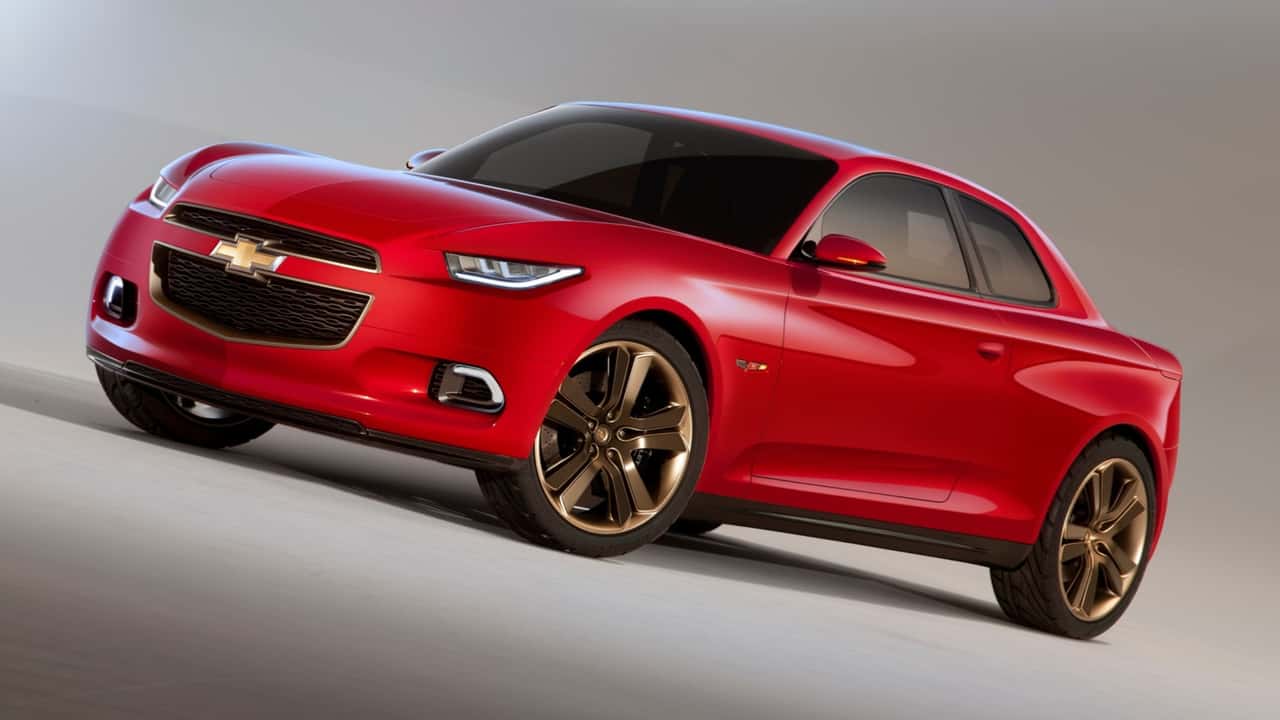
Photo by: Chevrolet
Dan Mihalascu 
By: Dan Mihalascu
Nov 25, at 1:30pm ET
Add Motor1.com as a preferred source in Google
- (https://twitter.com/intent/tweet?url=https%3A%2F%2Fwww.motor1.com%2Ffeatures%2F816718%2Fwhat-happens-to-concept-cars-after-an-auto-show%2F&text=What%20Happens%20To%20Concept%20Cars%20After%20The%20Auto%20Show%20Is%20Over%3F%20Sadly%2C%20Not%20All%20Of%20Them%20Survive&via=motor1com)
- copy
Share
Comment
Concept cars are often the biggest attractions at major auto shows. They feature futuristic designs, experimental technology, unusual interiors, and sometimes outrageous performance claims that make production vehicles look rather ordinary.
Automakers spend millions developing these showpieces, but what happens to them once the auto show is over? The answer is not always straightforward.
Some concept cars are carefully preserved, others become engineering test vehicles, and a surprising number end up dismantled or destroyed. While a handful eventually find their way into museums or private collections, most concepts have a much shorter lifespan than their glamorous public appearances might suggest.
Some Concept Cars Are Stored In Manufacturer Collections
One of the most common destinations for important concept cars is an automaker's private collection. Manufacturers regularly preserve historically significant prototypes because they represent important milestones in their design and engineering history.
Companies such as Mercedes-Benz, BMW, and Ford maintain collections of historic vehicles, including concept cars that helped shape their future production models.
These vehicles may occasionally appear at special exhibitions, anniversary celebrations, automotive events, or museum displays. Some are also brought out for promotional campaigns, allowing the public to see designs that might otherwise remain hidden inside manufacturer facilities.
However, keeping a concept car is not always simple. Even when a vehicle never reaches production, it still requires storage, maintenance, and protection from environmental damage. Experimental materials, electronics, and mechanical components can also make long-term preservation particularly challenging.
Not Every Concept Car Is Built To Be Driven
One common misconception about concept cars is that they are all fully functional vehicles. In reality, some are little more than elaborate design models created specifically for display purposes. They might have impressive-looking interiors, futuristic dashboards, and dramatic bodywork, but no working engine or transmission.
According to Nissan's former public relations representative Dan Bedore, speaking with InsideHook, many concept cars aren't even technically cars. Some are constructed using plywood and aluminum underpinnings, with fiberglass body panels that aren't designed to withstand years of exposure to changing temperatures and humidity.
Concept cars generally fall into several categories:
- Full-scale design models: Built primarily to showcase a vehicle's appearance, with little or no functional mechanical equipment.
- Rolling show cars: Feature working wheels and basic components but aren't necessarily capable of driving independently.
- Fully functional prototypes: Have working engines, transmissions, and other mechanical systems, although they might not be road legal.
- Engineering test vehicles: Used to evaluate experimental technologies and components before they potentially reach production.
Even fully operational concepts aren't necessarily suitable for public roads. Many haven't undergone crash testing, may not meet emissions regulations, and lack the safety equipment required for road registration.
Some Concept Cars Are Eventually Destroyed
Unfortunately, not every concept car gets preserved. Once a vehicle has completed its auto show appearances and promotional duties, an automaker might decide that keeping it simply is not worth the hassle.
Storage space, maintenance costs, liability concerns, and the protection of confidential technology can all influence that decision. Some show cars are dismantled, while others are deliberately crushed to prevent experimental designs and components from entering the public market.
BMW offers an interesting look at this process through its Recycling and Dismantling Centre in Germany. The facility processes several thousand vehicles annually, primarily pre-production test cars that have completed their development work and aren't suitable for resale. Components and materials are recovered wherever possible before the remaining vehicle is dismantled.
It's important to distinguish these development prototypes from concept cars displayed at auto shows, but the process illustrates why manufacturers don't necessarily preserve every experimental vehicle they build.
Some Concept Cars End Up In Museums Or Become Valuable Collectibles
Fortunately, some concept cars enjoy a much happier ending. Historically significant vehicles can become part of manufacturer heritage collections, automotive museums, or private collections. One famous example is the 1955 Lincoln Futura, which was transformed into the original Batmobile used in the 1960s Batman television series.
Other concepts have been rescued from surprisingly unfortunate situations. In 2024, General Motors donated its neglected 2001 Pontiac REV concept to the Pontiac Transportation Museum after the one-off vehicle was spotted sitting in a scrapyard. The museum announced plans to restore it, giving the unusual prototype another chance at life.
These examples demonstrate why preserving concept cars matters. They aren't simply expensive showpieces; they offer a glimpse into the design ideas, engineering experiments, and technological ambitions of their respective eras.
What Do Enthusiasts Think Happens To Concept Cars?
Concept cars disappearing after auto shows is a topic that has sparked plenty of discussion on Reddit. In a thread on r/cars, enthusiasts discussed how many forgotten show cars end up sitting in manufacturer storage facilities before eventually being dismantled or destroyed. Some also pointed out that these vehicles serve internal design and engineering purposes long after their public appearances.
The possibility of automakers crushing their own creations has generated even stronger reactions. In discussions on r/cars and r/WeirdWheels, users expressed disappointment after two Nissan concept vehicles were discovered in a Tennessee scrapyard. Another discussion about the 2001 Pontiac REV concept highlighted how enthusiasts would rather see historically significant prototypes preserved in museums than sent to the crusher.
Interestingly, Redditors also pointed out that not every vehicle displayed at an auto show meets the same fate. In a discussion on r/cars, users explained that some are returned to dealerships, sold as used vehicles, or retained by manufacturers, while experimental prototypes are more likely to be destroyed. Ultimately, a concept car's fate depends on its construction, legal status, and historical importance.
Can You Actually Buy A Concept Car?
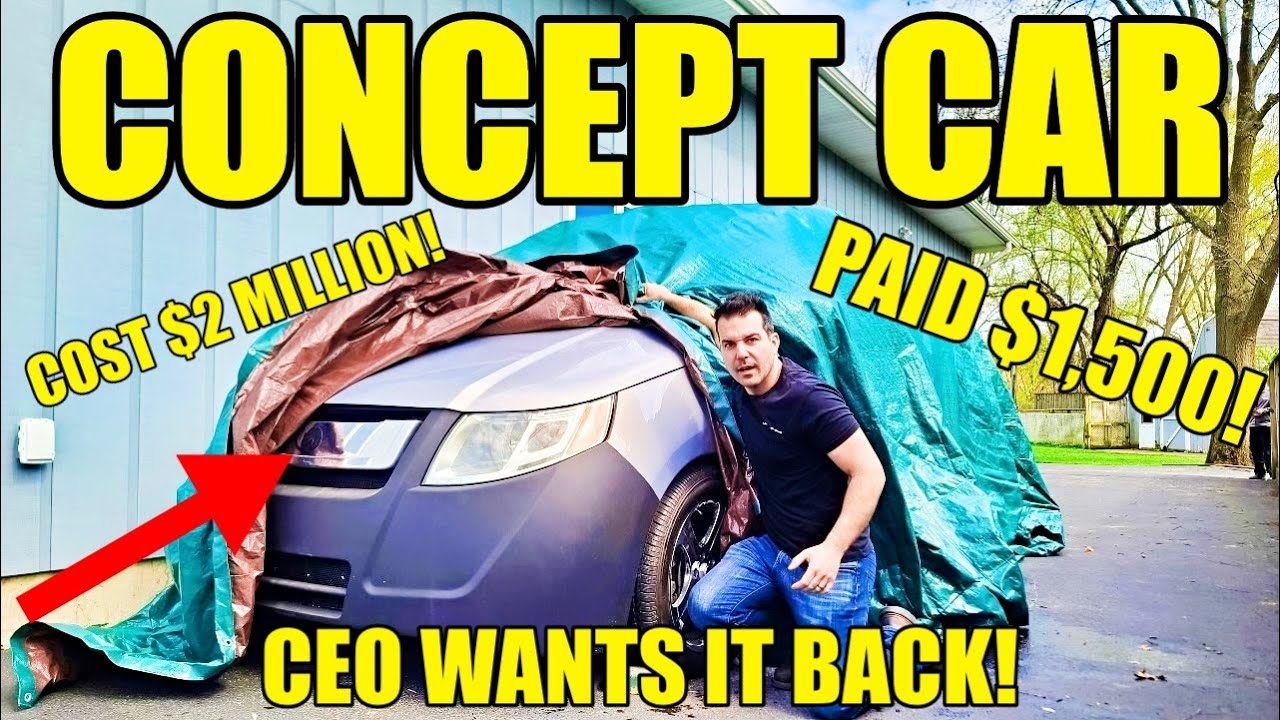
Believe it or not, some concept cars eventually become available to private collectors. However, purchasing one is not as straightforward as buying a production vehicle at an auction.
Automakers are often reluctant to sell their experimental creations because of liability concerns, intellectual property, and the possibility that unfinished technology could be exposed. Even when a manufacturer agrees to release a vehicle, its new owner might face significant challenges getting it running or making it road legal.
There are also major differences between individual concepts. Some have functional engines and drivetrains, while others are essentially rolling sculptures. Finding replacement components can be particularly difficult because many parts were handmade specifically for a single vehicle.
What do you think?
View
Comments
Still, surviving concept cars can become incredibly valuable. Their rarity, historical significance, and unusual designs make them attractive to wealthy collectors and museums.
Ultimately, what happens to a concept car after an auto show depends on how much its manufacturer values it. Some are preserved for future generations, others are sold to collectors, and many quietly disappear. For every futuristic show car that eventually becomes a production model, there's another that never gets a second appearance.
More From Motor101
 All-Season Vs All-Weather Tires: What’s The Difference?
How Does A Turbocharger Actually Make More Power?
No, BMW's Logo Isn't Actually An Airplane Propeller
Your Engine Can't Do Its Job Without A Transmission
We want your opinion!
What would you like to see on Motor1.com?
Take our 3 minute survey.
- The Motor1.com Team
Share this Story
- (https://twitter.com/intent/tweet?url=https%3A%2F%2Fwww.motor1.com%2Ffeatures%2F816718%2Fwhat-happens-to-concept-cars-after-an-auto-show%2F&text=What%20Happens%20To%20Concept%20Cars%20After%20The%20Auto%20Show%20Is%20Over%3F%20Sadly%2C%20Not%20All%20Of%20Them%20Survive&via=motor1com)
- copy
GO TO COMMENTS
(
)
Got a tip for us? Email: tips@motor1.com
View all comments ( )
Popular
12 Underrated Performance Cars That Nobody Bought
Acura Is Building An 'Adventure-Ready' SUV. Here's Everything We Know
Toyota's Baby Land Cruiser Goes Full Off-Road Mode
Subaru's New Manual WRX Is Already Insanely Popular In Japan
Hyundai's New Tucson Finally Gets A Hybrid Off-Road Trim
Latest Stories
- What Happens To Concept Cars After The Auto Show Is Over? Sadly, Not All Of Them Survive Nov 25 - Motor101 -
- Gordon Ramsay Is Top Gear’s New Lead Host Nov 25 - Celebrity / Entertainment -
- Acura Is Building An 'Adventure-Ready' SUV. Here's Everything We Know Nov 25 - Everything We Know -
- Subaru's New Manual WRX Is Already Insanely Popular In Japan Nov 25 - Special Editions -
- Volvo Invented The Modern Seatbelt. Then Gave Away The Idea For Free Nov 25 - Motor101 -
- Hyundai's New Tucson Finally Gets A Hybrid Off-Road Trim Nov 25 - First Look -
- Volkswagen Adds Sporty R-Line Treatment To ID. Cross Nov 25 - First Look -
RECOMMENDED FOR YOU
This Corvette Sat Abandoned For 25 Years. Then It Got Its First Deep Clean
Gordon Ramsay Is Top Gear’s New Lead Host
This Chevy Engine's Timing Belt Should Last 150,000 Miles. A Teardown Says Otherwise
Acura Is Building An 'Adventure-Ready' SUV. Here's Everything We Know
Chip Foose Rebuilds Fire-Destroyed 1955 Chevy With LS3 V8
Subaru's New Manual WRX Is Already Insanely Popular In Japan
GM Is Quietly Looking For Its Next CEO: Report