Home
Features
Motor101
How Does A Turbocharger Actually Make More Power?
How can a small engine deliver big power? The answer lies in exhaust gases, compressed air, and a clever bit of engineering.
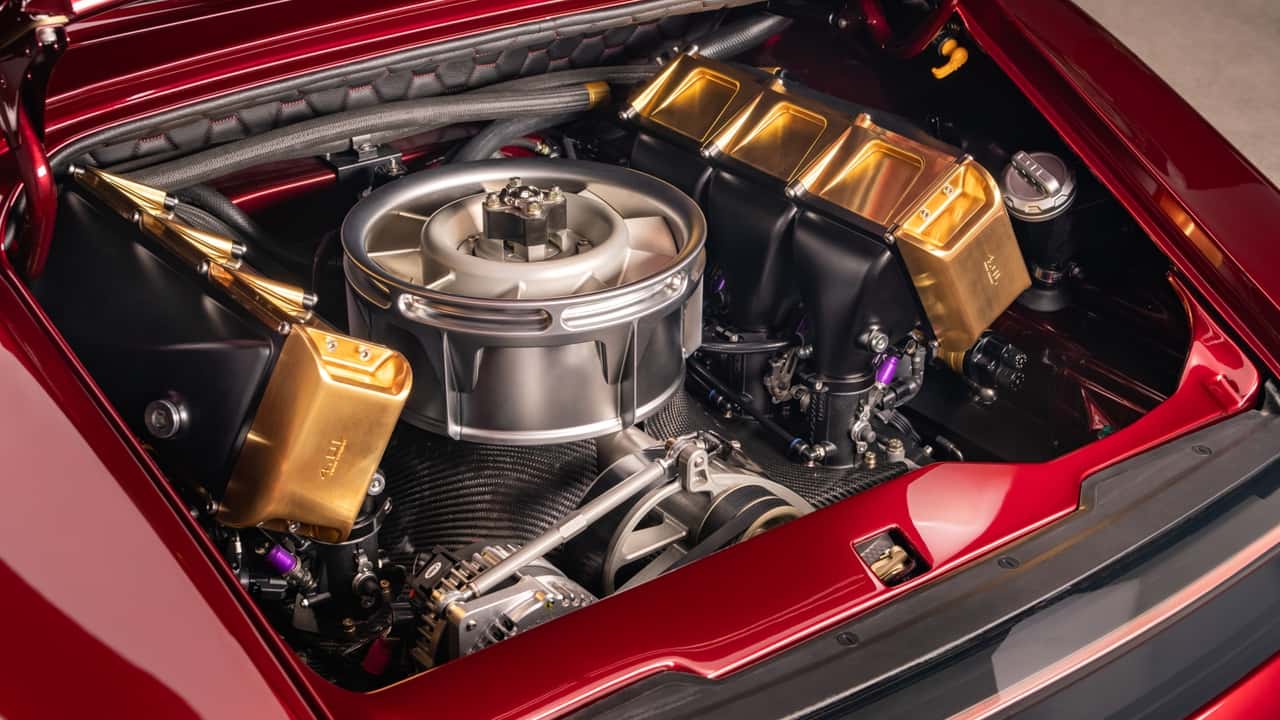
Photo by: Gunther Werks
Dan Mihalascu 
By: Dan Mihalascu
Nov 24, at 6:00pm ET
Add Motor1.com as a preferred source in Google
- (https://twitter.com/intent/tweet?url=https%3A%2F%2Fwww.motor1.com%2Ffeatures%2F816394%2Fhow-does-a-turbocharger-actually-make-more-power%2F&text=How%20Does%20A%20Turbocharger%20Actually%20Make%20More%20Power%3F&via=motor1com)
- copy
Share
Comment
Turbochargers are everywhere these days. From relatively affordable compact cars to high-performance sports cars and massive pickup trucks, automakers have embraced turbocharging as a way to squeeze more performance out of smaller engines. But few drivers know exactly how a turbocharger manages that. After all, there's no extra displacement, and the engine is not necessarily getting any bigger.
The secret is actually pretty clever. A turbocharger uses energy from the engine's exhaust gases to force more air into its cylinders, allowing it to burn more fuel and produce more power. It's a relatively simple concept involving a pair of spinning wheels, a shared shaft, and some clever engineering. Here's how the whole process works and why it makes such a difference.
A Turbocharger Uses Exhaust Gases To Spin A Turbine
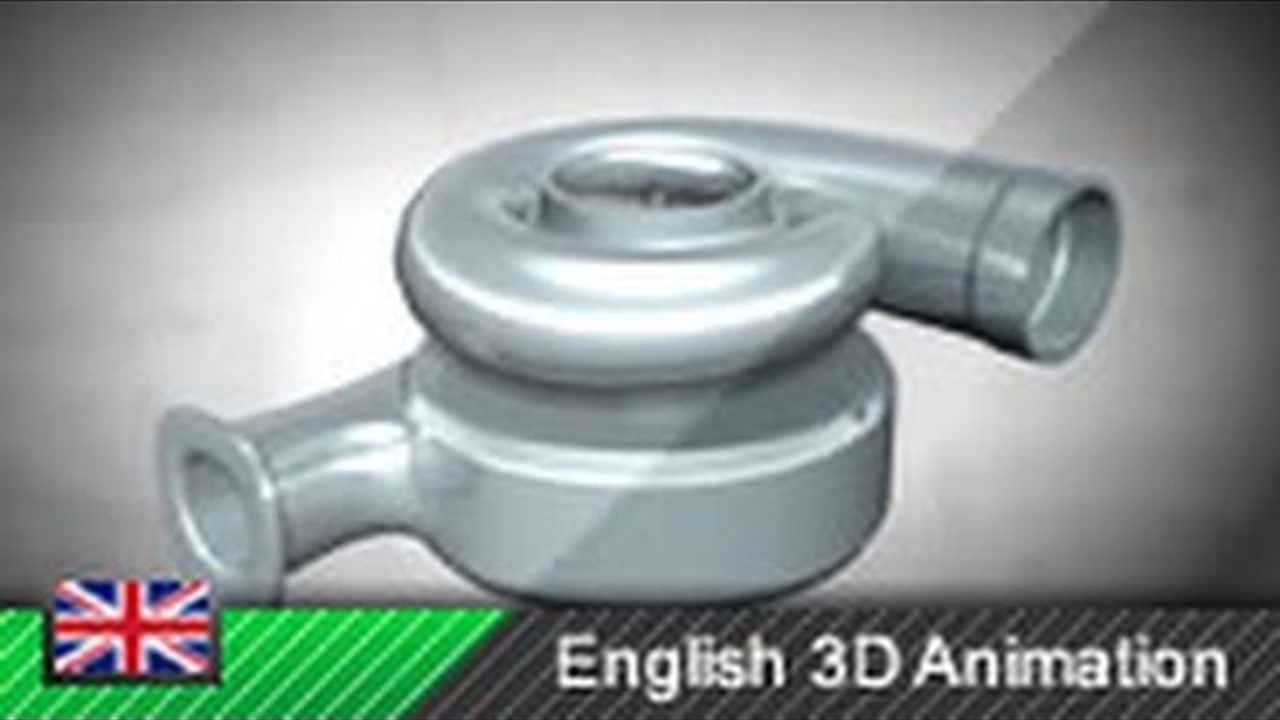
A conventional naturally aspirated engine relies on atmospheric pressure and the pistons' downward movement to draw air into its cylinders. There are limits to how much air it can take in, which ultimately restricts how much fuel it can burn and how much power it can produce.
A turbocharger changes that equation by using otherwise wasted exhaust energy. As hot exhaust gases leave the engine, they're directed through a housing containing a turbine wheel. The force of those gases makes the turbine spin at extremely high speeds.
That turbine is connected to a second wheel through a shared shaft. As the exhaust-driven turbine spins, it also rotates the compressor wheel on the opposite side of the turbocharger. This is where things get interesting because the compressor is responsible for pushing additional air into the engine.
The Compressor Forces More Air Into The Engine
The compressor wheel draws fresh air through the intake system and compresses it before sending it toward the engine's intake manifold. This increases the air's pressure and density, allowing the cylinders to receive a greater mass of air during each intake stroke.
That additional air contains more oxygen, which is exactly what an engine needs to burn more fuel. Since an engine's power output depends heavily on how much air and fuel it can combust, increasing the amount of both allows it to produce more power without increasing its displacement.
This is also why turbocharged engines can produce impressive horsepower figures despite having relatively small capacities. A turbocharged 2.0-liter engine, for example, can potentially produce more power than a naturally aspirated engine with considerably greater displacement.
An Intercooler Helps The Engine Make Even More Power
Compressing air has one unavoidable side effect: It heats it up. Hot air is less dense than cooler air, meaning it contains less oxygen in the same volume. That's not ideal when the goal is to get as much oxygen as possible into the engine.
That's where the intercooler comes in. It works somewhat like a radiator, cooling the compressed air before it enters the engine. Cooler, denser air allows more oxygen to reach the cylinders, helping the engine produce more power while also reducing the risk of engine-damaging knock.
Most modern turbocharged vehicles use an air-to-air or liquid-to-air intercooler. Both accomplish essentially the same thing, although their designs and cooling methods differ.
The Engine Needs More Fuel, And The Wastegate Keeps Boost Under Control
More air alone doesn't automatically translate into more horsepower. The engine also needs additional fuel to maintain the appropriate air-fuel mixture. Modern engine management systems monitor conditions such as intake pressure, temperature, engine speed, and throttle position to determine how much fuel to inject and how to manage ignition timing.
Several components work together to make sure the turbocharger operates safely and efficiently:
- Fuel injectors: Deliver additional fuel to match the increased amount of oxygen entering the cylinders.
- Wastegate: Regulates exhaust flow through the turbine to control boost pressure and prevent overspeeding.
- Boost control system: Helps maintain the desired intake pressure under different driving conditions.
- Engine control unit (ECU): Adjusts fuel delivery, ignition timing, and other parameters to protect the engine and optimize performance.
Without proper boost control, the turbocharger could overspeed and put excessive stress on the engine. The engine's computer also monitors operating conditions to protect components from excessive temperatures, pressure, and combustion knock.
Drivers Explain How Turbochargers Actually Make More Power
Reddit users have offered some surprisingly straightforward explanations of how turbochargers work. In one r/explainlikeimfive discussion, users broke it down to a simple principle: compressing intake air allows more oxygen into the cylinders, which means the engine can burn more fuel and generate additional power.
Another interesting discussion on r/cars tackled a common question: if a turbocharger creates exhaust backpressure, how can it actually improve engine performance? Users explained that the turbo recovers energy from exhaust gases that would otherwise be wasted, using it to drive the intake compressor.
There's also a discussion about turbo lag in which users explained why revving an engine without putting it under load doesn't necessarily build boost. The takeaway is that a turbocharger needs sufficient exhaust energy to spin up, which helps explain why maximum boost is not available instantly.
Why Doesn't A Turbocharger Deliver Instant Power?
If turbochargers are so effective, why don't they deliver maximum power the moment you press the accelerator? The answer is something called turbo lag.
A turbocharger needs sufficient exhaust gas flow to spin its turbine and build boost pressure. When engine speed is low or the driver suddenly demands acceleration, there can be a brief delay before the turbocharger produces the desired amount of boost. That's why some older turbocharged cars feel relatively sluggish before delivering a noticeable surge of power.
What do you think?
View
Comments
Modern engineering has helped reduce this effect through smaller, more responsive turbochargers, variable-geometry turbine designs, twin-scroll systems, and even electrically assisted turbochargers. Some manufacturers also use multiple turbochargers to improve responsiveness across a wider engine-speed range.
Ultimately, a turbocharger doesn't magically create horsepower. It allows an engine to burn more air and fuel by recovering some of the energy that would otherwise leave through the exhaust. That's what makes it possible for relatively small engines to deliver the kind of performance that once required much larger powerplants. And we're thankful for that.
More From Motor101
 What Happens If You Get A Speeding Ticket In Another Country?
Child Car Seats Expire Even If They Look Perfectly Fine. Here's Why
The World's Highest Paved Road Reaches An Almost Unbelievable Elevation
We want your opinion!
What would you like to see on Motor1.com?
Take our 3 minute survey.
- The Motor1.com Team
Share this Story
- (https://twitter.com/intent/tweet?url=https%3A%2F%2Fwww.motor1.com%2Ffeatures%2F816394%2Fhow-does-a-turbocharger-actually-make-more-power%2F&text=How%20Does%20A%20Turbocharger%20Actually%20Make%20More%20Power%3F&via=motor1com)
- copy
GO TO COMMENTS
(
)
Got a tip for us? Email: tips@motor1.com
View all comments ( )
Popular
New York Bans Car Subscriptions For Features Your Car Already Has, With Exceptions
I Drove Porsche's Electric Boxster Prototype. It's Still A Driver's Car
12 Underrated Performance Cars That Nobody Bought
Toyota's Baby Land Cruiser Goes Full Off-Road Mode
Toyota Isn't Even Halfway Done Developing Its Mid-Engined Coupe
Latest Stories
- How Does A Turbocharger Actually Make More Power? Nov 24 - Motor101 -
- Ineos Will Build Its Rugged Off-Roader In America Starting In 2028 Nov 24 - Manufacturing / Production -
- Your Engine Can't Do Its Job Without A Transmission Nov 24 - Motor101 -
- Toyota's Baby Land Cruiser Goes Full Off-Road Mode Nov 24 - Aftermarket / Tuning -
- The Next VW Golf R Could Have Two Types Of Boost Nov 24 - Manufacturing / Production -
- I Drove Porsche's Electric Boxster Prototype. It's Still A Driver's Car Nov 24 - First Drives -
- No, BMW's Logo Isn't Actually An Airplane Propeller Nov 24 - Motor101 -
RECOMMENDED FOR YOU
Your Engine Can't Do Its Job Without A Transmission
Ineos Will Build Its Rugged Off-Roader In America Starting In 2028
No, BMW's Logo Isn't Actually An Airplane Propeller
Toyota's Baby Land Cruiser Goes Full Off-Road Mode
All-Season Vs All-Weather Tires: What’s The Difference?
The Next VW Golf R Could Have Two Types Of Boost
Apple CarPlay Problems Are Annoying. Here's How To Fix Them