Home
Features
Features
The Underside Of Your Car Can Make A Big Difference In Performance
A smooth underside is not just for supercars. Here's how flat underbodies help cars cut through the air and improve efficiency.

Photo by: McLaren
Dan Mihalascu 
By: Dan Mihalascu
Nov 19, at 9:00pm ET
Add Motor1.com as a preferred source in Google
- (https://twitter.com/intent/tweet?url=https%3A%2F%2Fwww.motor1.com%2Ffeatures%2F815836%2Fwhy-some-cars-have-flat-underbody%2F&text=The%20Underside%20Of%20Your%20Car%20Can%20Make%20A%20Big%20Difference%20In%20Performance&via=motor1com)
- copy
Share
Comment
If you've ever looked underneath a modern sports car, an electric vehicle, or even some ordinary family cars, you might have noticed something unusual: the bottom is almost completely flat. Instead of seeing a maze of exhaust pipes, suspension components, brackets, and other mechanical parts, there's often a smooth panel covering much of the floor.
It might look like a styling choice, but there's a good reason automakers go to the trouble of making the underside of a car as smooth as possible. A flat underbody is primarily an aerodynamic feature, designed to help air move beneath a vehicle with less turbulence. That can reduce drag, improve fuel efficiency, increase stability, and even help generate downforce on performance cars. So why don't all cars have flat underbodies?
It's All About Aerodynamics
When a car moves, air doesn't just flow over its hood, roof, and sides. It also passes underneath the vehicle, where it encounters suspension arms, exhaust components, structural elements, and other protruding parts. These create turbulence that can increase aerodynamic drag.
A flat underbody helps smooth out that airflow, allowing air to pass beneath the vehicle more efficiently. Reducing turbulence can lower the amount of energy needed to push the car through the air, which is particularly useful at highway speeds, according to this SAE International technical paper.
Aerodynamic drag becomes increasingly important as speed rises. That's why manufacturers spend considerable time refining the underside of vehicles, especially sports cars, luxury sedans, and electric vehicles. Even relatively small improvements in airflow can contribute to better efficiency.
Flat Underbodies Can Improve Fuel Economy And Range
One of the biggest advantages of a smooth underbody is reduced aerodynamic resistance. The less drag a vehicle generates, the less energy it needs to maintain a given speed—and that is backed by SAE International testing.
This is especially important for electric vehicles. Unlike combustion-powered cars, which can refuel relatively quickly, EVs have to make the most of the energy stored in their batteries. Improving aerodynamic efficiency can help them travel farther between charging stops without requiring a larger, heavier battery.
Gasoline and diesel vehicles benefit, too. Lower aerodynamic drag can reduce the amount of fuel needed at highway speeds, although the actual improvement depends on the entire vehicle design.
A flat underbody can also help reduce wind noise by preventing air from swirling around exposed components. That can contribute to a quieter and more comfortable cabin, particularly in premium vehicles.
Not Every Flat Underbody Is Designed The Same Way
Although the basic principle is similar, automakers use different approaches depending on the vehicle. Some install relatively simple plastic covers, while others develop sophisticated aerodynamic floors that work alongside diffusers and carefully shaped bodywork. Common components include:
- Underbody panels: Covers that hide exposed mechanical components and create a smoother surface for airflow.
- Front air deflectors: Pieces that help direct incoming air beneath or around the vehicle.
- Rear diffusers: Carefully shaped sections that help manage airflow as it exits underneath the car.
- Active aerodynamic elements: Movable components that adjust airflow depending on speed, driving mode, or cooling requirements.
On performance cars, these components can work together to generate downforce, helping keep the vehicle planted at high speeds. On ordinary passenger cars, the priority is generally reducing drag rather than producing significant aerodynamic grip.
Why Electric Cars Often Have Especially Smooth Underbodies
Electric vehicles are particularly well suited to flat underbody designs because their mechanical layout is different from that of conventional cars. Many don't need a traditional exhaust system, transmission tunnel, or large collection of engine-related components underneath the cabin.
Their battery packs are also commonly mounted beneath the passenger compartment, creating a relatively broad, flat surface that can be incorporated into the vehicle's aerodynamic floor.
Manufacturers can then add protective covers and aerodynamic panels to further smooth the underside. Models such as the Tesla Model 3 and Hyundai Ioniq 6 demonstrate how EV platforms can take advantage of this approach.
However, a flat underbody is not an EV-only thing. Many modern gasoline-powered cars also use extensive aerodynamic panels, particularly models designed with efficiency or high-speed stability in mind.
Drivers Have Noticed The Difference
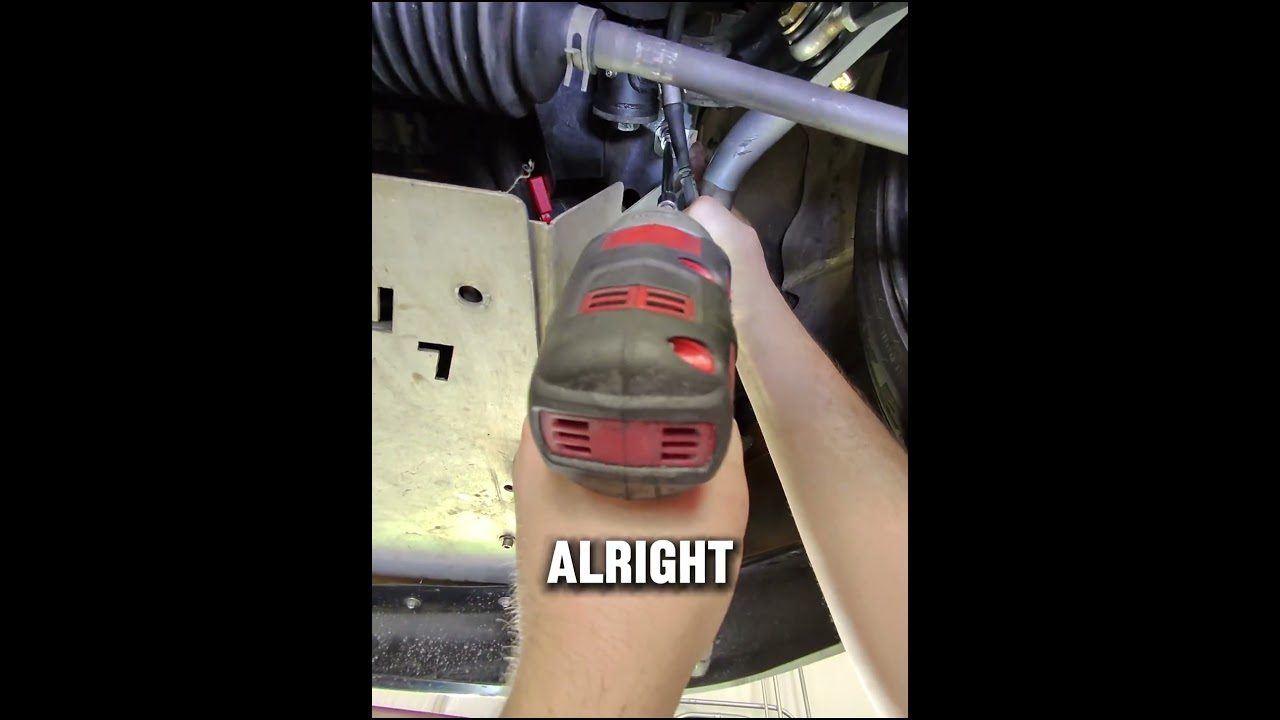
Reddit users have also been discussing the benefits of flat underbodies, particularly when it comes to modifying older cars. In one r/Miata thread, an owner showed off a custom flat floor installed on their car. Other enthusiasts praised the project, suggesting it could improve aerodynamics, reduce cabin noise, and potentially make the car feel more stable through corners.
Another interesting discussion took place in r/electricvehicles, where a VW ID.3 owner asked whether it was safe to drive after an underbody panel broke off. Commenters explained that the panel primarily serves an aerodynamic purpose, meaning its absence could affect efficiency and increase wind noise. They also pointed out that the panel shouldn't be confused with the structural protection of the battery.
In a separate r/aerodynamics discussion, a Jeep Wrangler owner considered installing a flat undertray to improve efficiency. Commenters agreed that smoothing the underside could help airflow, but warned that the Wrangler's tall ride height would limit the potential gains. This illustrates an important point: a flat underbody can help, but its effectiveness depends heavily on the vehicle's overall shape and design.
Why Don't All Cars Have A Completely Flat Bottom?
If a smooth underside offers so many advantages, it might seem strange that automakers don't install one on every vehicle. The reality is that underbody panels add cost, weight, manufacturing complexity, and potential maintenance considerations.
They also have to withstand road debris, water, dirt, heat, and occasional impacts. A panel that's damaged or improperly installed can create noise, drag, or even interfere with nearby components.
Ground clearance is another consideration. SUVs, pickup trucks, and off-road vehicles are often designed to travel over rocks, uneven surfaces, and other obstacles. Their undersides need to accommodate suspension travel, drivetrain components, and protective hardware rather than prioritize perfectly smooth airflow.
What do you think?
View
Comments
Cooling requirements can also complicate matters. Engines, transmissions, brakes, and batteries need appropriate airflow and heat management, so engineers can't simply cover everything without considering ventilation.
The bottom line is that the underside of your car can make a bigger difference than you think even though you might never notice it during your daily commute.
More From Motor101
 As Hybrid Sales Climb, Here's What Drivers Should Know About Their Gas Engines
Cupholders In Cars Weren't Always A Thing
What Is A Solid-State Battery, And Why Is Everyone Talking About It?
Your Car Has A Redline. What Happens If You Exceed It?
We want your opinion!
What would you like to see on Motor1.com?
Take our 3 minute survey.
- The Motor1.com Team
Share this Story
- (https://twitter.com/intent/tweet?url=https%3A%2F%2Fwww.motor1.com%2Ffeatures%2F815836%2Fwhy-some-cars-have-flat-underbody%2F&text=The%20Underside%20Of%20Your%20Car%20Can%20Make%20A%20Big%20Difference%20In%20Performance&via=motor1com)
- copy
GO TO COMMENTS
(
)
Got a tip for us? Email: tips@motor1.com
View all comments ( )
Popular
Scout Still Has Plenty To Prove. But Its Comeback Is Starting To Feel Very Real
2027 Hyundai Elantra Is Bigger, More Powerful, And Gets Up To 53 MPG
Genesis Hints At 'Performance Hybrids' As A Path Forward
This Modern Lancia Stratos Rendering Is Everything We Want
New Elantra N When? Hyundai Won't Move Away From Its 'Successful Formula'
Latest Stories
- The Underside Of Your Car Can Make A Big Difference In Performance Nov 19 - Motor101 -
- Why Do Electric Cars Even Have Regenerative Braking? Nov 19 - Motor101 -
- New Elantra N When? Hyundai Won't Move Away From Its 'Successful Formula' Nov 19 - Los Angeles Auto Show -
- Genesis Hints At 'Performance Hybrids' As A Path Forward Nov 19 - Los Angeles Auto Show -
- GM Is Quietly Looking For Its Next CEO: Report Nov 19 - Corporate / Financial -
- This Modern Lancia Stratos Rendering Is Everything We Want Nov 19 - Design -
- Germany's Autobahn Has Some Rules That Might Surprise You Nov 19 - Features -
RECOMMENDED FOR YOU
Why Do Electric Cars Even Have Regenerative Braking?
New Elantra N When? Hyundai Won't Move Away From Its 'Successful Formula'
Germany's Autobahn Has Some Rules That Might Surprise You
Genesis Hints At 'Performance Hybrids' As A Path Forward
Cadillac XT6 Is Returning, And It Won't Be An EV. Here's Everything We Know
GM Is Quietly Looking For Its Next CEO: Report
12 Cars That Should Easily Make It To 250,000 Miles