Home
Features
Motor101
How Does A Head-Up Display Actually Work?
Your car projects speed and navigation onto the windshield using clever optics. Here's how the head-up display creates the illusion.

Dan Mihalascu 
By: Dan Mihalascu
Nov 20, at 7:00am ET
Add Motor1.com as a preferred source in Google
- (https://twitter.com/intent/tweet?url=https%3A%2F%2Fwww.motor1.com%2Ffeatures%2F815736%2Fhow-head-up-displays-work%2F&text=How%20Does%20A%20Head-Up%20Display%20Actually%20Work%3F&via=motor1com)
- copy
Share
Comment
A head-up display can make your speed, navigation arrows and warning messages appear to float right in front of you, almost as if they're painted onto the windshield. But there's no transparent television screen hiding in the glass, and the images aren't actually sitting on its surface.
Instead, a clever combination of light, mirrors, lenses and specially designed windshield glass tricks your eyes into seeing information in your line of sight. The virtual image appears to hover beyond the dashboard, letting you check key information without looking down at the instrument cluster. Here's how the system pulls off the trick.
A Tiny Projector Hides Inside The Dashboard
The process starts with a component called the picture generation unit, or PGU. It's essentially a miniature display and projection system built into the vehicle, usually behind the dashboard. Depending on the design, it uses an LCD, DLP or another imaging technology to create the information the driver needs to see.
That information might include vehicle speed, the current speed limit, navigation directions, driver-assistance warnings or other alerts. The PGU produces the image, while a series of mirrors and lenses guides and shapes the light before it reaches the windshield.
The optical system is important because simply shining an image onto glass wouldn't create the effect drivers expect. The light has to reach the windshield at a carefully calculated angle and return toward the driver's eyes. The system also needs to make the image appear at a comfortable viewing distance rather than looking like a blurry reflection immediately in front of the glass.
Your Windshield Acts Like A Mirror
Once the image leaves the projector, the windshield does something surprising: It reflects the light back toward the driver. The glass is transparent, so you can still see the road through it, but its surface also reflects a portion of the projected light.
Your eyes interpret that reflected light as an image floating beyond the windshield. This is called a virtual image. The information is not physically displayed several feet ahead of the car; the optics simply make it appear to be there.
That's why a head-up display doesn't need a separate screen sitting in front of the driver. The windshield itself acts as the display's optical combiner, bringing the projected information into the driver's normal field of view.
Special Windshield Glass Keeps The Image Clear
There's a catch: a conventional windshield has two glass surfaces, and light can reflect off both of them. That can produce two slightly separated images instead of one crisp display. The unwanted duplicate is known as a ghost image, and it can make HUD information difficult to read.
Automakers address this with specially designed windshield construction. Many HUD-compatible windshields use a wedge-shaped plastic interlayer between the glass panes. The carefully controlled angle helps bring the two reflections closer together, reducing the distracting double-image effect.
This is also why replacing a windshield on a vehicle equipped with a factory HUD is not always as simple as fitting any windshield of the correct size. The replacement glass needs to be compatible with the display system's optical requirements.
The Image Has To Stay In The Right Place
A head-up display also has to account for the fact that drivers don't all sit in exactly the same position. Their height, seat adjustment and distance from the windshield can change where the projected image appears.
To deal with this, HUD systems are designed around a viewing area often called the eyebox. As long as the driver's eyes remain within that area, the information should stay visible. Depending on the vehicle, drivers may be able to adjust several settings:
- Display height: Moves the projected information up or down to suit the driver's seating position.
- Brightness: Makes the image easier to see in changing light conditions, from bright sunshine to nighttime driving.
- Image position: Allows drivers to fine-tune where the information appears within their field of view.
Automatic brightness adjustment also helps the display remain readable without becoming unnecessarily distracting. The goal is to keep important information visible while allowing the driver to concentrate on the road.
What Drivers Say About Their Head-Up Displays
Reddit discussions show that the technology doesn't always work as seamlessly as it looks. In one r/cars discussion, a Toyota Camry owner complained that the HUD appeared doubled and required refocusing their eyes to read it. Other drivers said they appreciated being able to check their speed without looking down.
Windshield quality is another recurring complaint. In an r/Ioniq6 discussion, an owner reported that the HUD became blurry after a windshield replacement. A separate r/KiaEV6 thread describes similar problems, including double images that changed depending on the driver's head position.
Drivers have also raised concerns about polarized sunglasses. In an r/cars discussion, contributors described how polarized lenses could make a HUD image difficult to see, although experiences varied. These examples highlight how the windshield, viewing position, display design and even sunglasses can affect what the driver sees.
Augmented Reality HUDs Take The Idea Further
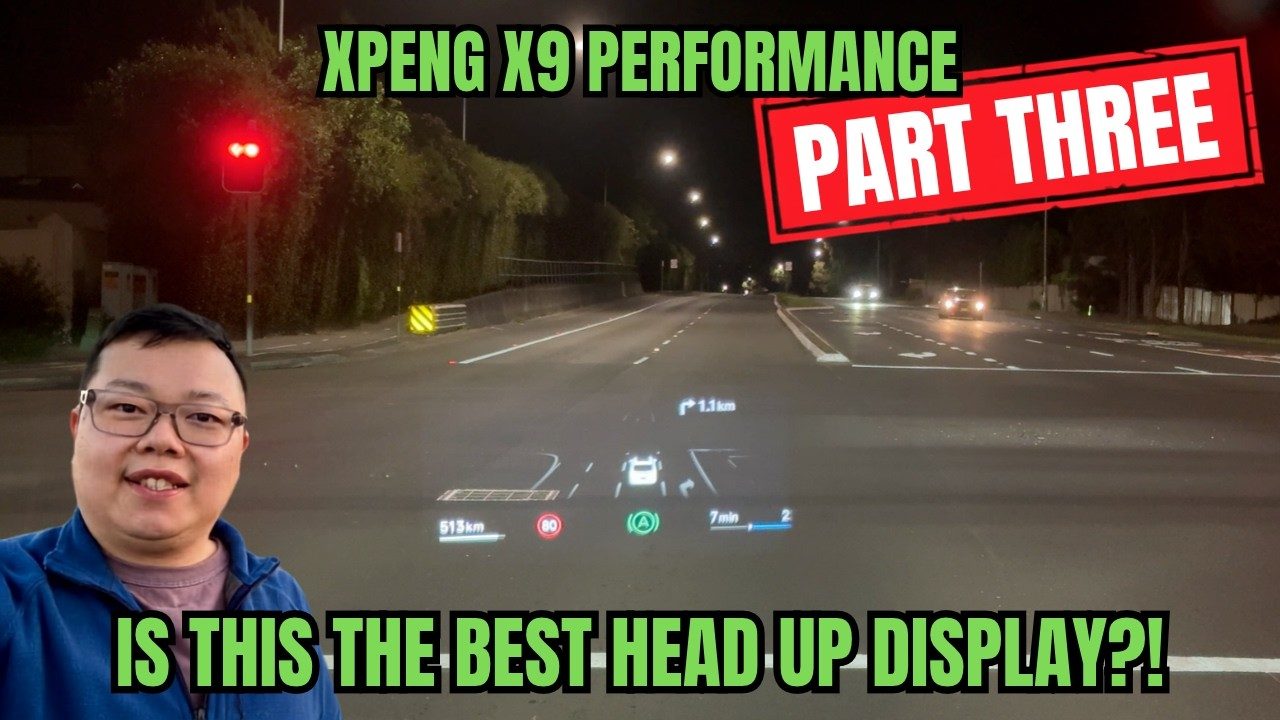
Traditional head-up displays generally place information in a fixed area of the driver's view. More advanced augmented-reality HUDs take things a step further by making graphics appear to line up with real-world objects and locations.
For example, navigation arrows might appear to follow the road ahead, while a warning graphic could highlight a vehicle or potential hazard. The system uses vehicle sensors, cameras and navigation data to determine where graphics should appear, then combines that information with the driver's view.
What do you think?
View
Comments
Making those graphics appear correctly positioned is a major engineering challenge. The system has to account for the driver's viewpoint, the vehicle's movement and the distance to objects ahead. It also needs to avoid covering important parts of the road scene.
The basic trick, however, remains the same: Generate an image, guide its light through carefully designed optics, and reflect it toward the driver's eyes. What looks like information printed on the windshield is really a carefully engineered optical illusion.
More From Motor101
 What Is A Solid-State Battery, And Why Is Everyone Talking About It?
Your Car Has A Redline. What Happens If You Exceed It?
There's A Reason Your Car Door Doesn't Close Properly Anymore
Diesel Engines Make More Torque Than Ever, And It's Not An Accident
We want your opinion!
What would you like to see on Motor1.com?
Take our 3 minute survey.
- The Motor1.com Team
Share this Story
- (https://twitter.com/intent/tweet?url=https%3A%2F%2Fwww.motor1.com%2Ffeatures%2F815736%2Fhow-head-up-displays-work%2F&text=How%20Does%20A%20Head-Up%20Display%20Actually%20Work%3F&via=motor1com)
- copy
GO TO COMMENTS
(
)
Got a tip for us? Email: tips@motor1.com
View all comments ( )
Popular
Scout Still Has Plenty To Prove. But Its Comeback Is Starting To Feel Very Real
The VW ID. Polo GTI Clubsport Is A Racy Electric Hot Hatch Concept With 362 HP
2027 VW Golf GTI Rabbit Edition Hops Into The US As A Retro Special
This Modern Lancia Stratos Rendering Is Everything We Want
New Elantra N When? Hyundai Won't Move Away From Its 'Successful Formula'
Latest Stories
- How Does A Head-Up Display Actually Work? Nov 20 - Motor101 -
- The VW ID. Polo GTI Clubsport Is A Racy Electric Hot Hatch Concept With 362 HP Nov 20 - Concept Cars -
- Chip Foose Rebuilds Fire-Destroyed 1955 Chevy With LS3 V8 And Custom Styling Nov 20 - Aftermarket / Tuning -
- This Jaguar XJ220 Won At Le Mans. Now You Can Drive It On Public Roads Nov 20 - For Sale -
- Genesis Is Exploring A Road Legal X Skorpio With 1,100 Horsepower Nov 20 - Official -
- BMW Has A $1.7 Billion Argument For Lower US Import Tariffs Nov 20 - Corporate / Financial -
- Volkswagen ID. Buzz Beach Turns Electric Van Into A Camper, Sleeps Two Off The Grid Nov 20 - Green -
RECOMMENDED FOR YOU
The Underside Of Your Car Can Make A Big Difference In Performance
The VW ID. Polo GTI Clubsport Is A Racy Electric Hot Hatch Concept With 362 HP
Why Do Electric Cars Even Have Regenerative Braking?
Chip Foose Rebuilds Fire-Destroyed 1955 Chevy With LS3 V8 And Custom Styling
Germany's Autobahn Has Some Rules That Might Surprise You
This Jaguar XJ220 Won At Le Mans. Now You Can Drive It On Public Roads
Running Out Of Gas Once Probably Won't Hurt Your Car. Making It A Habit Might