Home
Features
Motor101
You Can Own A Kei Car In The US. But You Might Not Be Able To Drive It
The tiny size and cult following aren't enough to win over some regulators, who say kei cars may be too dangerous for American roads.
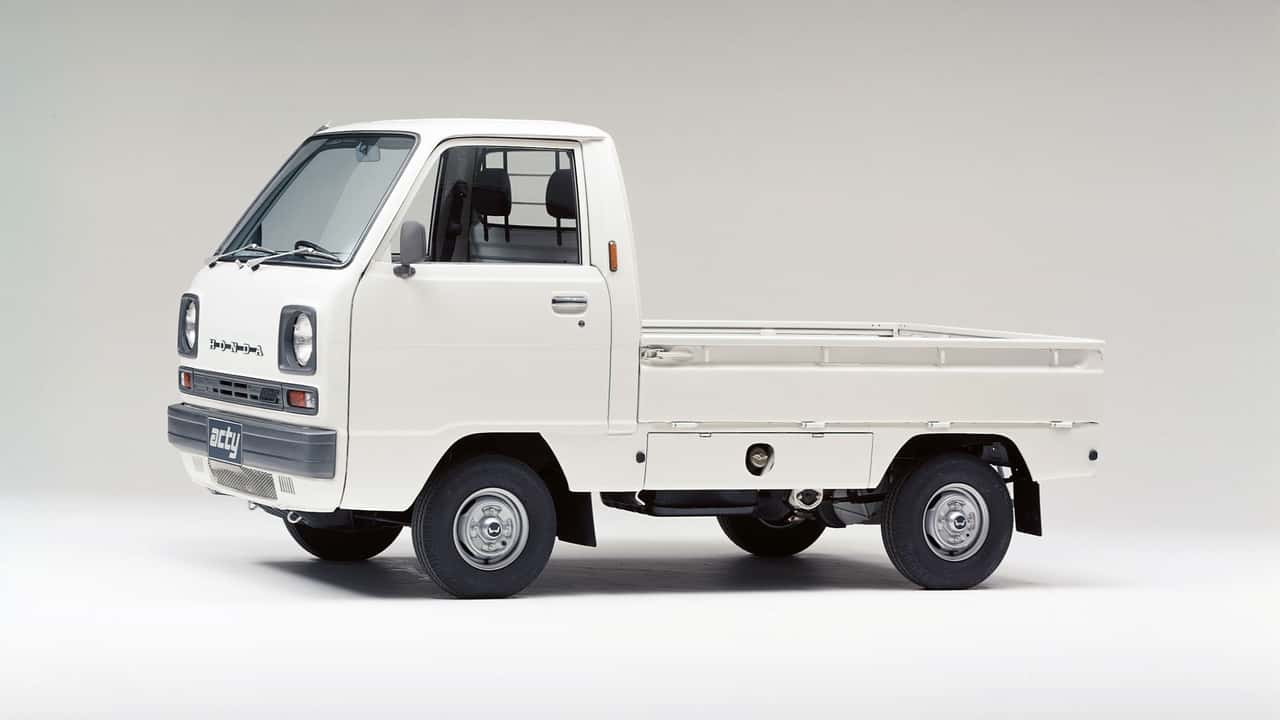
Photo by: Honda
Dan Mihalascu 
By: Dan Mihalascu
Nov 13, at 10:00am ET
Add Motor1.com as a preferred source in Google
- (https://twitter.com/intent/tweet?url=https%3A%2F%2Fwww.motor1.com%2Ffeatures%2F815397%2Fwhy-you-cant-drive-old-kei-cars-in-some-us-states%2F&text=You%20Can%20Own%20A%20Kei%20Car%20In%20The%20US.%20But%20You%20Might%20Not%20Be%20Able%20To%20Drive%20It&via=motor1com)
- copy
Share
Comment
Importing a tiny Japanese kei car into the United States seems like a relatively straightforward process. Find one that's at least 25 years old, get it through customs, and enjoy one of the most charming little vehicles on the road. There's just one problem: Your state might not let you drive it.
Despite federal rules allowing qualifying older vehicles to bypass certain U.S. safety requirements, individual states have the final say over registration. That means a kei truck or quirky Japanese city car can be perfectly legal to import but impossible to register for public-road use. And as more states crack down on these pint-sized imports, owning one in America is becoming increasingly complicated.
The 25-Year Import Rule Doesn't Guarantee Road Legality
The confusion comes from the difference between federal import regulations and state vehicle registration laws. The National Highway Traffic Safety Administration (NHTSA) allows vehicles at least 25 years old to enter the country without meeting applicable Federal Motor Vehicle Safety Standards (FMVSS). The exemption is calculated from the vehicle's manufacturing date, not its model year.
However, the federal government doesn't require individual states to register every imported vehicle for road use. States can establish their own registration requirements, meaning an imported Honda Acty or Suzuki Carry might clear U.S. Customs but still be denied license plates. That's the biggest hurdle for kei car enthusiasts.
Why Are Some States Restricting Kei Cars?
Safety is one of the biggest arguments behind the restrictions. Kei vehicles are built to meet Japan's regulations, which allow smaller dimensions, lighter construction, and engines generally limited to 660cc. While these characteristics make them practical in crowded Japanese cities, American regulators have raised concerns about how they perform in collisions with larger vehicles.
Georgia's Department of Revenue, for example, argues that kei vehicles lack the crash protection necessary for American roads. Its policy specifically prohibits their titling and registration, even if they were previously registered in another state.
Maine has also examined the issue. A 2026 working group report concluded that kei mini trucks should continue to be treated as off-road vehicles, citing concerns about passenger safety and their inability to meet applicable federal safety standards.
Which States Restrict Kei Car Registration?
The rules vary considerably depending on where an owner lives. Some states prohibit registration altogether, while others allow certain kei vehicles to operate under specific conditions.
A few notable examples include:
- Georgia: Prohibits the titling and registration of Japanese kei vehicles and mini trucks for public-road use.
- New York: Generally refuses registration unless owners can demonstrate compliance with applicable federal safety and emissions standards, something that is particularly difficult for older Japanese imports.
- Maine: Treats kei mini trucks as off-road vehicles, generally prohibiting their operation on public roads.
- Rhode Island: Prohibits new kei car and kei truck registrations, while grandfathering qualifying vehicles registered before June 1, 2024. Existing eligible vehicles are restricted to roads posted at 35 mph or less, with limited crossing exceptions.
These examples illustrate why buyers need to research their state's rules before importing a vehicle. The situation is also evolving, with some states reconsidering their restrictions and introducing legislation to make kei vehicles easier to register.
Not All Kei Vehicles Face The Same Restrictions
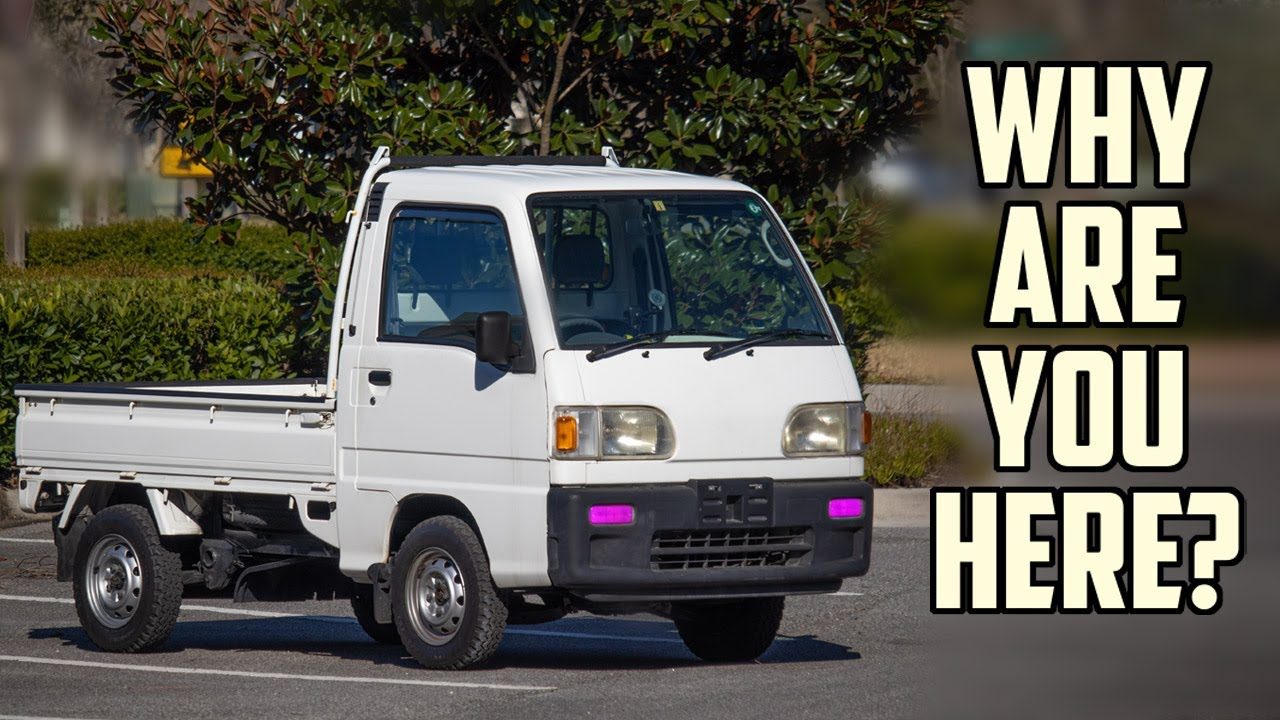
Another important detail is that kei cars and kei trucks aren't necessarily treated identically under state law. The term kei refers to a Japanese vehicle category that includes passenger cars, vans, sports cars, and small commercial trucks.
Some restrictions specifically target mini trucks, while others cover the entire kei vehicle category. This distinction matters because a state that prohibits a Suzuki Carry pickup might have different registration requirements for a Honda Beat sports car or a Mazda Autozam AZ-1.
New York is a particularly interesting example because its restrictions extend beyond kei trucks to kei passenger cars. A June 2026 report by the Times Union highlighted the case of a Mazda Autozam AZ-1, explaining that even though the car could legally be imported under federal age exemptions, registering it in New York remained a problem.
Toyota Is Bringing A New Kei Truck To America, But There's A Catch
The debate over Japanese kei vehicles in the United States could soon get more interesting. Toyota has announced plans to bring a brand-new kei-style truck to America under its revived Scion brand, potentially giving buyers a way to get one without importing an older Japanese model.
Called the Scion KEI-01, the tiny pickup is scheduled to arrive in the second half of 2027. It will be assembled at Toyota's Indiana manufacturing plant and feature a 660cc three-cylinder engine, a continuously variable transmission, and standard four-wheel drive. Measuring just over 11 feet long and less than five feet wide, it's designed to deliver the practicality of a traditional Japanese kei truck for American customers.
However, there's a catch. Toyota plans to initially sell the KEI-01 through a limited fleet-focused pilot program, targeting businesses, farmers, municipalities, universities, and other commercial customers. Individual buyers won't necessarily be able to walk into a Toyota dealership and purchase one.
What Do Kei Car Owners Say About The Restrictions?
Reddit discussions show just how frustrating registration restrictions can be for kei car enthusiasts. In a thread on r/keitruck about Georgia's kei truck ban, owners criticized the state's decision to stop registering these vehicles, arguing that their small size shouldn't automatically make them unsafe. Some also questioned why older vehicles with fewer safety features remain road legal.
The restrictions have also created confusion among owners in states such as Maine and Rhode Island. In a discussion on r/Maine, users shared sightings of kei trucks still operating locally, raising questions about whether they were legally registered or simply benefiting from older registrations. Another discussion on r/keitruck explored whether owners with valid out-of-state registrations could legally drive through states that restrict kei vehicles.
For prospective buyers, these discussions reinforce one important point: importing a kei car is only half the battle. Making sure it can legally be registered and driven in your state is just as important.
What Should You Know Before Buying An Imported Kei Car?
The biggest mistake enthusiasts can make is assuming that a vehicle's federal import eligibility automatically makes it street legal in their home state. Before spending thousands of dollars on an imported Japanese vehicle, buyers should contact their state's Department of Motor Vehicles and confirm the exact requirements for titling, registration, and road use.
What do you think?
View
Comments
It's also worth checking whether restrictions apply to all kei vehicles or only certain categories, such as mini trucks. Some states have introduced special classifications, speed restrictions, or agricultural-use provisions that could affect how an imported vehicle can be driven.
Ultimately, kei cars remain an appealing alternative to increasingly large and expensive American vehicles. They're compact, economical, and often packed with personality. However, until state regulations become more consistent, owning one in the United States can involve considerably more paperwork than enthusiasts might expect.
More From Motor101
 The Worst Car Communism Gave The World: The Trabant
Not All Gas Engines Work The Same. Here's What Makes Them Different
Your Car Has Airbags In Places You Probably Didn't Even Know
This Gearbox Blurs The Line Between Manual And Automatic
We want your opinion!
What would you like to see on Motor1.com?
Take our 3 minute survey.
- The Motor1.com Team
Share this Story
- (https://twitter.com/intent/tweet?url=https%3A%2F%2Fwww.motor1.com%2Ffeatures%2F815397%2Fwhy-you-cant-drive-old-kei-cars-in-some-us-states%2F&text=You%20Can%20Own%20A%20Kei%20Car%20In%20The%20US.%20But%20You%20Might%20Not%20Be%20Able%20To%20Drive%20It&via=motor1com)
- copy
GO TO COMMENTS
(
)
Got a tip for us? Email: tips@motor1.com
View all comments ( )
Popular
Honda Secretly Showed Dealers Its Future Models, Including The Element. Here's What They Said
Audi Tells Us Why The Nuvolari Costs $300,000 More Than Temerario
Meet The Sanrivatti One: The Hypercar You Ride Rather Than Drive
Scout Has 212,000 Reservations. Here's What Those Drivers Own
Toyota's Cheaper Sports Car Is Reportedly Back On The Menu
Latest Stories
- You Can Own A Kei Car In The US. But You Might Not Be Able To Drive It Nov 13 - Motor101 -
- Audi Tells Us Why The Nuvolari Costs $300,000 More Than Temerario Nov 13 - Supercars -
- Jeep Is Auctioning A One-Of-A-Kind 705-HP Wrangler Nov 13 - For Sale -
- Meet The Sanrivatti One: The Hypercar You Ride Rather Than Drive Nov 13 - Supercars -
- Germany Restricts BYD, Nio And Geely Cars At Military Sites Over Security Concerns Nov 13 - Military / Police -
- Aston Martin Teams Up With Star Wars For 50th Anniversary Celebrations Nov 13 - Corporate / Financial -
- Lamborghini Trademarks Two Outlandish Names, Hinting At Its Next Supercars Nov 13 - Patents & Trademarks -
RECOMMENDED FOR YOU
Not All Gas Engines Work The Same. Here's What Makes Them Different
Audi Tells Us Why The Nuvolari Costs $300,000 More Than Temerario
The Worst Car Communism Gave The World: The Trabant
Jeep Is Auctioning A One-Of-A-Kind 705-HP Wrangler
This Gearbox Blurs The Line Between Manual And Automatic
Meet The Sanrivatti One: The Hypercar You Ride Rather Than Drive
Your Car Has Airbags In Places You Probably Didn't Even Know