Home
Features
Motor101
That Rough Texture Along Your Car's Lower Door Panels Is There For A Reason
That strange, sandpaper-like finish isn't a manufacturing mistake. It could be protecting your car from stones, rust, and road debris.
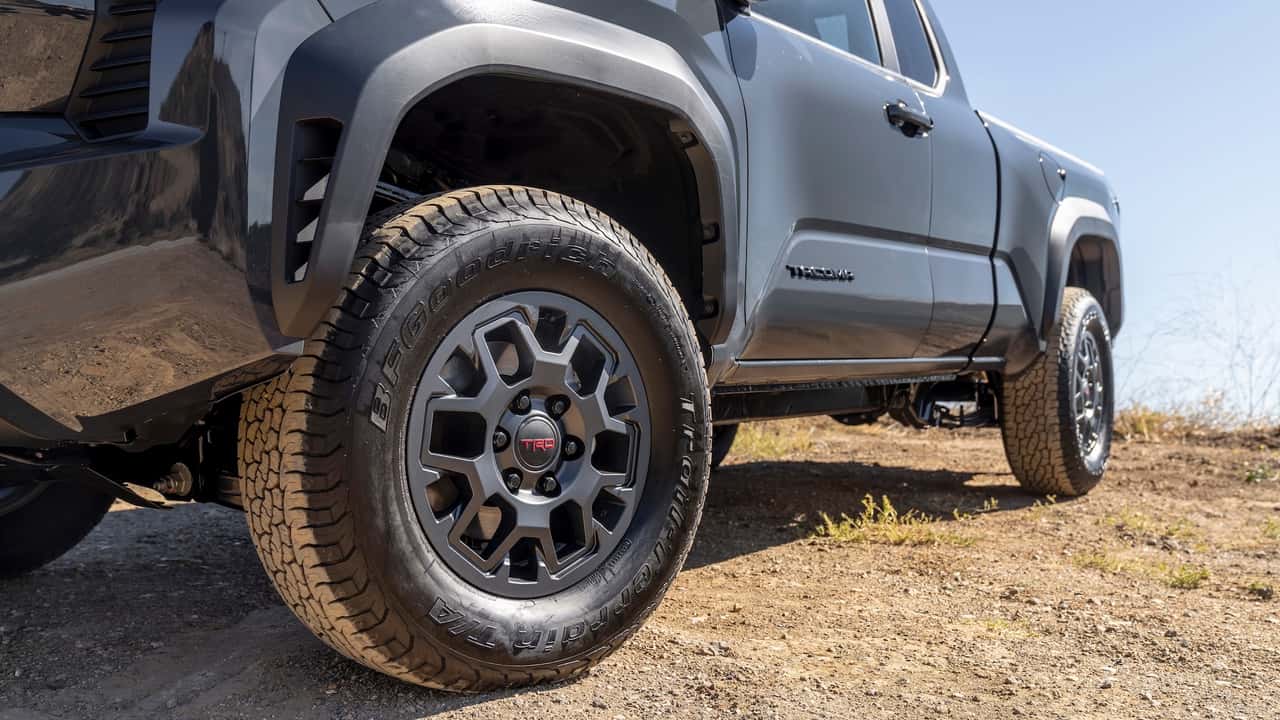
Photo by: Toyota
Dan Mihalascu 
By: Dan Mihalascu
Nov 14, at 5:00pm ET
Add Motor1.com as a preferred source in Google
- (https://twitter.com/intent/tweet?url=https%3A%2F%2Fwww.motor1.com%2Ffeatures%2F815217%2Fwhy-car-rocker-panels-feel-rough-uneven%2F&text=That%20Rough%20Texture%20Along%20Your%20Car%27s%20Lower%20Door%20Panels%20Is%20There%20For%20A%20Reason&via=motor1com)
- copy
Share
Comment
Have you ever run your fingers along the lower part of your car's rocker panels and noticed that it feels rough, uneven, or almost unfinished? If so, you're not alone. It's one of those small automotive details that many drivers eventually notice, particularly when cleaning their vehicles, but few stop to think about why it's there. After all, shouldn't something as important as a car's bodywork be perfectly smooth?
Surprisingly, that slightly rough surface is often completely intentional. It is not necessarily a sign of poor manufacturing, damage, or a problem with your vehicle. In many cases, what you're feeling is a protective coating applied during production to help prevent corrosion, reduce stone-chip damage, and protect one of the areas most exposed to water, dirt, and road debris.
It's Often A Protective Coating, Not A Manufacturing Defect
The lower portion of a car's door frame and the surrounding rocker panels are exposed to some of the harshest conditions a vehicle encounters. Water, road salt, mud, gravel, and small stones constantly hit these areas, particularly when driving in wet weather or on poorly maintained roads.
To protect the metal underneath, manufacturers frequently apply specialized protective coatings. These materials can create a slightly textured surface that feels noticeably different from the smooth paint found on the upper sections of the vehicle.
Depending on the manufacturer and model, this coating may be applied beneath the paint, over a primer layer, or as part of a textured finish. Its purpose is functional rather than decorative. In other words, that imperfect-looking surface may actually be doing an important job, as 3M points out in one of its products' presentation.
Stone Chips And Road Debris Are The Main Enemies
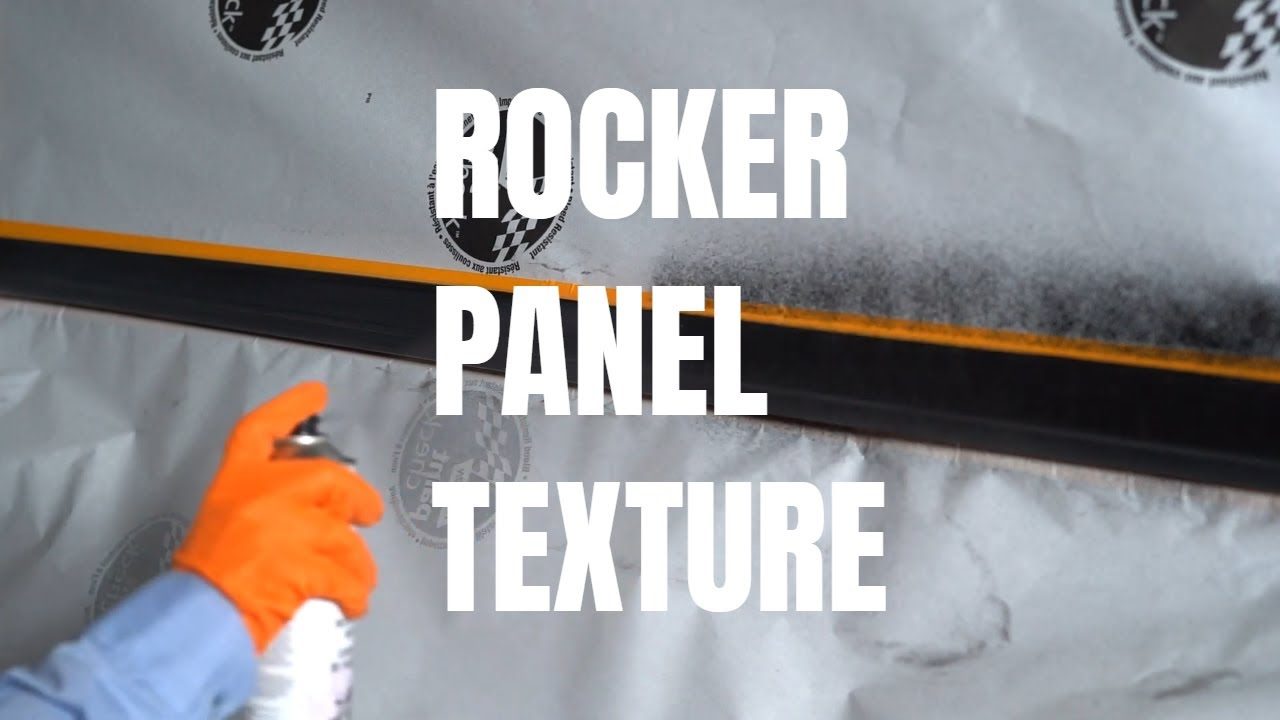
One of the biggest reasons manufacturers use textured coatings is to protect vulnerable body panels from stone chips.
The lower door sections and rocker panels are particularly exposed because they're close to the road. Small stones thrown up by the tires can strike these surfaces with surprising force, gradually damaging the paint and exposing the underlying metal.
Once that protective paint layer is compromised, moisture and road salt can accelerate corrosion. Specialized stone-chip protection helps absorb and distribute some of these impacts, reducing the likelihood of damage. Many coatings also provide additional resistance against moisture and everyday road contamination.
This is particularly important in regions where winter road salt is commonly used, as corrosion can become a serious long-term problem.
Why Doesn't The Upper Part Of Your Car Door Feel The Same?
If you've noticed that the upper part of your car door feels perfectly smooth while the lower section has a rougher texture, there's a good reason for the difference.
Automotive manufacturers don't necessarily use the same surface treatment across every part of the body. Different areas have different exposure levels and protection requirements.
The upper door panels are generally less exposed to direct stone impacts, while the lower sections face constant contact with road debris and water. As a result, manufacturers may use different materials and finishing techniques depending on the location.
Some vehicles feature a textured protective coating along the lower body, while others use additional plastic cladding or protective films. The appearance and texture can vary considerably between brands, models, and production years.
When Should You Actually Be Worried?
Although a rough or uneven finish can be completely normal, it's important to distinguish factory-applied protection from damage. A consistent texture across both sides of the vehicle is generally less concerning than an area that suddenly looks different from the surrounding surface.
There are several warning signs worth paying attention to:
- Bubbling paint: This can indicate corrosion developing underneath the finish.
- Flaking or peeling: Protective coatings or paint may be separating from the underlying surface.
- Visible rust: Particularly around seams, drain openings, and the bottom edges of doors.
- Cracks or exposed metal: These can leave the bodywork vulnerable to moisture and corrosion.
- Sudden texture changes: An isolated rough patch could indicate previous repairs or damage.
If you notice any of these symptoms, it's worth having the affected area inspected by a bodywork specialist. Catching corrosion early can prevent much more expensive repairs later.
Drivers Have Noticed The Same Strange Texture
Reddit users have raised almost exactly the same question, with several car owners wondering whether the rough finish beneath their doors is a manufacturing defect. In one discussion on r/carproblems, the owner of a nearly new 2025 vehicle noticed an unusual texture beneath the side doors. Other users explained that it was factory-applied stone-chip protection, not damage or dirt.
A similar conversation on r/Autobody revealed that textured underbody coatings are common across different vehicles, helping protect vulnerable surfaces from corrosion and road debris. However, another discussion on r/Cartalk highlighted an important distinction: aftermarket protective coatings can sometimes hide previous repairs or rust.
The takeaway? A rough finish is not automatically something to worry about. However, bubbling, peeling, or rust-colored marks deserve closer inspection. Knowing the difference between factory protection and deteriorating bodywork can save drivers unnecessary concern and potentially expensive repairs.
A Small Detail That Plays A Big Role In Protecting Your Car
It's easy to overlook details like textured door-frame coatings, especially when modern cars are designed to look increasingly sleek and seamless. But automotive engineering is not always about making everything look perfect. Sometimes, the most important features are the ones drivers barely notice.
What do you think?
View
Comments
That slightly rough surface along the lower part of your car's door frame is often there because manufacturers know exactly how much punishment these areas take. From flying gravel to winter road salt, the lower bodywork needs additional protection to maintain its condition over years of use.
So, the next time you notice that uneven texture while washing your car, don't automatically assume something is wrong. It could simply be a factory-applied protective layer doing precisely what it was designed to do. And in this case, a surface that feels a little rough might actually be helping your car stay in better shape.
More From Motor101
 This Gearbox Blurs The Line Between Manual And Automatic
The Worst Car Communism Gave The World: The Trabant
Paint Protection Film Costs Thousands. Is It Actually Worth It?
Your Car Has Airbags In Places You Probably Didn't Even Know
We want your opinion!
What would you like to see on Motor1.com?
Take our 3 minute survey.
- The Motor1.com Team
Share this Story
- (https://twitter.com/intent/tweet?url=https%3A%2F%2Fwww.motor1.com%2Ffeatures%2F815217%2Fwhy-car-rocker-panels-feel-rough-uneven%2F&text=That%20Rough%20Texture%20Along%20Your%20Car%27s%20Lower%20Door%20Panels%20Is%20There%20For%20A%20Reason&via=motor1com)
- copy
GO TO COMMENTS
(
)
Got a tip for us? Email: tips@motor1.com
View all comments ( )
Popular
Toyota's Cheaper Sports Car Is Reportedly Back On The Menu
Ford Showed Us Its Secret Car Vault Filled With Hundreds Of Hidden Gems
BMW Has 10 New Models Coming In 2027. Here's All Of Them
The 25-Year Car Import Rule Can Be Complicated. Here's How It Works
Audi Tells Us Why The Nuvolari Costs $300,000 More Than Temerario
Latest Stories
- That Rough Texture Along Your Car's Lower Door Panels Is There For A Reason Nov 14 - Motor101 -
- Are You Wasting Money Buying Original Parts For Your Car? Nov 14 - Motor101 -
- This Corvette Owner Bought A Brand-New C8. Then He Lost $37,000 After Just 570 Miles Nov 14 - Sales -
- Before Putting Your Child In The Front Seat, There's Something You Need To Know Nov 14 - Motor101 -
- Ford Showed Us Its Secret Car Vault Filled With Hundreds Of Hidden Gems Nov 14 - Lifestyle -
- Remember The Fire-Damaged Corvette Z06? Now It Actually Runs Nov 14 - Aftermarket / Tuning -
- You Can't Drive Cars In These 5 Places Across America Nov 14 - Motor101 -
RECOMMENDED FOR YOU
Are You Wasting Money Buying Original Parts For Your Car?
This Corvette Owner Bought A Brand-New C8. Then He Lost $37,000 After Just 570 Miles
Before Putting Your Child In The Front Seat, There's Something You Need To Know
Ford Showed Us Its Secret Car Vault Filled With Hundreds Of Hidden Gems
You Can't Drive Cars In These 5 Places Across America
Remember The Fire-Damaged Corvette Z06? Now It Actually Runs
The 25-Year Car Import Rule Can Be Complicated. Here's How It Works