Home
Features
Motor101
Why Your Car's Windows Fog Up Even When It's Not Raining
Your windshield can fog up even on a sunny day. Here's what's causing it and how to clear it fast.

Dan Mihalascu 
By: Dan Mihalascu
Nov 15, at 3:00pm ET
Add Motor1.com as a preferred source in Google
- (https://twitter.com/intent/tweet?url=https%3A%2F%2Fwww.motor1.com%2Ffeatures%2F814937%2Fwhy-car-windows-fog-up-when-not-raining%2F&text=Why%20Your%20Car%27s%20Windows%20Fog%20Up%20Even%20When%20It%27s%20Not%20Raining&via=motor1com)
- copy
Share
Comment
Your car's windows don't need rain, snow, or even particularly cold weather to fog up. Sometimes, you can get behind the wheel on a perfectly dry morning, start the engine, and watch the windshield turn cloudy within seconds. It can happen in summer or winter, while the car is parked or moving, and even when there's no obvious source of moisture outside.
The reason is usually hiding in the air inside your cabin. Fog forms when warm, moisture-filled air meets glass that's cool enough for water vapor to condense into tiny droplets. Your breath, damp clothing, wet floor mats, and the car's ventilation settings can all contribute. Understanding what's happening can help you clear the glass faster, improve visibility, and spot problems that may be making the fogging worse.
It's All About Temperature And Humidity
Window fogging is a form of condensation. Air contains water vapor, even when the weather looks completely dry. When that moist air comes into contact with glass that's colder than its dew point, some of the vapor turns into tiny liquid droplets. Those droplets scatter light, creating the cloudy layer drivers see.
This is why fogging often happens first thing in the morning. The car's windows cool down overnight, while the air inside warms up quickly when someone gets in and starts breathing. The more moisture in the cabin, the easier it is for condensation to form. The same basic process explains why a cold drink develops water droplets on its outside on a warm day.
Your Car's Interior Could Be Holding More Water Than You Think
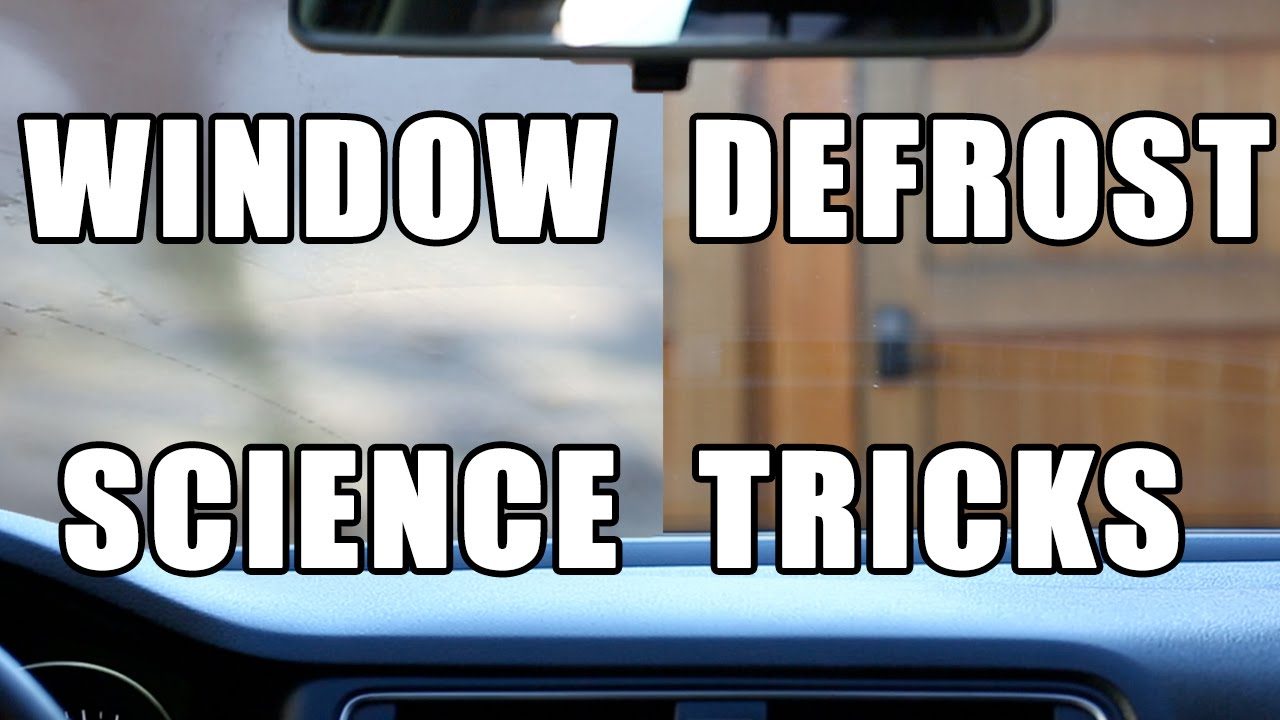
You don't need a leak or a rainy day to introduce moisture into a vehicle. Everyday activities can gradually raise humidity inside the cabin, particularly when the windows remain closed. Every passenger releases moisture simply by breathing, which is why a car full of people can fog up faster than one with just the driver. Wet shoes, damp jackets, umbrellas, and footwear can also bring water into the cabin.
Floor mats and carpets are another common source, as TÜV Nord explains. They can trap moisture and slowly release it into the air, even after the visible water has disappeared. Water leaks caused by damaged door seals, blocked drainage channels, or poorly sealed windshields can make the problem worse by allowing moisture to collect inside the vehicle.
Even damp gym bags, towels, pet blankets, and other wet items can contribute to cabin humidity. This also explains why some cars seem to fog up repeatedly, even after the windshield has been cleaned. The glass may be clear, but the source of the moisture is still inside the vehicle.
Fog Can Appear On The Outside, Too
Not every foggy windshield is misting up from the cabin. In hot, humid weather, the opposite can happen: air conditioning cools the glass, and warm, moisture-filled air outside the car condenses on its exterior surface.
It's a familiar sight when the air conditioning is running on a hot day. If the fog disappears when you use the windshield wipers, it's likely on the outside. If wiping the exterior does nothing, check the inside surface instead.
The distinction matters because the solutions are different. Interior fog generally calls for drier air and better ventilation, while exterior condensation may clear when the glass is warmed slightly or the cabin temperature is adjusted.
The Defroster Is Doing More Than Blowing Hot Air
The windshield defroster is designed to manage both temperature and moisture. In many modern cars, selecting the front defrost setting automatically directs air toward the glass, increases fan speed, activates the air conditioning, and switches to fresh-air intake.
The air conditioning is particularly important because it removes moisture from the air passing through the system. That means it can help clear fog even when you're using warm air in winter. The heater warms the glass and surrounding air, while the A/C helps dry the cabin air. For a quick fix, try these settings:
- Select the front windshield defrost mode.
- Turn the fan up and set the temperature to warm.
- Switch on the A/C if the vehicle allows it.
- Turn off air recirculation so the system can bring in fresh air.
- Keep the airflow directed at the windshield until visibility is restored.
The exact controls vary by vehicle, so it's worth checking the owner's manual. Chevrolet and Quebec's road-safety authority both recommend using the A/C as part of the defogging process.
Drivers Say Persistent Window Fogging Can Be More Than Just Condensation
Drivers on Reddit have shared plenty of frustrating experiences with windows fogging up, even when it's not raining. In one discussion on r/driving, users explained that warm, moist cabin air meeting cold glass is the usual culprit. Their practical advice included switching to defrost, turning on the A/C, and avoiding recirculation mode.
Other discussions suggest that recurring fogging can sometimes point to a mechanical problem. In a r/MechanicAdvice thread, drivers described persistent windshield fog and a greasy film on the glass. Some suspected a leaking heater core, while others recommended checking for trapped moisture, cleaning the windshield thoroughly, and inspecting the ventilation system.
A separate r/Cartalk discussion described a car that developed heavy interior condensation and a musty smell, even before the driver opened the doors. That kind of experience is a reminder that repeated fogging shouldn't automatically be dismissed as normal: damp carpets, water leaks, or blocked drainage can keep humidity trapped inside a vehicle.
When Foggy Windows Could Signal A Bigger Problem
Occasional condensation is normal, but windows that fog up constantly or take unusually long to clear may point to an underlying issue. A cabin that repeatedly feels damp deserves a closer look, especially if the carpets are wet or there's a persistent musty smell.
A blocked drain, damaged weather seal, or water leak can allow moisture to build up where it shouldn't. A dirty cabin air filter can also restrict airflow through the ventilation system, making it harder for the defroster to clear the glass effectively.
What do you think?
View
Comments
There are other warning signs worth taking seriously. A sweet smell inside the cabin, an oily film on the inside of the windshield, or unexplained coolant loss could indicate a leaking heater core. That's a mechanical issue rather than ordinary condensation, and it should be checked by a professional.
Keeping the inside of the glass clean also helps. Dust, fingerprints, and residue can make condensation more noticeable and harder to wipe away. Most importantly, never drive off with a windshield or side windows so fogged up that you can't see clearly. Pull over somewhere safe if visibility becomes compromised.
More From Motor101
 No, Premium Gas Doesn't Automatically Make Your Car Faster
Why Some Automatics Have More Gears Than Others
Your Brakes Don't Always Need A Mechanical Connection
Why America Is Obsessed With Building Giant Roadside Attractions
We want your opinion!
What would you like to see on Motor1.com?
Take our 3 minute survey.
- The Motor1.com Team
Share this Story
- (https://twitter.com/intent/tweet?url=https%3A%2F%2Fwww.motor1.com%2Ffeatures%2F814937%2Fwhy-car-windows-fog-up-when-not-raining%2F&text=Why%20Your%20Car%27s%20Windows%20Fog%20Up%20Even%20When%20It%27s%20Not%20Raining&via=motor1com)
- copy
GO TO COMMENTS
(
)
Got a tip for us? Email: tips@motor1.com
View all comments ( )
Popular
Toyota's Cheaper Sports Car Is Reportedly Back On The Menu
Ford Showed Us Its Secret Car Vault Filled With Hundreds Of Hidden Gems
BMW Has 10 New Models Coming In 2027. Here's All Of Them
The 25-Year Car Import Rule Can Be Complicated. Here's How It Works
Audi Tells Us Why The Nuvolari Costs $300,000 More Than Temerario
Latest Stories
- Why Your Car's Windows Fog Up Even When It's Not Raining Nov 15 - Motor101 -
- You Can Buy One Of The Most Entertaining Hot Hatches For Around $10,000 Nov 15 - Why Buy? -
- The Car That Changed It All Nov 15 - Motor101 -
- Tens Of Thousands Of Dollars Later, This Overengineered Jet Turbine Keeps Dust Out Of Truck Beds Nov 15 - Weird -
- How Can A Car Have A Salvage Title But No Accident? Nov 15 - Motor101 -
- That Rough Texture Along Your Car's Lower Door Panels Is There For A Reason Nov 14 - Motor101 -
- Are You Wasting Money Buying Original Parts For Your Car? Nov 14 - Motor101 -
RECOMMENDED FOR YOU
The Car That Changed It All
You Can Buy One Of The Most Entertaining Hot Hatches For Around $10,000
How Can A Car Have A Salvage Title But No Accident?
Tens Of Thousands Of Dollars Later, This Overengineered Jet Turbine Keeps Dust Out Of Truck Beds
That Rough Texture Along Your Car's Lower Door Panels Is There For A Reason
This Corvette Owner Bought A Brand-New C8. Then He Lost $37,000 After Just 570 Miles
Are You Wasting Money Buying Original Parts For Your Car?