Home
Features
Motor101
Yes, Your Car Needs Software Updates. Even After You Buy It
Modern cars get software updates just like smartphones, but these fixes can do much more than add features. Here's why they matter.

Dan Mihalascu 
By: Dan Mihalascu
Oct 26, at 5:00pm ET
Add Motor1.com as a preferred source in Google
- (https://twitter.com/intent/tweet?url=https%3A%2F%2Fwww.motor1.com%2Ffeatures%2F813236%2Fwhy-modern-cars-need-software-updates%2F&text=Yes%2C%20Your%20Car%20Needs%20Software%20Updates.%20Even%20After%20You%20Buy%20It&via=motor1com)
- copy
Share
Comment
Modern cars are more like smartphones on wheels than ever before. From infotainment screens and navigation to engine management and driver-assistance systems, software controls a growing number of functions. And just like your phone, your car needs updates to fix bugs, improve performance, and sometimes unlock new features.
But why does a vehicle need software updates after it has already left the factory? The answer goes beyond adding new features. Updates can address security vulnerabilities, resolve technical problems, and improve how certain systems work. However, unlike a phone update, a car software change can affect systems that are critical to safety.
Your Car Is Basically A Computer On Wheels
Modern vehicles rely on dozens of electronic control units (ECUs) that manage everything from engine operation and transmission behavior to airbags, climate control, and driver-assistance systems. Many newer models also feature sophisticated infotainment platforms, internet connectivity, and smartphone integration.
All those systems depend on software, and software can have bugs. An update allows automakers to correct problems without necessarily replacing physical components. It can also help different systems work together more reliably as technology evolves.
The process is similar to updating a smartphone's operating system, but there's an important distinction: a car's software can influence how the vehicle behaves on the road. Automakers must account for that additional safety responsibility when developing and testing updates.
According to Bosch, software updates allow manufacturers to improve vehicle functions throughout a car's life cycle, even after it has left the factory. That matters as vehicles become increasingly dependent on connected technology.
Software Updates Can Fix Problems And Add Features
Not every update transforms a car into something dramatically different. Many are designed to address small bugs, improve reliability, or resolve compatibility issues with connected devices. Others can make more noticeable changes. Depending on the vehicle, an update might improve navigation, refine battery management in an electric car, adjust driver-assistance functionality, or introduce new infotainment features.
Software updates can also play a role in safety recalls. If a manufacturer identifies a problem that can be corrected through software, an update may provide a fix without requiring a technician to replace a component. Whether that approach is appropriate depends on the specific defect and the manufacturer's repair instructions. Here are some of the main reasons automakers release updates:
- Bug fixes: Correct software errors that cause glitches, warning messages, or unreliable features.
- Security improvements: Address vulnerabilities that could expose connected vehicle systems to cyberattacks.
- Performance refinements: Adjust certain software-controlled functions, including eligible powertrain or battery-management features.
- New features: Add functionality or improve existing infotainment, navigation, and connectivity services.
- Recall repairs: Correct certain defects through software rather than a physical repair, when approved and appropriate.
Volkswagen, for example, says its over-the-air updates can deliver functionality improvements, security enhancements, and fixes for connectivity problems. The available changes depend on the particular vehicle and update.
What Exactly Is An Over-The-Air Update?
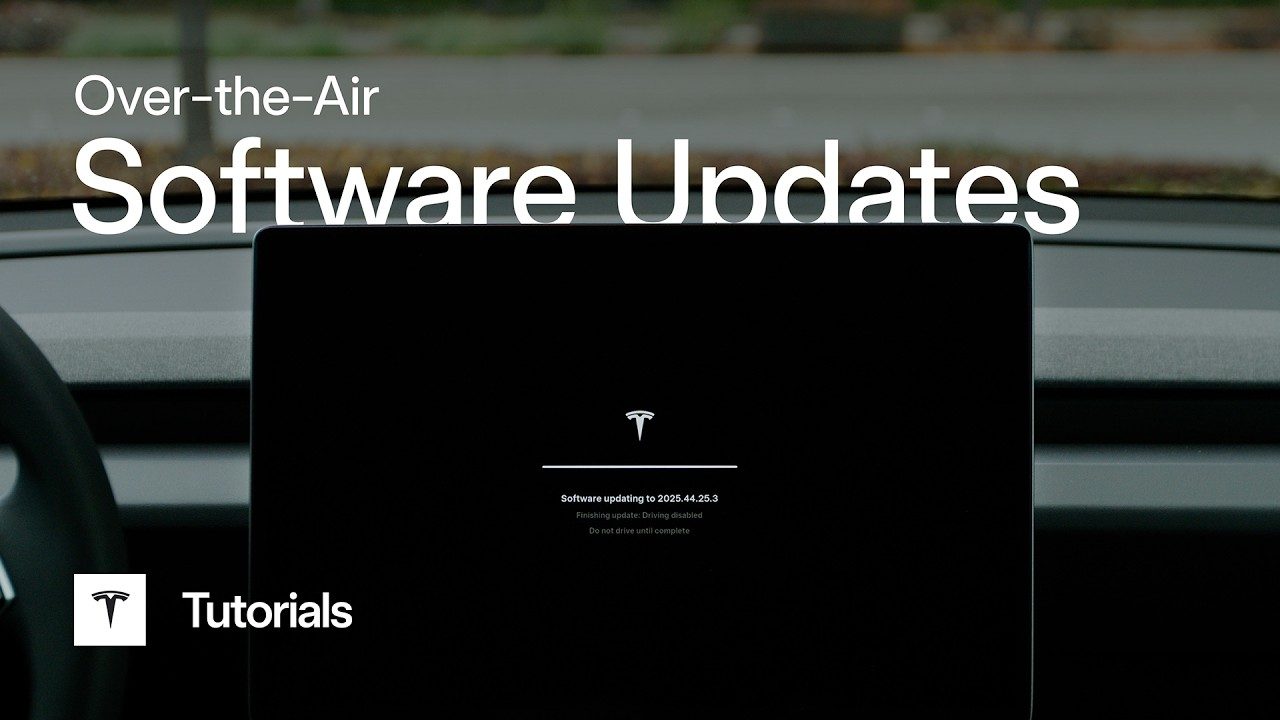
An over-the-air (OTA) update lets a compatible vehicle receive software wirelessly, usually through a built-in cellular connection or Wi-Fi. Instead of visiting a dealership for every software change, the owner can download and install eligible updates while the car is parked.
The manufacturer typically makes the update available to compatible vehicles, and the car notifies the driver when it is ready. Depending on the system, downloading and installing the update may be separate steps. However, not every car can update every system wirelessly.
Some vehicles support OTA updates only for infotainment and navigation, while others can update a wider range of electronic systems. Certain repairs still require a dealership visit, diagnostic equipment, or physical replacement parts. The technology also is not new to every automaker. Tesla has made software updates a prominent part of its ownership experience, while other manufacturers have gradually expanded their own OTA capabilities.
For drivers, the biggest benefit is convenience. A software problem that once required a service appointment may now be fixable remotely. For manufacturers, OTA technology can also help deliver fixes across a fleet more quickly.
Are Car Software Updates Safe?
Generally, automakers design software updates with safety in mind, but updating a vehicle is more complicated than installing a new app on your phone. Vehicle software can affect systems that influence how a car operates, so manufacturers must ensure updates are compatible with the vehicle's hardware and are properly tested before release.
Cybersecurity is another important consideration. The National Highway Traffic Safety Administration (NHTSA) has highlighted the need to protect automotive software updates against tampering and malicious code. While updates can fix security vulnerabilities, the systems used to deliver and install them must also be secure.
For drivers, the safest approach is to follow the manufacturer's instructions and read the update notes before installation. Some vehicles must be parked throughout the process, while others may require a sufficiently charged battery or a connection to a charger. Updates can also take time, during which certain vehicle functions may be unavailable, so it's best to install them when the car is not needed.
Drivers should never interrupt an update unless the manufacturer specifically instructs them to do so. If an installation fails, warning lights appear, or the vehicle behaves differently afterward, consult the owner's manual or contact an authorized service center. It's also important to remember that a software update does not replace physical repairs or routine maintenance.
Ultimately, car software updates are an important part of keeping modern vehicles secure and functioning as intended. When installed according to the manufacturer's guidance, they can resolve problems and improve certain systems without requiring a trip to the dealership. However, any update involving safety-critical functions should be treated with appropriate care.
Drivers Say Car Software Updates Can Be A Mixed Bag
Reddit users have questioned why traditional automakers still struggle to deliver seamless over-the-air updates compared with Tesla. In a discussion on r/electricvehicles, commenters pointed to the complexity of coordinating software across multiple suppliers and vehicle systems.
Another concern is the wait for promised improvements. In a separate discussion, Volkswagen ID.4 owners shared frustrations about software updates and delayed features. Their experiences highlight how software support can shape customer satisfaction long after a car leaves the dealership.
Some owners also worry that updates can introduce bugs or remove familiar features. A third Reddit thread illustrates these concerns, alongside the potential benefits of improved functionality. The overall message: drivers want updates that deliver meaningful improvements without making their cars less reliable.
Will Older Cars Need Updates, Too?
That depends on the car's age, equipment, and software architecture. Older vehicles may still receive software updates through a dealership, even if they lack the connectivity needed for wireless installation. In some cases, a technician can reprogram a control module using specialized diagnostic equipment.
Newer vehicles designed around connected services are generally better equipped to receive OTA updates, but support varies widely by manufacturer and model. Even within the same model lineup, different model years may have different hardware and software capabilities.
What do you think?
View
Comments
It's also worth remembering that software updates cannot fix every problem. Worn brake pads, damaged suspension components, aging tires, and faulty physical sensors still require appropriate inspection and repair. A software patch is not a replacement for routine maintenance.
As vehicles become more software-dependent, updates are likely to remain a bigger part of ownership. They can help keep connected features current, address certain defects, and improve vehicle functionality after purchase.
More From Motor101
 These Defensive Driving Habits Could Save You From A Crash
How Far Can You Really Drive Without Your Key Fob?
The Story Behind Little Trees Is Even Stranger Than You Think
How Do Automatic High Beams Know When To Turn On And Off?
We want your opinion!
What would you like to see on Motor1.com?
Take our 3 minute survey.
- The Motor1.com Team
Share this Story
- (https://twitter.com/intent/tweet?url=https%3A%2F%2Fwww.motor1.com%2Ffeatures%2F813236%2Fwhy-modern-cars-need-software-updates%2F&text=Yes%2C%20Your%20Car%20Needs%20Software%20Updates.%20Even%20After%20You%20Buy%20It&via=motor1com)
- copy
GO TO COMMENTS
(
)
Got a tip for us? Email: tips@motor1.com
View all comments ( )
Popular
The 15 Best Movie Cars of All Time, Ranked
Porsche Is Building 15 One-Offs, Including A $15 Million Car
Bugatti Might Pair Its V16 Engine With A Manual Gearbox
Toyota Is Testing Its New Inline-Four Engine In The GR86
latest articles
- Yes, Your Car Needs Software Updates. Even After You Buy It Oct 26 - Motor101 -
- Alpine's Next Four-Seat Sports Car Is Ditching Retro Styling Oct 26 - Design -
- These Automakers Have The Strangest Headquarters Oct 26 - Motor101 -
- Audi CEO's Trump Rally Appearance Leaves Volkswagen Union Boss 'Ashamed' (Update) Oct 26 - Corporate / Financial -
- The 15 Best Movie Cars of All Time, Ranked Oct 26 - Celebrity / Entertainment -
- 2027 Mazda CX-5 Pricing Stays Put, While The SUV Gains More Technology Oct 26 - Pricing -
- Woman Changes Battery In Honda. Now Her Radio And Backup Camera Don’t Work: ‘That’s Illegal’ Oct 26 - Trending -
RECOMMENDED FOR YOU
These Automakers Have The Strangest Headquarters
Alpine's Next Four-Seat Sports Car Is Ditching Retro Styling
How Far Can You Really Drive Without Your Key Fob?
Audi CEO's Trump Rally Appearance Leaves Volkswagen Union Boss 'Ashamed' (Update)
These Defensive Driving Habits Could Save You From A Crash
The 15 Best Movie Cars of All Time, Ranked
How Do Automatic High Beams Know When To Turn On And Off?