Home
Features
Motor101
Your Car Knows More About Your Driving Than You Think
Modern cars can collect location and driving data, but who can access it? Here's how tracking works and how to protect your privacy.
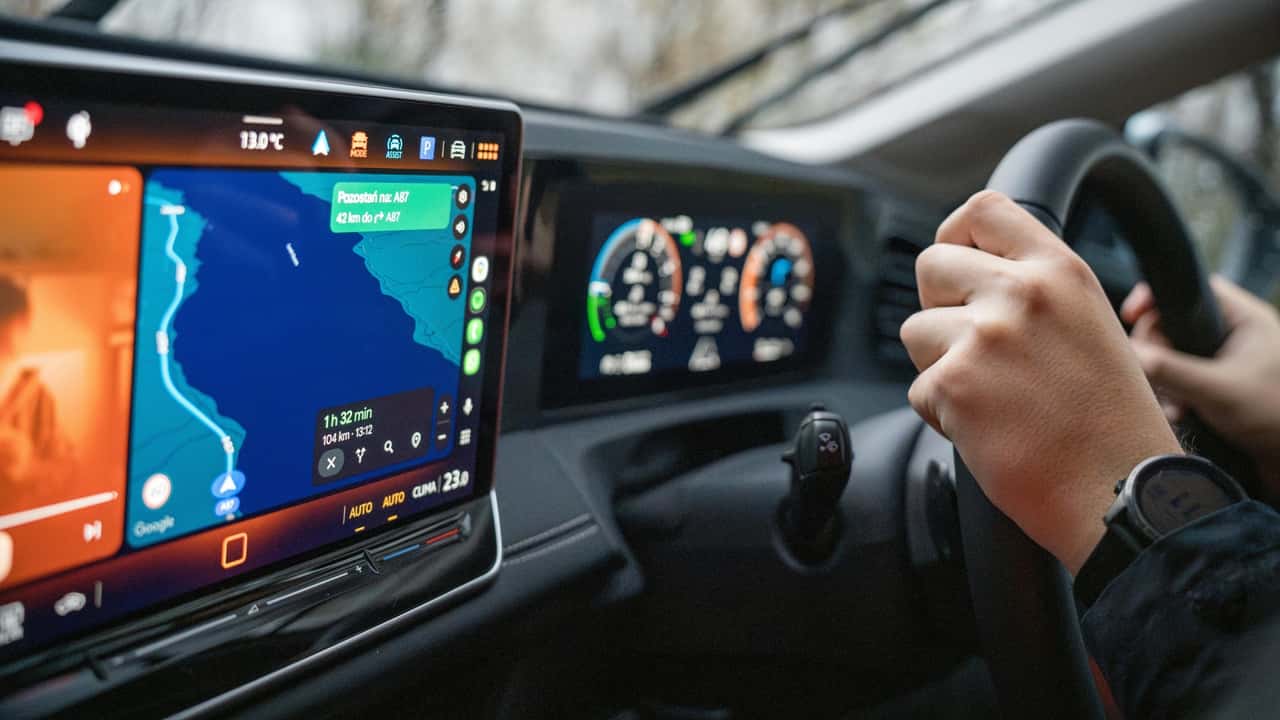
Photo by: Pexels
Dan Mihalascu 
By: Dan Mihalascu
Oct 9, at 11:00am ET
Add Motor1.com as a preferred source in Google
- (https://twitter.com/intent/tweet?url=https%3A%2F%2Fwww.motor1.com%2Ffeatures%2F811274%2Fcan-your-car-track-where-you-drive%2F&text=Your%20Car%20Knows%20More%20About%20Your%20Driving%20Than%20You%20Think&via=motor1com)
- copy
Share
Comment
Modern cars can do far more than get you from one destination to another. With GPS navigation, built-in internet connections, and smartphone apps, some vehicles can record where they travel, how they are driven, and when certain journeys take place. These features can make everyday driving easier, but they also raise questions about how much personal information your car collects.
The bigger concern is what happens to that data once it leaves your vehicle.
Depending on the make, model, and connected services you use, information may be shared with the automaker or third-party service providers. Some data may even be used for purposes beyond navigation and maintenance. So, can your car track where you drive, and what can you do to protect your privacy?
How Does Your Car Know Where You Go?
Many modern vehicles have GPS receivers that determine their location using satellite signals. This technology powers navigation systems, helps calculate routes, and can support features such as stolen-vehicle recovery and emergency assistance.
However, knowing your location doesn't necessarily mean your car records every journey. Some systems process location information locally, while connected vehicles may transmit certain data to the manufacturer through a cellular connection. Whether information is stored, for how long, and who can access it depends on the vehicle and the services enabled.
Manufacturer apps can add another layer of connectivity. Depending on the model, they may let owners locate a parked car, check its status, or remotely lock and unlock the doors. These features can be convenient, but they may also involve collecting or processing location information.
What Information Can Your Car Collect?
Location is only one part of the picture. Connected vehicles can generate a wide range of information, although the exact data collected varies significantly between manufacturers and models. Depending on the systems installed and the services activated, that information may include:
- Location and route data: The vehicle's position, destinations entered into navigation, or records associated with journeys.
- Driving behavior: Information about speed, acceleration, braking, and mileage.
- Vehicle diagnostics: Engine performance, battery condition, fault codes, and maintenance requirements.
- Infotainment information: Certain contacts, call details, or other information associated with connected phones and user profiles.
- Connected-service activity: Data generated when using remote-access features, emergency assistance, or manufacturer apps.
Not all these categories are necessarily collected or transmitted by the same vehicle. Some information may remain stored in the car, while other data may be sent to service providers. Drivers should consult the privacy notice for their specific vehicle to understand what applies to them.
Who Can Access Your Driving Data?
Depending on the service and the applicable privacy rules, vehicle data may be accessible to the manufacturer, connected-service providers, or other authorized parties. Certain information may also be disclosed when legally required.
The issue attracted attention in the United States in 2025, when the Federal Trade Commission announced action against General Motors and OnStar over allegations concerning the collection and sale of precise location and driving-behavior data without adequate disclosure and affirmative consent. In January 2026, the FTC finalized an order requiring stronger consent and privacy protections, including restrictions on sharing covered data with consumer reporting agencies.
The case highlights why drivers should pay attention to the terms of connected-car services. Data collected to provide a feature may have additional uses, depending on the company's policies and the agreements customers accept.
That doesn't mean every manufacturer shares location information in the same way. Data practices differ, and the privacy settings and contractual terms of each service matter.
Could Your Driving Data Affect Your Insurance?
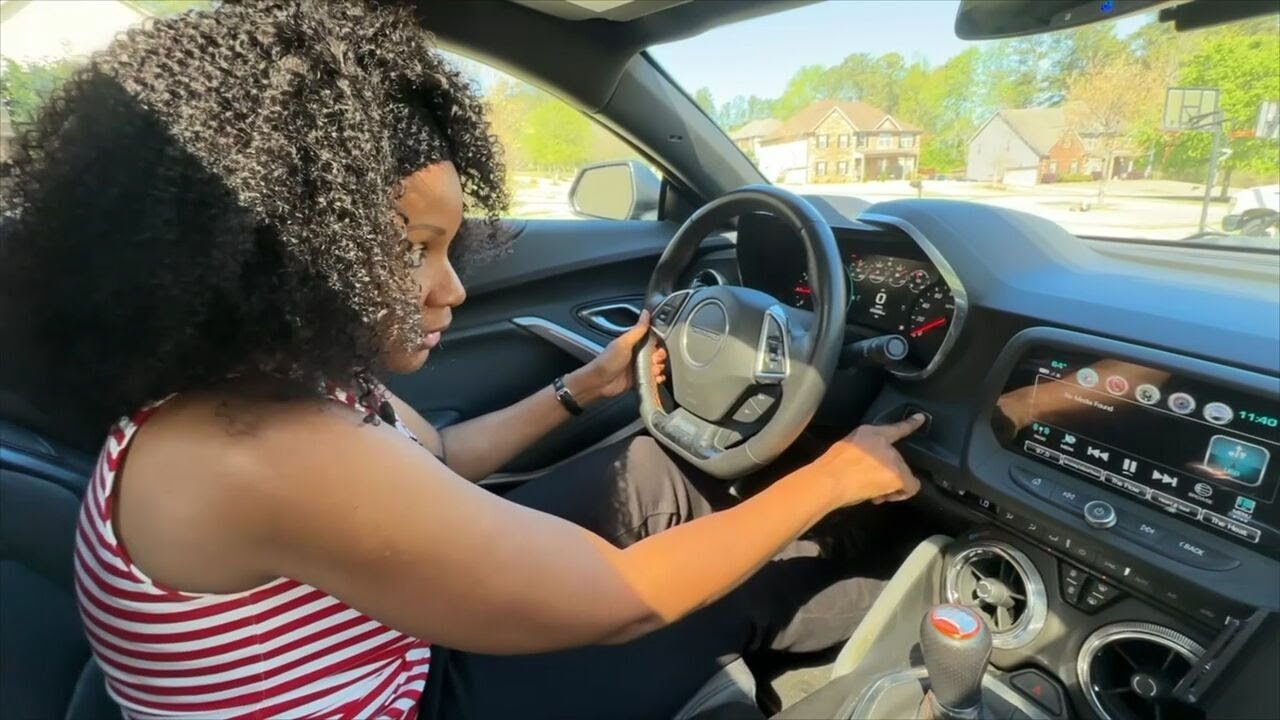
Some insurance companies offer usage-based policies that assess driving habits, mileage, or other risk-related information. Drivers who demonstrate safer behavior may qualify for discounts, depending on the insurer and the program.
Connected-car data can become relevant when information is shared with an insurance provider or a consumer reporting agency. The FTC's case involving GM and OnStar raised concerns about how driving data could be used in insurance-related decisions.
However, owning a connected vehicle doesn't automatically mean your insurer can access its location history or that your premiums will increase. The outcome depends on the data involved, the applicable laws, the insurer's practices, and whether you've enrolled in a telematics program.
Before agreeing to share driving information, check what is collected, how it is evaluated, who receives it, and whether participation is optional. A potential discount may be attractive, but it's worth understanding the privacy trade-offs first.
What Are Drivers Saying About Car Tracking?
Reddit users are increasingly questioning how much information modern vehicles collect and where that data ends up. In a discussion on r/privacy, drivers expressed concerns about location history, driving habits, and whether automakers are transparent enough about their data collection practices.
Insurance is another major concern among drivers. In a thread discussing whether new cars track location, users explored how GPS technology and connected services could monitor vehicle movements. A separate discussion about automakers collecting driver data raised questions about how personal information might be shared with third parties and potentially used beyond its original purpose.
Some Reddit users are also searching for practical ways to limit tracking without sacrificing useful features. In a discussion about avoiding car telematics, drivers considered whether disabling connected services or choosing vehicles with fewer digital features could help protect their privacy. These conversations highlight a growing demand for clearer privacy policies, meaningful opt-out options, and greater control over personal driving data.
How Can You Protect Your Privacy?
You may not be able to prevent every form of data collection, but there are practical steps you can take to understand and limit how your information is used.
Start with your vehicle's infotainment settings and owner's manual. Look for privacy controls, data-sharing preferences, and options relating to connected services. You should also review the permissions granted to the manufacturer's smartphone app and any navigation or driving-score applications you use.
What do you think?
View
Comments
European drivers have additional protections under the General Data Protection Regulation (GDPR). Identifiable location information can qualify as personal data, and individuals may have rights to access their data, request erasure, or object to certain processing, depending on the circumstances. These rights are not absolute, and some data may still be processed where a valid legal basis applies.
If you're concerned about tracking, review which connected features are enabled and what happens when you turn them off. Disabling a service may affect remote access, navigation, or emergency assistance, and switching off location sharing in a phone app may not stop all data collection by the vehicle.
More From Motor101
 What Is Ceramic Coating, And Is It Worth It?
What Actually Makes An SUV An SUV?
Here's Why Your Car Has An Internet Connection
Why Hybrids Get Better MPG In The City
We want your opinion!
What would you like to see on Motor1.com?
Take our 3 minute survey.
- The Motor1.com Team
Share this Story
- (https://twitter.com/intent/tweet?url=https%3A%2F%2Fwww.motor1.com%2Ffeatures%2F811274%2Fcan-your-car-track-where-you-drive%2F&text=Your%20Car%20Knows%20More%20About%20Your%20Driving%20Than%20You%20Think&via=motor1com)
- copy
GO TO COMMENTS
(
)
Got a tip for us? Email: tips@motor1.com
View all comments ( )
Popular
12 Underrated Performance Cars That Nobody Bought
This $41,000 Chevy Corvette C1 Lookalike Is Really A Supersized Miata
2027 Honda Accord Gets Split Headlights With Squinty Eyes, But Only In China
Acura Is Building An 'Adventure-Ready' SUV. Here's Everything We Know
Mazda Exec Claims The Company's Identity No Longer Depends On The Miata
Latest Stories
- German Economist Says Selling Volkswagen To China Wouldn't Be A Bad Idea Nov 27 - Industry -
- Nissan NX7 Debuts In China With 1,035 Miles Of Range And A Low Price Nov 27 - Official -
- BMW Expands Over-The-Air Updates To 16 Million Vehicles Across 88 Countries Nov 27 - Technology -
- The Hyundai Mercury Is A Battery-Swapping EV For China Nov 27 - Official -
- Meet Ford's New Le Mans Fighter: The GT41 Nov 26 - First Look -
- Android Auto Keeps Disconnecting? Here's What Might Be Wrong Nov 26 - Motor101 -
- 2027 Toyota 4Runner Finally Adds Heated Seats, Then Crosses $45,000 Nov 26 - Pricing -
RECOMMENDED FOR YOU
Android Auto Keeps Disconnecting? Here's What Might Be Wrong
Meet Ford's New Le Mans Fighter: The GT41
What Happens To Concept Cars After The Auto Show Is Over? Sadly, Not All Of Them Survive
2027 Toyota 4Runner Finally Adds Heated Seats, Then Crosses $45,000
Volvo Invented The Modern Seatbelt. Then Gave Away The Idea For Free
Porsche Unveils One-Off 911 GT3 Tribute To Its Iconic GT1 Race Car
Why The 24 Hours Of Le Mans Is Exactly 24 Hours Long