Home
Features
Nobody Wants Electric Supercars. But Why?
When so much power is available for relatively cheap, spending seven figures on an electric supercar is a tough proposition.
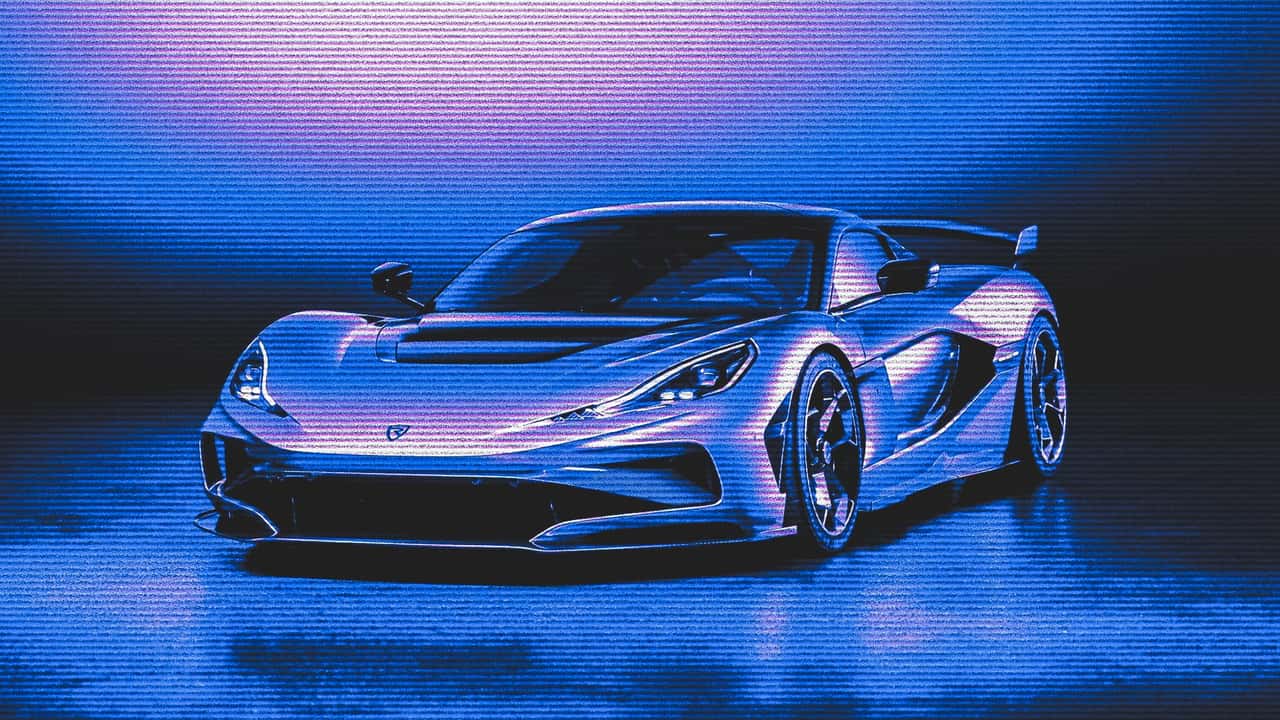
Photo by: Jeff Perez / Motor1
Anthony Alaniz 
By: Anthony Alaniz
Jul 18, 2025 at 12:00pm ET
Add Motor1.com as a preferred source in Google
- (https://twitter.com/intent/tweet?url=https%3A%2F%2Fwww.motor1.com%2Ffeatures%2F766252%2Fnobody-wants-electric-supercars-opinion%2F&text=Nobody%20Wants%20Electric%20Supercars.%20But%20Why%3F&via=motor1com)
- copy
Share
Comment
Electric supercars have a problem—a Hyundai Ioniq 5 N problem. When once-unattainable levels of power and performance are now available for a fraction of the price at your local Hyundai dealership, it begs the question: Why would anyone buy an electric supercar in the first place?
High-end buyers want something special, something other people can't have. But the rise of electrification has democratized one of the supercar's most sought-after traits: power.
If an automaker wants to launch a new electric supercar, it has to at least be as quick as Hyundai's family hatchback. In a world where an electric five-door can hit 60 miles per hour in 3.4 seconds for $68,000, is spending the extra $150,000 for something that's half-a-second quicker really worth it?
Probably not.
For combustion engines, the added cost is at least still worth it. Automakers paywall power and performance behind cylinder counts and forced induction, allowing them to charge consumers obscene amounts of money for the art of incremental performance gains.
But EV powertrains steamroll over that business plan.
One thing that might entice some supercar buyers is a longer-range battery. But even that will be a short-lived desire that disappears as the charging infrastructure grows and battery technology advances. Those are two things that automakers don't directly control in a world where every building with electricity is a potential charging station.
Yes, many EVs have performance restrictions, with automakers limiting top speeds or installing software to protect the battery. But these are limits that could easily increase as the technology advances. And none of the breakthroughs are likely to make EVs slower, more expensive, or not travel as far—quite the opposite.

Rimac Nevera R
Photo by: Rimac
The rise of electrification has democratized one of the supercar's most sought-after traits: power.
Soon, every car will have the capability to be fast, which is something CEOs and automotive executives have taken note of.
Tony Roma, the Corvette's boss, acknowledged that in a recent interview. Roma says that an electric Corvette would need to be "engaging" in new ways since 0-60 times are "meaningless" metrics when it comes to electric vehicles.
And he's not the only one. Rimac founder Mate Rimac told us last year that the company is having a hard time selling its Nevera hypercar. Koenigsegg and Pagani have echoed a similar sentiment, saying that their customers simply don't want a battery-powered hypercar.
It makes sense. Electric vehicles lack the personality that defines what we love so much about combustion-powered cars—the smell, the sound, the feel—things that make each model unique. It's what fuels the passion that many of us have for these machines. But there's no denying that these are just reminders of the powertrain's inefficiencies packaged, marketed, and personified for our lizard brains.
Hyundai Ioniq 5 N
As battery technology advances, we may soon live in a world where the cost of a car isn't determined by how much power you want, but by how far you want to travel. EVs aren't just cars with batteries and electric motors; they represent a fundamental shift in what's possible for the price. For many consumers, that means being able to afford mainstream cars with supercar levels of power, like the Ioniq 5 N.
That car makes 641 horsepower and starts at just under $70,000. If you don't need 221 miles of range, and Hyundai offered a smaller battery, the company would inadvertently create a lighter, faster, cheaper, and fundamentally better-performing hatchback.
What do you think?
View
Comments
That's a value proposition supercar makers (and high-end brands in general) can't sell to buyers who want to be different. As cars embrace technology and software, we'll likely be able to make any car feel, act, and sound like other makes or models through the digitization of the automobile.
Ultimately, if EVs do win out, some supercar makers may not survive the transition.
More on the State of EVs
The Electric Ferrari Isn't Coming This Year
Lamborghini: Now's Not the Time for an Electric Supercar

Get the best news, reviews, columns, and more delivered straight to your inbox, daily.
back
Subscribe For more info, read our Privacy Policy & Terms of Use.
We want your opinion!
What would you like to see on Motor1.com?
Take our 3 minute survey.
- The Motor1.com Team
Share this Story
- (https://twitter.com/intent/tweet?url=https%3A%2F%2Fwww.motor1.com%2Ffeatures%2F766252%2Fnobody-wants-electric-supercars-opinion%2F&text=Nobody%20Wants%20Electric%20Supercars.%20But%20Why%3F&via=motor1com)
- copy
GO TO COMMENTS
(
)
Got a tip for us? Email: tips@motor1.com
View all comments ( )
Popular
BYD Better Watch Out: Koenigsegg Is Still Chasing A 330-MPH Jesko Run
BYD's Boxy SUV Banned In The EU After Land Rover Defender Copycat Ruling
Honda Teases Future Hybrids, Details All-New Modular Platform
Audi Has 7 New Models Coming In 2027. Here's All Of Them
Latest Stories
- Rare Ferrari 499P Modificata Rear-Ends Schumacher-Era F1 Car Nov 23 - Crashes / Wrecks -
- These 22 States Don't Require Front License Plates Nov 23 - Motor101 -
- Audi Drivers Can Now Manage Emails And Teams Meetings Using AI Nov 23 - Technology -
- Mechanics Were Asked About Buying Used Jeeps. They Have Strong Opinions Nov 23 - Buying Tips -
- First Chinese Car In Germany's Biggest Reliability Study Finishes Near The Bottom Nov 23 - Industry -
- McLaren Delivers First W1 Hyperacr, And It's Very Green Nov 23 - Supercars -
- Honda And Toyota Recall 1.6 Million Vehicles Over Takata Airbag Risk Nov 23 - Recalls -
RECOMMENDED FOR YOU
Turo Now Lets You Rent A Tesla With Full Self-Driving
Rare Ferrari 499P Modificata Rear-Ends Schumacher-Era F1 Car
Hyundai Sonata Dead In Australia, But America Still Wants Sedans
These 22 States Don't Require Front License Plates
Hyundai's Supercar Dream Is (Probably) Dead
Audi Drivers Can Now Manage Emails And Teams Meetings Using AI
New Elantra N When? Hyundai Won't Move Away From Its 'Successful Formula'